L’Evaluation du Programme Pays vise ainsi à renforcer la responsabilité de l’UNFPA en ce qui concerne la pertinence et la performance du Programme et à élargir la base de connaissances pour la conception du prochain cycle de programmation.
Evaluation Finale du 8ème Programme de Pays du UNFPA Mauritanie 2018–2022
Document date: 2022
Evaluation type: Country
Region: West & Central Africa
Country: Mauritania
Joint evaluation: n/a
System-wide evaluation: n/a
Evaluation documents
Evaluation Report

Additional resources
UNFPA Tunisia 10th Country Programme Evaluation (2021-2025)
Document date: 2025
Evaluation type: Country
Region: Arab States
Country: Tunisia
Joint evaluation: n/a
System-wide evaluation: n/a
L’évaluation vise à fournir une appréciation indépendante de la performance du programme en matière de pertinence, cohérence, efficacité, efficience et durabilité. L’objectif général de cette évaluation est de fournir une analyse indépendante, crédible et utile de la performance du CPD.
Evaluation documents
Evaluation Report
Additional resources
UNFPA Eswatini 7th Country Programme Evaluation (2021-2025)
Document date: 2025
Evaluation type: Country
Region: East & Southern Africa
Country: Eswatini
Joint evaluation: n/a
System-wide evaluation: n/a
The evaluation assesses the relevance, coherence, effectiveness, efficiency, and sustainability of UNFPA work in Eswatini. The evaluation aims to inform the design of the next country programme cycle in order to promote access to quality integrated sexual and reproductive health information and services, empower young people, prevent and respond to GBV and provide accurate data for evidence-based policy, planning and programming.
Evaluation documents
Evaluation Report
Evaluation Quality Assessment
Additional resources
Job description
1
About UNFPA
We promote gender equality and empower women, girls and young people to take control of their bodies and their futures.
Learn more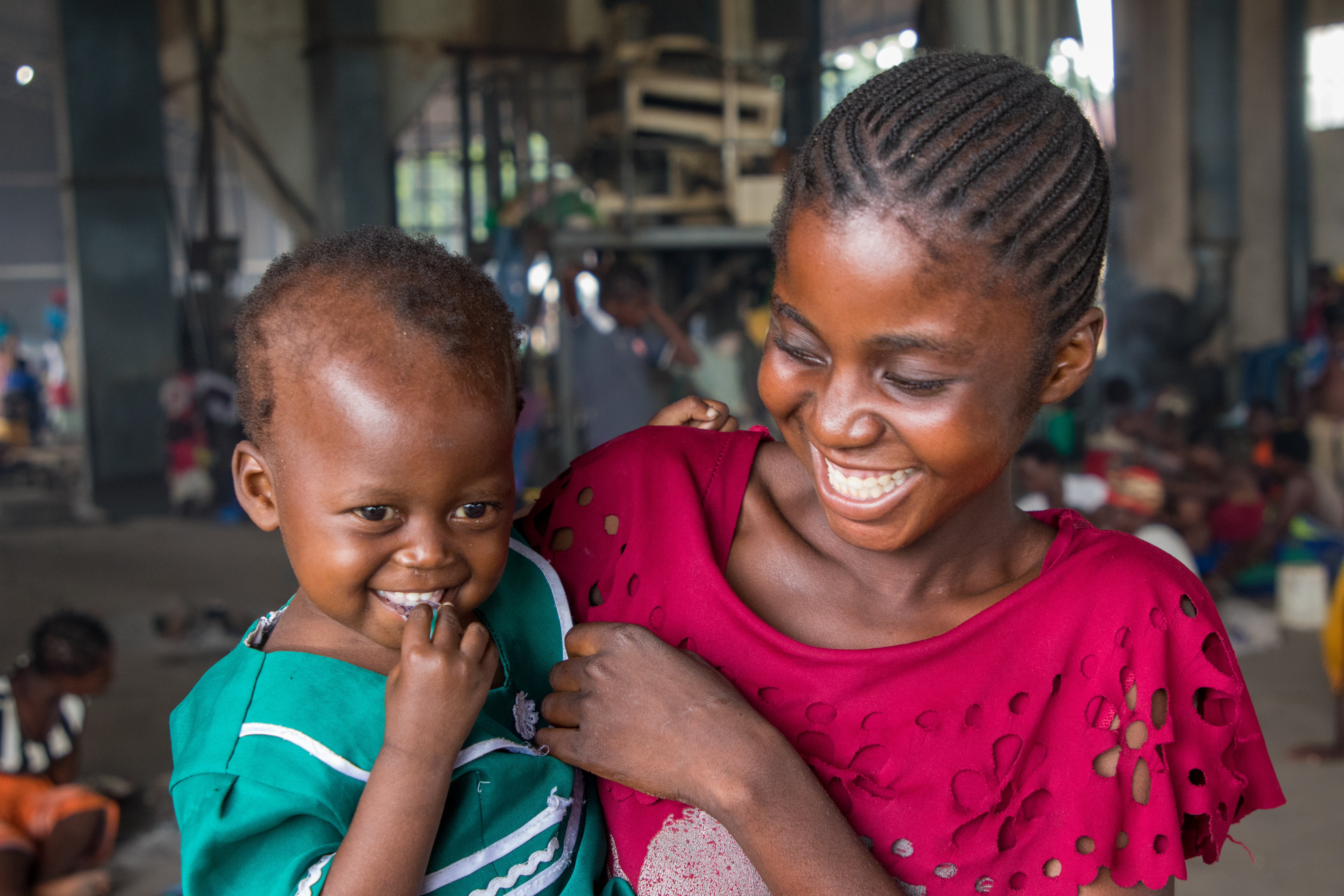
Related jobs
UNFPA Turkiye Independent Country Programme Evaluation (2011-2015)
Document date: 2014
Evaluation type: Country
Region: Eastern Europe & Central Asia
Country: Türkiye
Joint evaluation: n/a
System-wide evaluation: n/a
This evaluation aims to provide an independent assessment of the relevance and performance of UNFPA work in Turkiye and provide a set of clear and forward-looking options leading to strategic and actionable recommendations for the next programming cycle.
Evaluation documents
Evaluation Report
Executive Summary
Evaluation Quality Assessment
Management Response
Additional resources
Revue Approfondie du 6è Programme Pays UNFPA Gabon (2012-2017)
Document date: 2016
Evaluation type: Country
Region: West & Central Africa
Country: Gabon
Joint evaluation: n/a
System-wide evaluation: n/a
The evaluation assesses UNFPA 's work in Gabon to support evidence-based decision-making to broaden the evidence base for designing the next country programme.
Evaluation documents
Evaluation Report
UNFPA Bosnia and Herzegovina 3rd Country Programme Evaluation (2021-2025)
Document date: 2025
Evaluation type: Country
Region: Eastern Europe & Central Asia
Country: Bosnia and Herzegovina
Joint evaluation: n/a
System-wide evaluation: n/a
The evaluation assesses the relevance, coherence, effectiveness, efficiency, and sustainability of UNFPA work in Bosnia and Herzegovina to support evidence-based decision-making to inform development, humanitarian response and peace-responsive programming and to empower community, country and regional stakeholders.
Evaluation documents
Evaluation Report
Evaluation Quality Assessment
UNFPA Malaysia First Country Programme Evaluation (2022-2025)
Document date: 2025
Evaluation type: Country
Region: Asia & the Pacific
Country: Malaysia
Joint evaluation: n/a
System-wide evaluation: n/a
The evaluation covers the programmatic areas of sexual and reproductive health and rights, adolescents and youth, population and development, and gender equality and women’s empowerment in UNFPA's work in Malaysia. The evaluation draws key lessons from past and current cooperation while providing actionable recommendations for the next programming cycle.
Evaluation documents
Evaluation Report
Evaluation Quality Assessment
Additional resources
UNFPA Argentina Informe de Evaluación del Primer Programa País (2022 - 2025)
Document date: 2024
Evaluation type: Country
Region: Latin America & the Caribbean
Country: Argentina
Joint evaluation: n/a
System-wide evaluation: n/a
El principal propósito de la Evaluación del Programa de País (CPE) es proporcionar a la Oficina del UNFPA en Argentina, a los actores nacionales, a los titulares de derechos, a la Oficina Regional para América Latina y el Caribe (LACRO), a la sede del UNFPA y a un público más amplio, una valoración independiente del desempeño del programa, así como identificar buenas prácticas y oportunidades que alimenten el aprendizaje y la mejora continua de la programación.
Evaluation documents
Evaluation Report
Management Response
Evaluation Quality Assessment
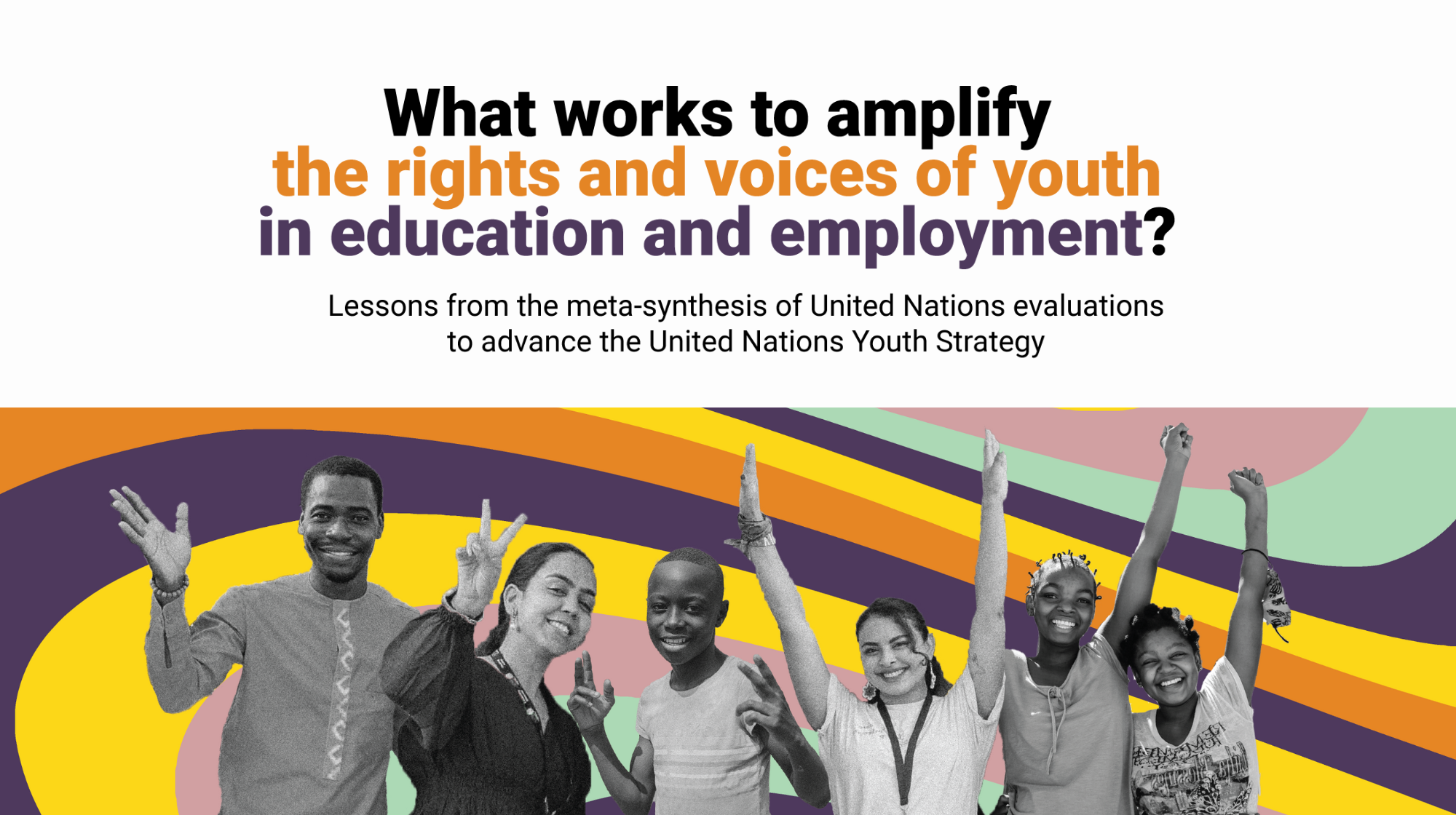
What works to amplify the rights and voices of youth in education and employment?
Document date: 2025
Evaluation type: Global
Region: n/a
Joint evaluation: n/a
System-wide evaluation: Yes
Drawing on about 300 United Nations evaluations and employing a responsible AI-enabled methodology, this evidence synthesis report provides validated lessons on what works and what doesn't in advancing youth education and employment programmes. These lessons directly contribute to the implementation of the United Nations Youth Strategy 2030.
The lessons emphasize the need for targeted interventions and tailored approaches for specific disadvantaged youth groups, the importance of cross-sector collaboration and holistic approaches to enhance youth employability and personal development, the necessity of tailoring educational programmes to local and cultural realities, and the value of a balanced approach combining direct youth support and upstream strategies for long-term success. By applying these lessons to programme design, budget allocation and advocacy, programmers and decision-makers can ensure young people are better prepared for the future of work and learning.
The report is a result of an inter-agency knowledge collaboration, co-led by the UNFPA Independent Evaluation Office and UNICEF Evaluation Office, along with the EvalYouth Global Network, Generation Unlimited, Global Partnership for Education Youth Leaders, ILO, IOM, OHCHR, UNDP, UNESCO, and the United Nations Youth Office. The report was officially launched at a Youth ECOSOC Forum side event on 15 April 2025.
This is the third report, part of a series of four meta-synthesis exercises on lessons learned in the implementation of the United Nations Youth Strategy. The first synthesis focused on ‘What works to amplify the rights and voices of youth?’ by exploring youth participation and youth and human rights. The second synthesis focused on ‘What works to amplify the rights and voices of youth in peace and resilience building?’. Together this evidence package aims at strengthening the United Nations effectiveness on youth programming globally.
Evaluation documents
Meta-synthesis Report
Lessons Summary
Meta-synthesis Presentation