
Occupied Palestinian Territory
Across the Occupied Palestinian Territory, millions of people are suffering the consequences of more than two years of conflict. This comes on top of decades of occupation and recurring cycles of violence, combined with severe restrictions on movement. The recent outbreak of wider conflict in the Middle East has further worsened humanitarian conditions.
In Gaza, the ceasefire that took effect in October 2025 reduced immediate hostilities and offered some relief from fear for women and girls, but most of the population have lost their homes or businesses in the war. Many essential services – such as hospitals, health centres and schools – are damaged or destroyed. The closure of most crossings into Gaza and harsh restrictions on the entry of goods, including crucial medical supplies, mean there is nowhere near enough assistance reaching a population in dire need.
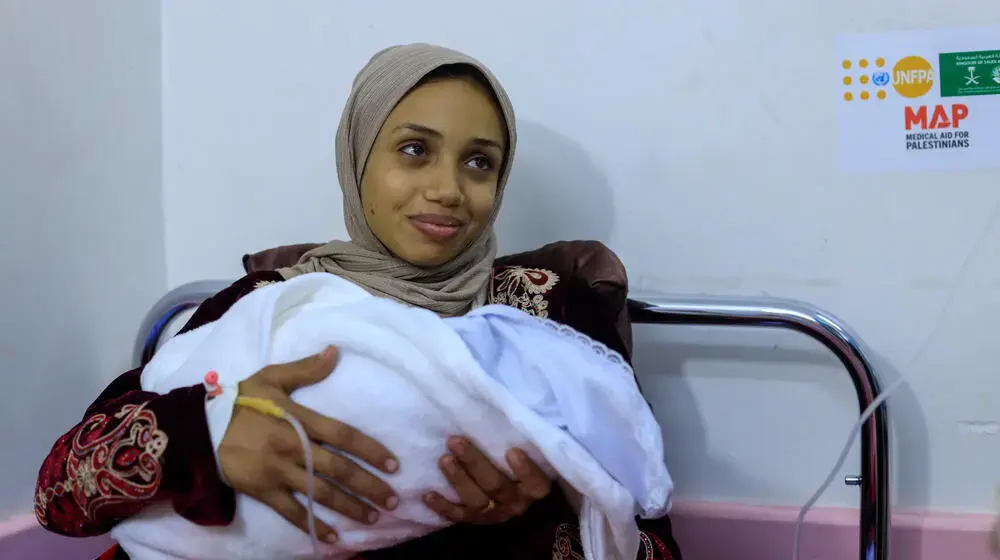
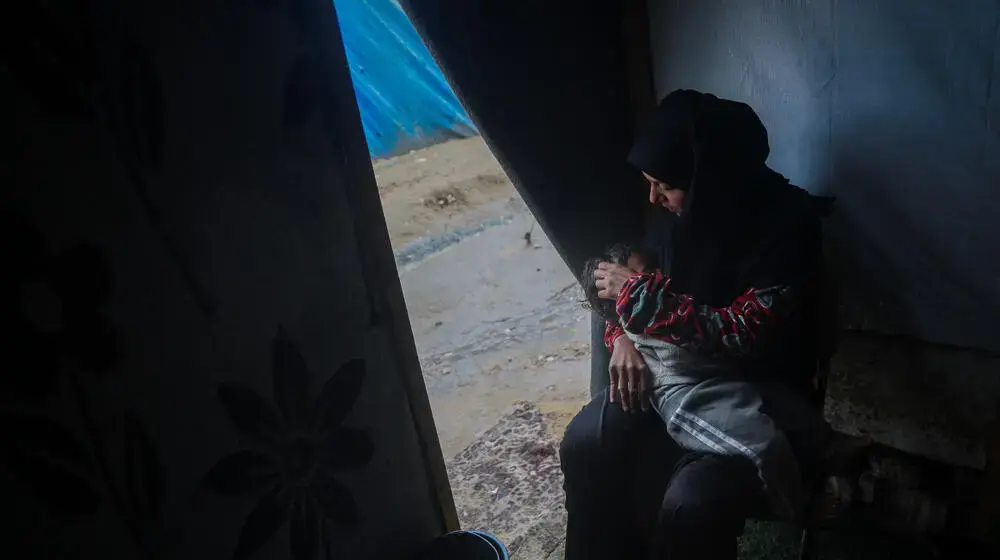
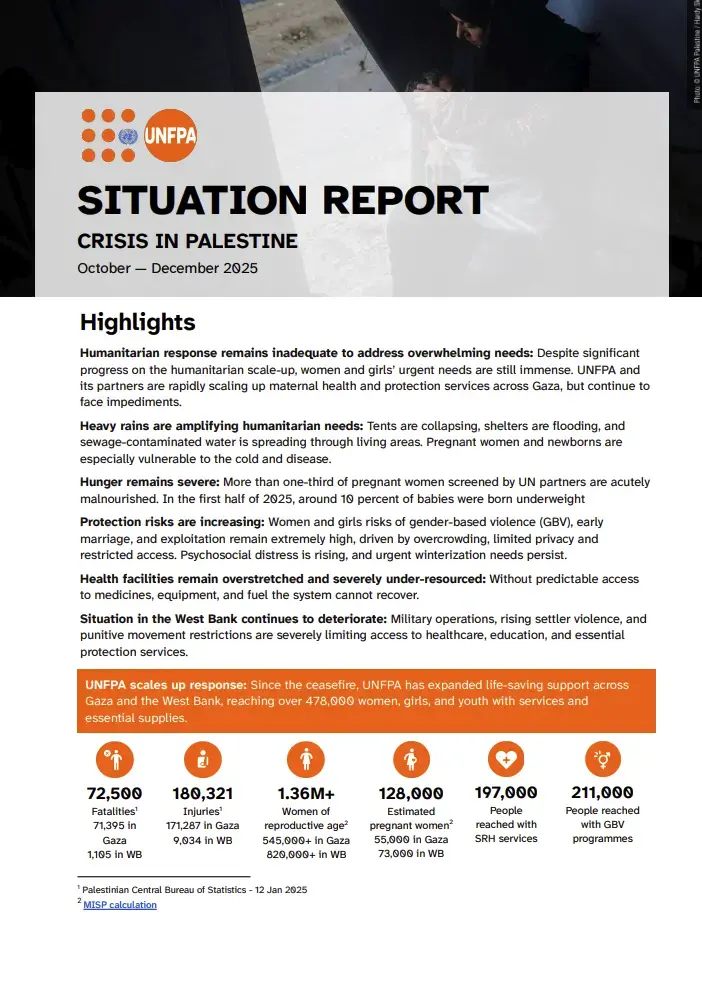
With around 50,000 pregnant women and up to 180 births every day in Gaza, the need for quality maternal care remains urgent – yet only around a third of hospitals are even partially functioning. Acute bed shortages mean women are often discharged just hours after major procedures, returning to tents in overcrowded displacement sites where they face heightened risks of complications and infection.
At the same time, protection risks for women and girls are alarming, with rising reports of gender-based violence, child marriage and exploitation. Families who have lost their homes, livelihoods, privacy and safety are struggling to survive and recover – a situation that has led to a profound and growing psychological crisis.
Read more text
In the West Bank, Palestinians’ daily lives are severely disrupted by increasing Israeli checkpoints and road closures, heightened insecurity and mounting settler violence. Across the territory, families are being forced from their homes and their access to essential services is repeatedly obstructed, including for an estimated 73,000 pregnant women.
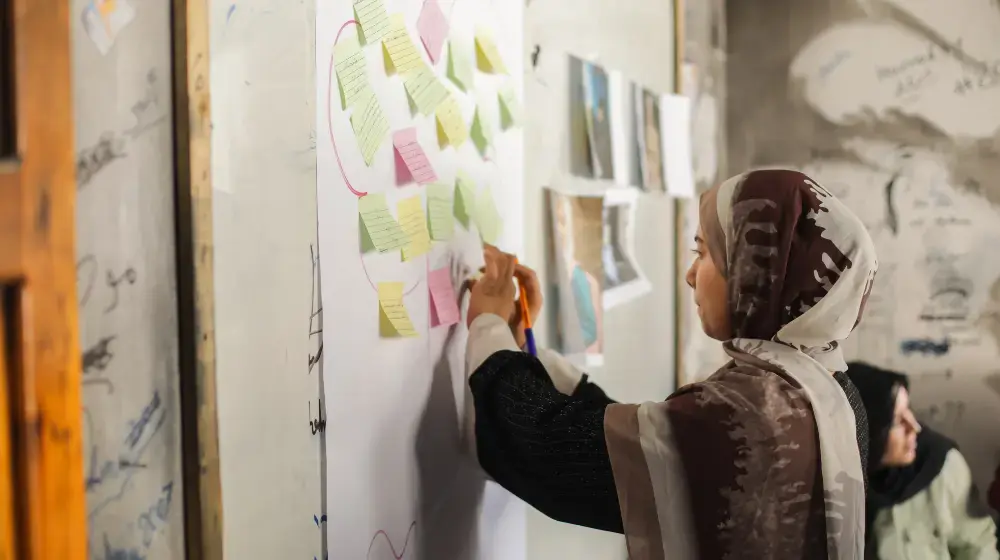
Through mobile clinics and midwifery services in primary healthcare centres, UNFPA continues to provide medical and reproductive health services to displaced people. UNFPA is also running safe spaces for women and girls to provide medical treatment and counselling for survivors of violence. UNFPA is ready to scale up its humanitarian and recovery operations but needs full funding for its appeal, and safe and sustained humanitarian access to do so.
Updated 26 March 2026