
Lebanon
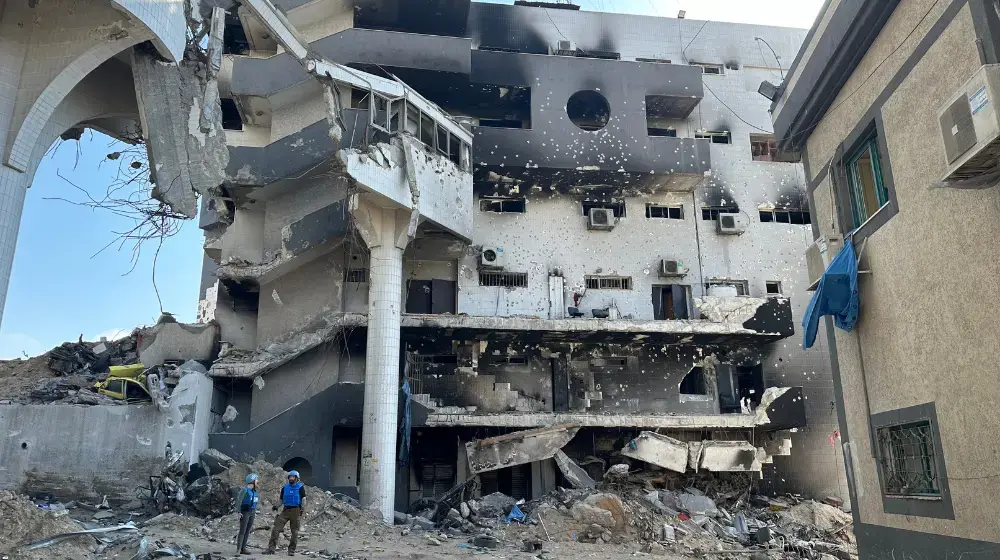
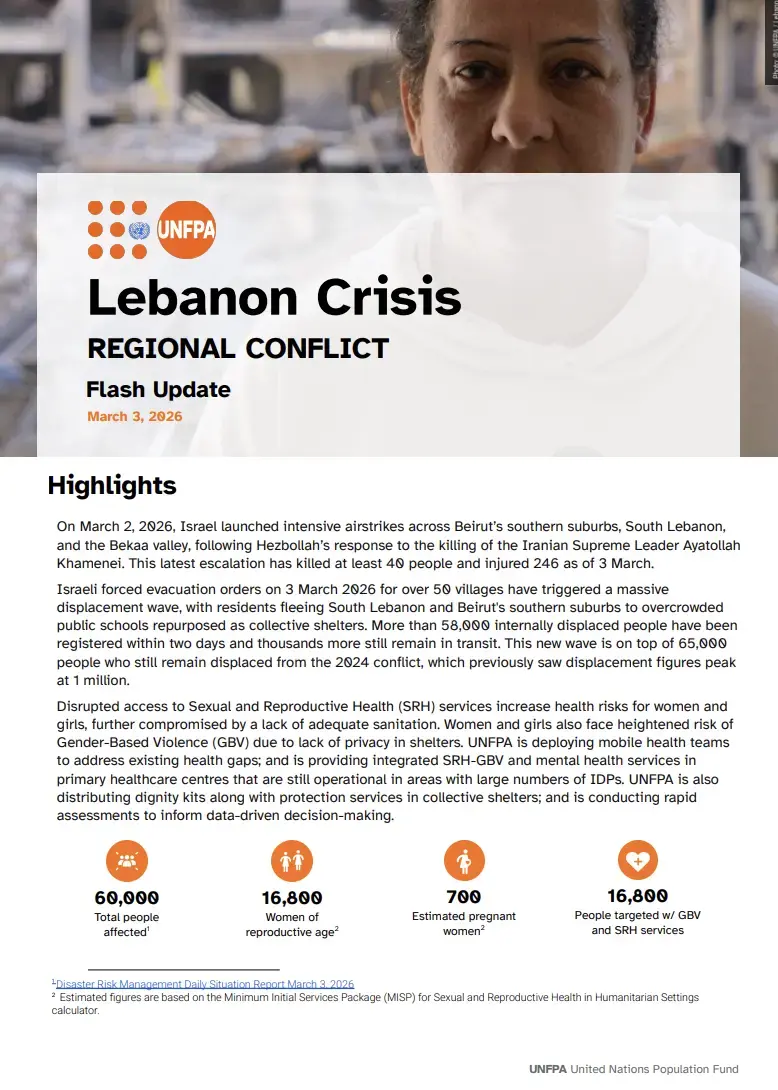
The escalating conflict in the Middle East is causing a new wave of displacement and fear in Lebanon, threatening the lives and safety of women and girls.
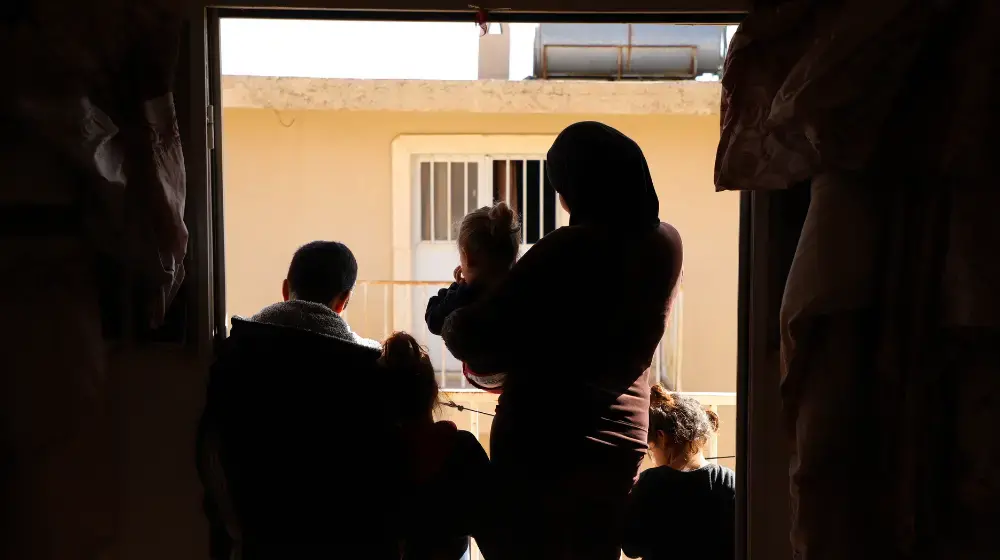
Evacuation orders in dozens of villages have forced tens of thousands of residents from their homes in a matter of hours – in addition to some 65,000 people still displaced from the conflict in 2024. Families are seeking safety in repurposed public schools that are vastly overcrowded and lacking any kind of basic resources.
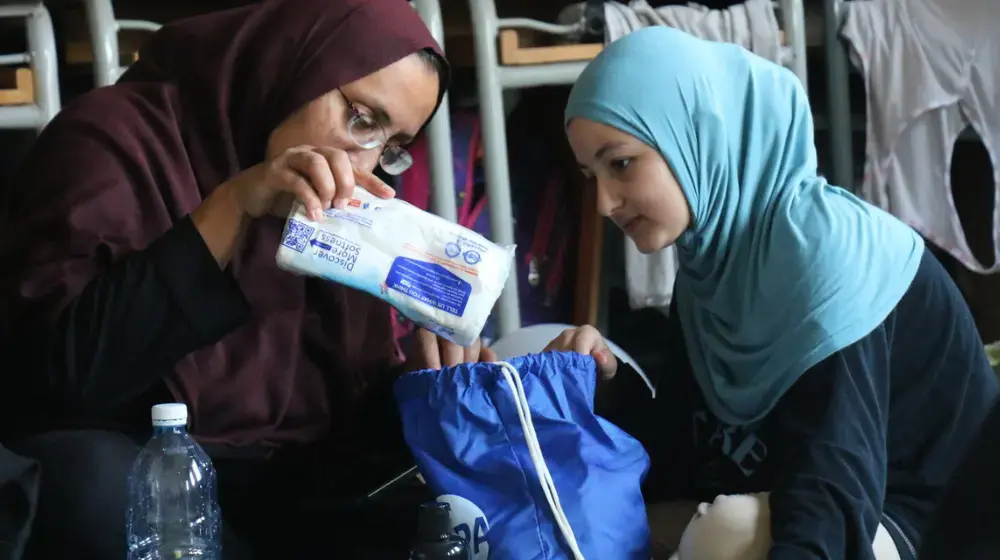
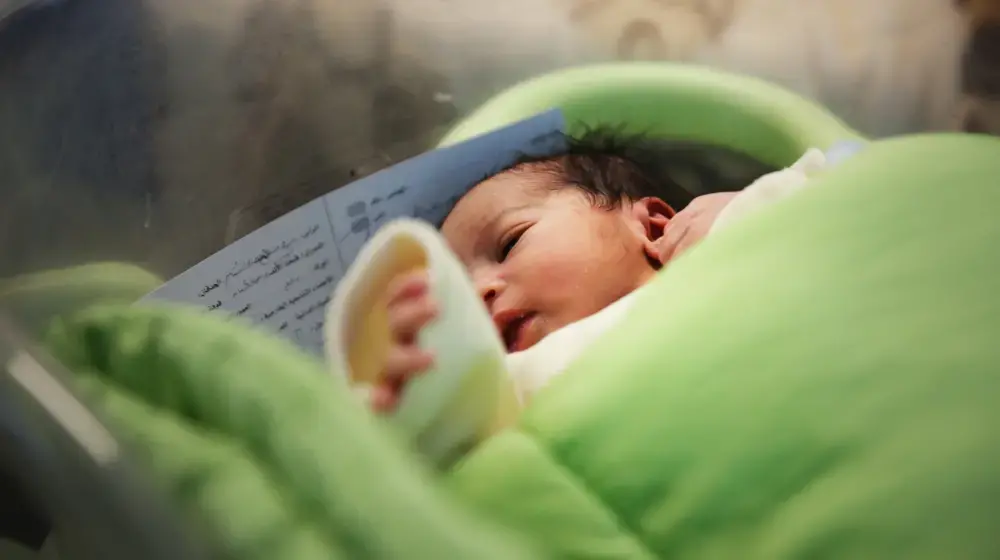
In these packed shelters, the absence of gender-segregated toilets, lockable doors or adequate lighting isn’t just an inconvenience but a security threat, raising the risk of sexual harassment and gender-based violence. Pregnant women face a higher risk of life-threatening complications as they lose contact with healthcare providers. A dearth of clean water and private sanitation makes menstrual hygiene management nearly impossible and significantly increases the risk of infections.
UNFPA is deploying mobile medical units and health teams to displaced and host communities in Beirut, Mount Lebanon and other areas, to provide life-saving sexual and reproductive healthcare and gender-based violence response services and distribute basic hygiene supplies. UNFPA is also supporting emergency obstetric care in primary healthcare centres that remain open. UNFPA calls for the protection of civilians, including humanitarian and health workers, who must be enabled to reach people in need without fear of attack.
Updated 5 March 2026