
Cox's Bazar, Bangladesh
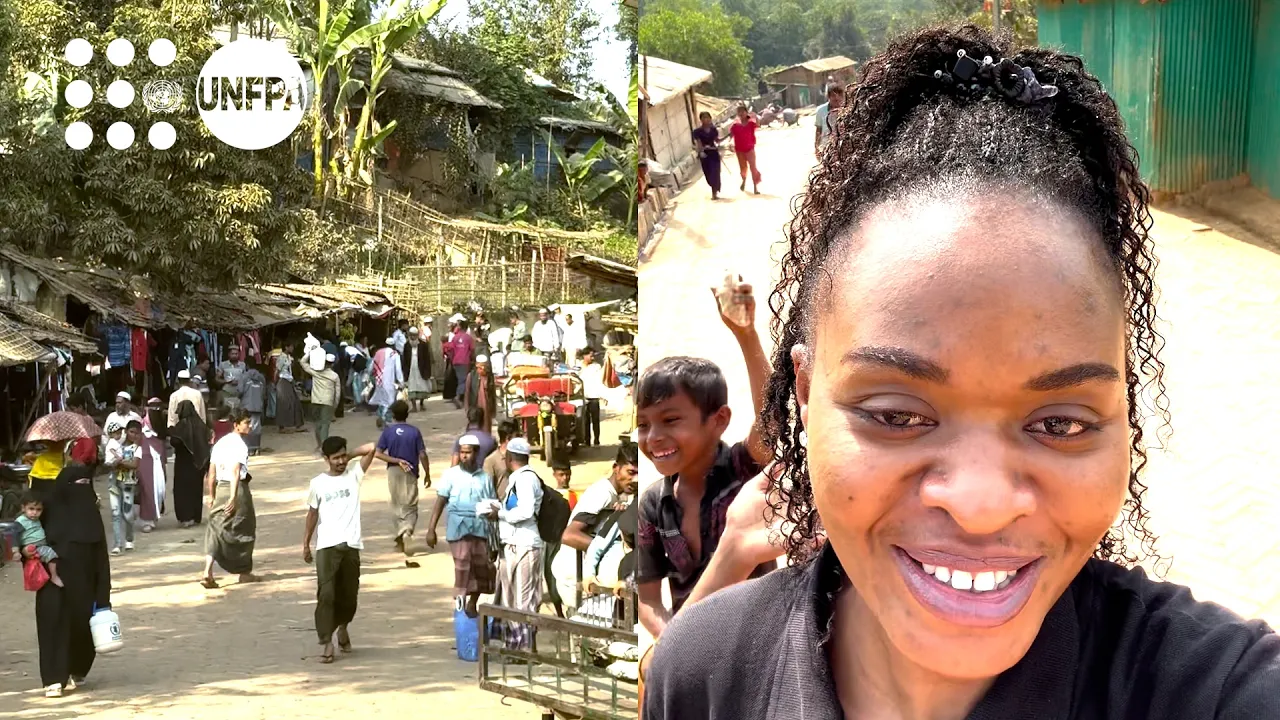
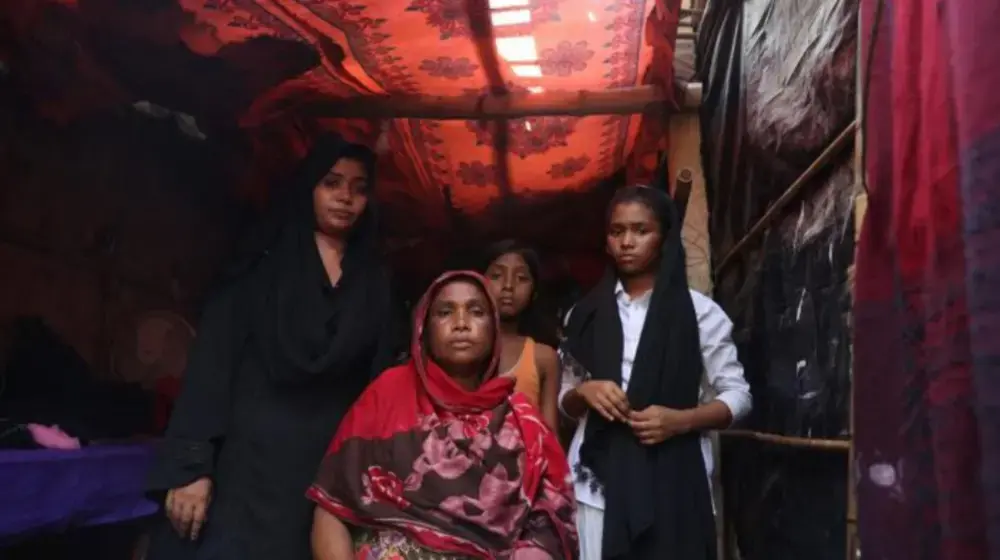
Eight years since they were forced to flee their homes in Myanmar, more than 1 million Rohingya refugees remain in the camps of Bangladesh’s Cox’s Bazar district, and over 35,000 have relocated to nearby Bhasan Char Island. More than half of the displaced are women and girls, living in precarious conditions that leave them entirely reliant on humanitarian assistance.
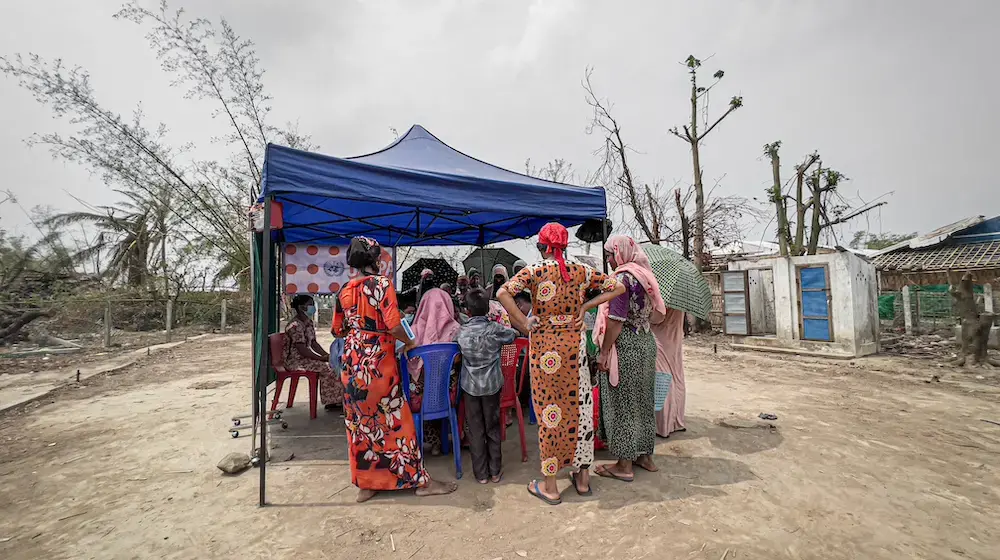
Most refugees live in overcrowded, temporary shelters that offer little privacy or sanitation and are highly vulnerable to the impacts of climate shocks, such as cyclones, fires and landslides. Shrinking humanitarian funding has stretched basic services to their limits, while rising insecurity within the camps restricts people’s mobility and exposes women and children to heightened risks of violence.
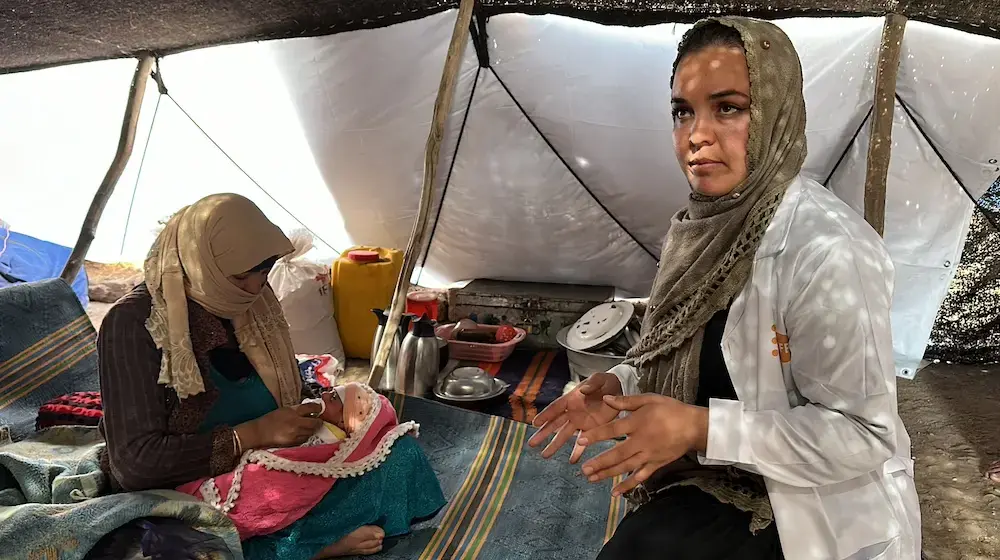
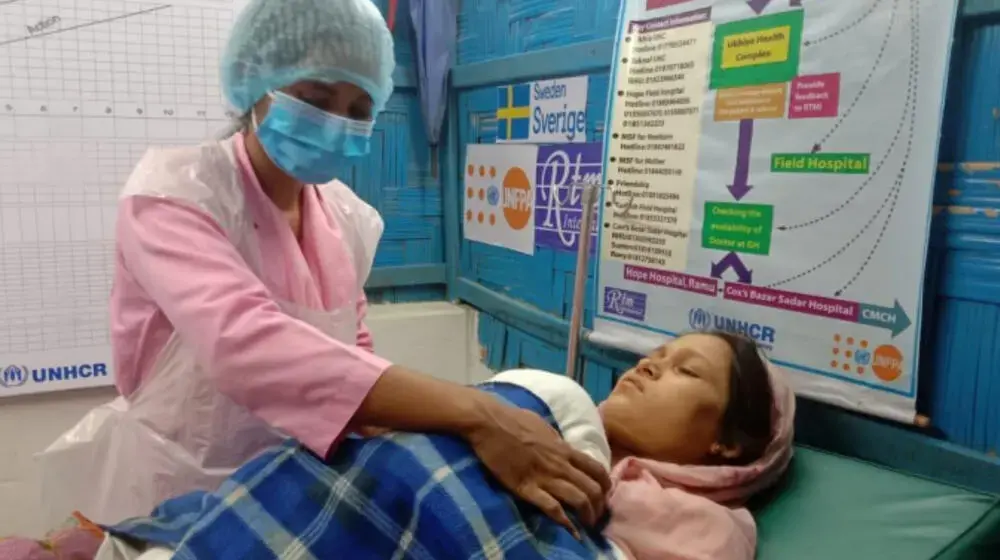
In partnership with the Government of Bangladesh, UNFPA provides sexual and reproductive health services to women and girls in the camps and to host communities. This includes training and deploying midwives – who specialize in obstetric complications and emergencies – and maternal health specialists, as well as mobilizing community health workers to raise awareness about available services. UNFPA also supports multiple health facilities and provides more than 90 per cent of reproductive health supplies across the response.
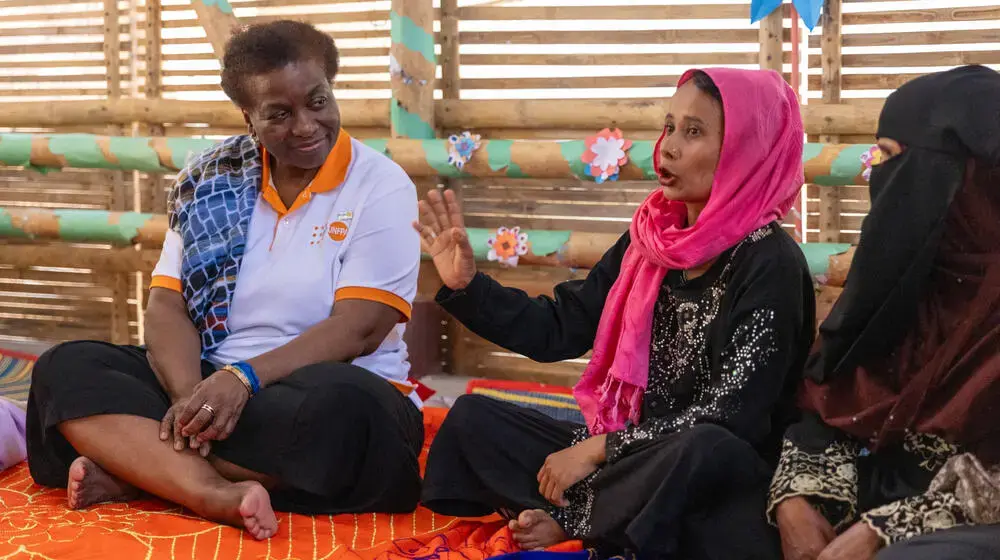
In addition, UNFPA supports 46 safe spaces for women and girls, which provide comprehensive medical care and psychosocial support for survivors of violence as well as referrals to specialized services. Additional centres provide counselling, skills development and vocational training for women and adolescent girls and boys.
Updated 25 November 2025