1
Type of tags
Both
Publication date
2025
Resources
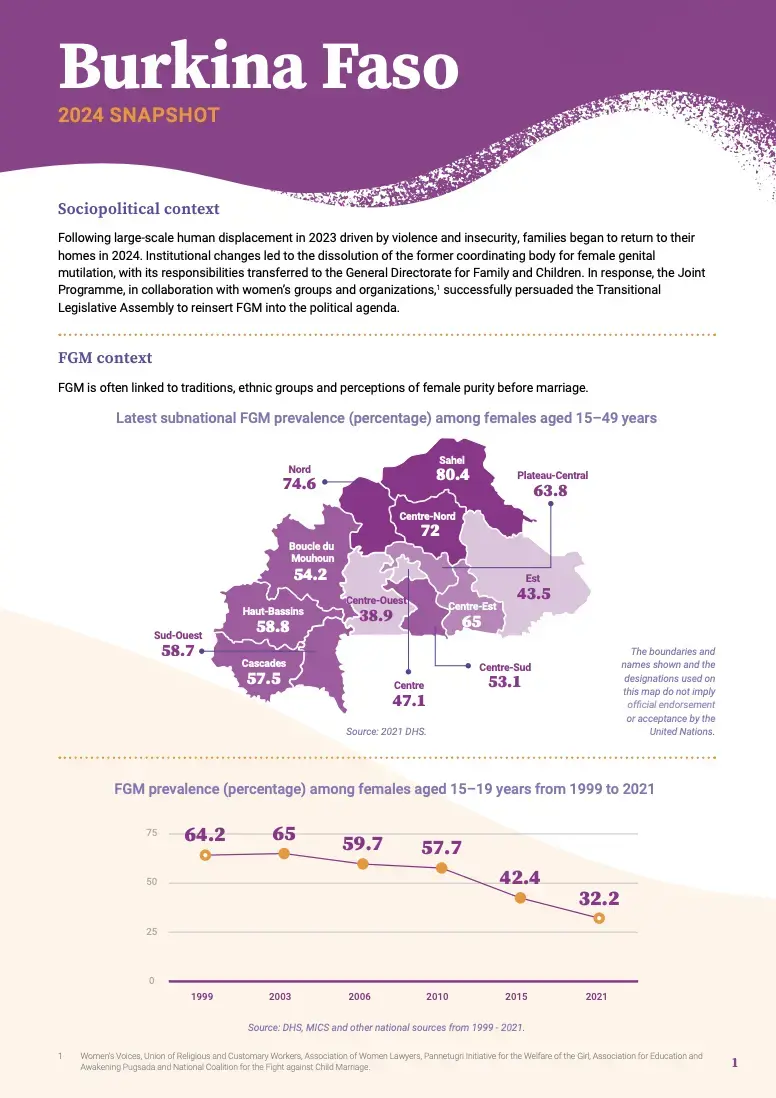
2024 FGM Country Snapshot: Burkina Faso
News
Female genital mutilation in infancy still common, Gambian mothers say
21 August 2025
1
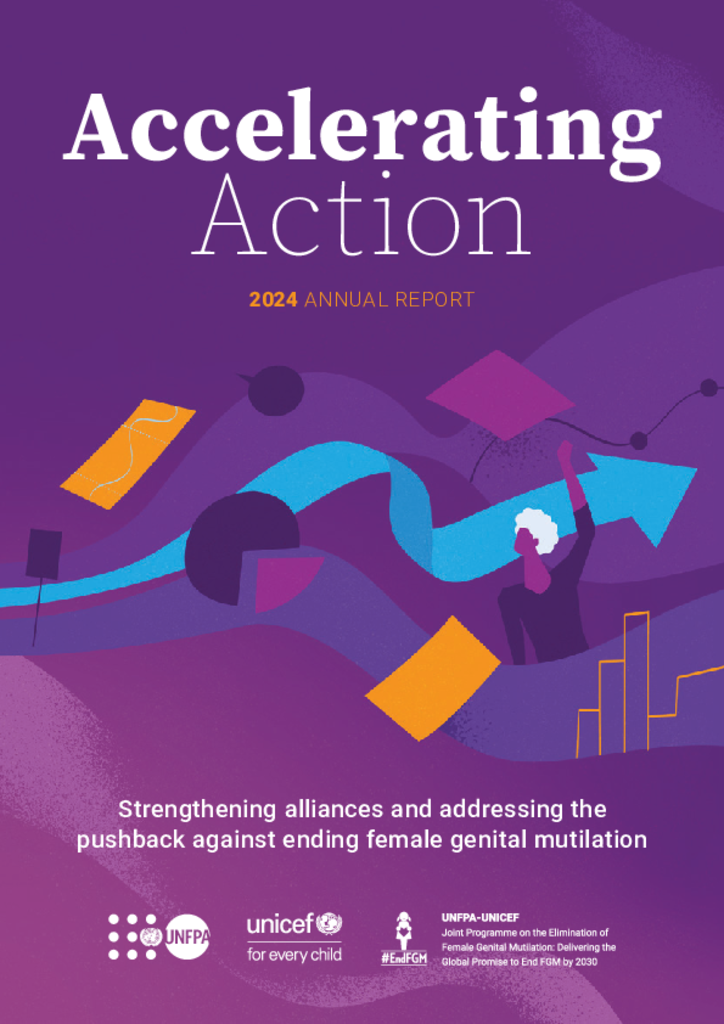
Accelerating Action: Strengthening alliances and addressing pushback against ending female genital mutilation
Select a language to download

The United Nations Population Fund (UNFPA) and United Nations Children’s Fund (UNICEF) Joint Programme on the Elimination of Female Genital Mutilation (FGM) annual programmatic report presents quantitative and qualitative results from 18 focus countries (Burkina Faso, Djibouti, Egypt, Eritrea, Ethiopia, The Gambia, Guinea, Guinea-Bissau, Indonesia, Kenya, Mali, Mauritania, Nigeria, Senegal, Somalia, Sudan, Uganda and Yemen). It includes lessons learned under an annual selected theme as well as an analysis of results to inform prioritized actions moving forward. The annual report supports accountability and strengthens implementation, coordination and partnerships with all relevant actors, within focus countries and beyond.
The target audience includes all programme staff and frontliners working in various domains of human rights, education, health, religion, legal/judiciary, sexual and reproductive health, child protection, social programmes, development and development aid, within governmental and non-governmental institutions, civil society and the private sector. The report is also useful for those who design, implement, monitor and evaluate FGM-related interventions.
2024 marked a critical juncture, with growing, systematic and persistent pushbacks against FGM elimination. These were closely linked to a broader backlash against gender equality and women’s rights. Perpetrators of FGM justify its continuation under the guise of freedom and rights to adhere to social and gender norms, tradition, culture or religion. Some call for its medicalization as a “safety measure”. Partnerships that forge strong alliances and advocacy and organized movement-building are essential to counter arguments and movements that are against the elimination of FGM.
Last year stood as a pivotal moment with just six years remaining to achieve the zero goal in 2030 provision, and support for survivors, all while fostering a significant shift in societal attitudes and practices. However, the trends in the global decline of FGM prevalence demanded significant acceleration to reach elimination within that time frame. With this background, the theme of this annual report is: "Accelerating Action: Strengthening alliances and addressing pushback against ending FGM". The theme underscores the urgent need to expedite and scale up actions, forge stronger coalitions and counter resistance with unwavering commitment – more than ever before. The report both affirms progress and issues a call to action, "from pushback to push forward". It urges stakeholders to transform challenges, drive sustainable changes and speed up progress towards a future free from FGM.
FGM Country Snapshots 2024


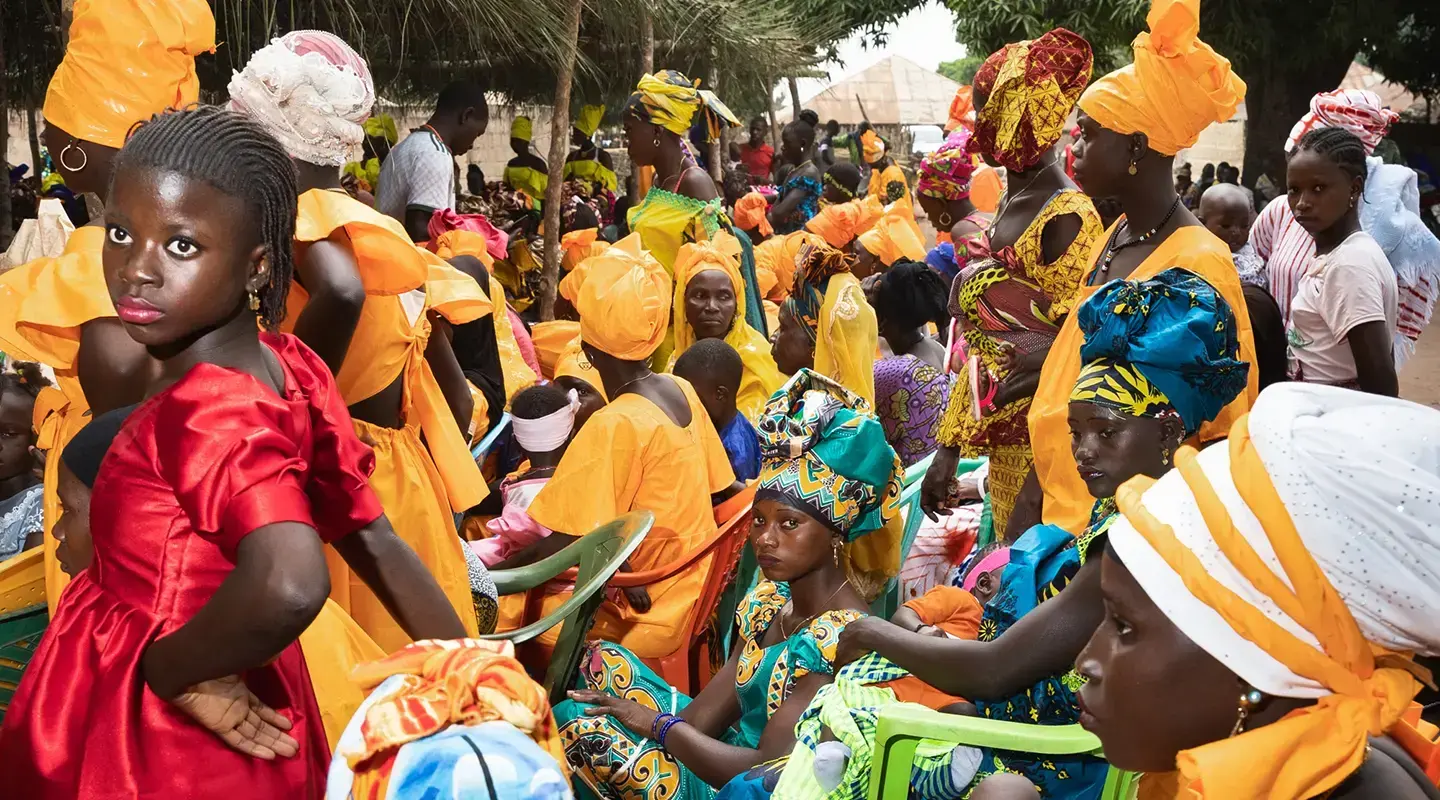
From tradition to transformation: Ending female genital mutilation in Guinea-Bissau
All photos © UNFPA Guinea-Bissau/Gaia Squarci
Publisher
UNFPA, UNICEF
Publication date
Jun 2025
Number of pages
90
Annual Report
2024 Annual Report of FGM Joint Programme - Accelerating Action: Strengthening alliances and addressing pushback against ending female genital mutilation
1
Publisher
UNFPA
Publication date
2025
Resources
At a Glance – Joint Programme on the Elimination of Female Genital Mutilation
Why invest in the Joint Programme on the Elimination of Female Genital Mutilation?
Ending female genital mutilation by 2030 is within reach, but only with urgent and sustained investment. Achieving this goal requires an estimated $2.1 billion, yet the cost of protecting one girl is just $95 — a small investment with a lifelong impact. This support can help scale up proven interventions, strengthen community-led movements, and drive policy change that protects millions of girls.
Publication date
May 2025
Author
Joint Programme on the Elimination of Female Genital Mutilation
Resources
Phase IV Programme Document (2022-2030) for the UNFPA-UNICEF Joint Programme on the Elimination of Female Genital Mutilation: Delivering the Global Promise
This document is a summarized version of the Phase IV Programme Document (2022-2030) for the UNFPA-UNICEF Joint Programme on the Elimination of Female Genital Mutilation: Delivering the Global Promise. It outlines the vision, goal, principles, and strategies to end FGM by 2030. The document includes achievements from previous phases, rationale for Phase IV, global data trends, strategic priorities, theory of change, geographical coverage, resource requirements, and a detailed results framework.
Publication date
Feb 2026
Author
UNFPA
Resources
Female genital mutilation (FGM) frequently asked questions
Women and girls, aged 15-49, who have undergone some form of FGM
Legend
- 0% - 24.9%
- 25% - 49.9%
- 50% - 74.9%
- 75% - 100%
*
Ages vary by country
FGM Dashboard
Women and girls, aged 15-49, who have undergone some form of FGM
Legend
- 0% - 24.9%
- 25% - 49.9%
- 50% - 74.9%
- 75% - 100%
© United Nations Population Fund
Source: Demographic and Health Surveys
1
UNFPA-UNICEF Joint Programme on the Elimination of Female Genital Mutilation
A movement to end this harmful practice by 2030
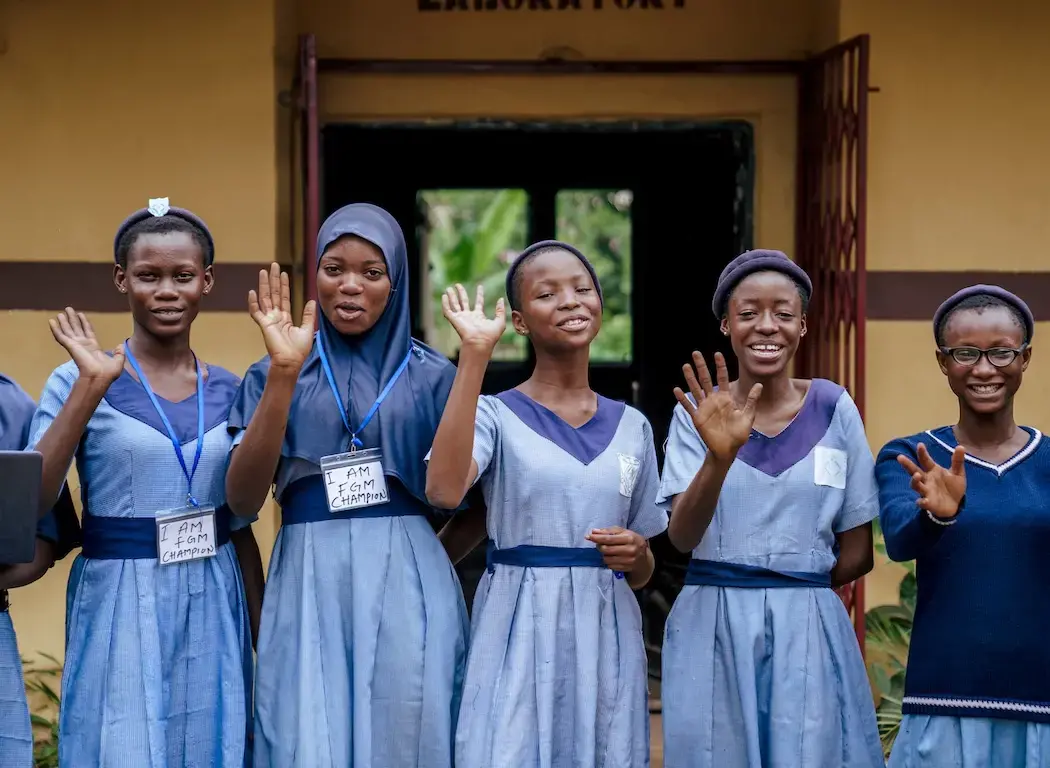
What is the Joint Programme on the Elimination of Female Genital Mutilation?
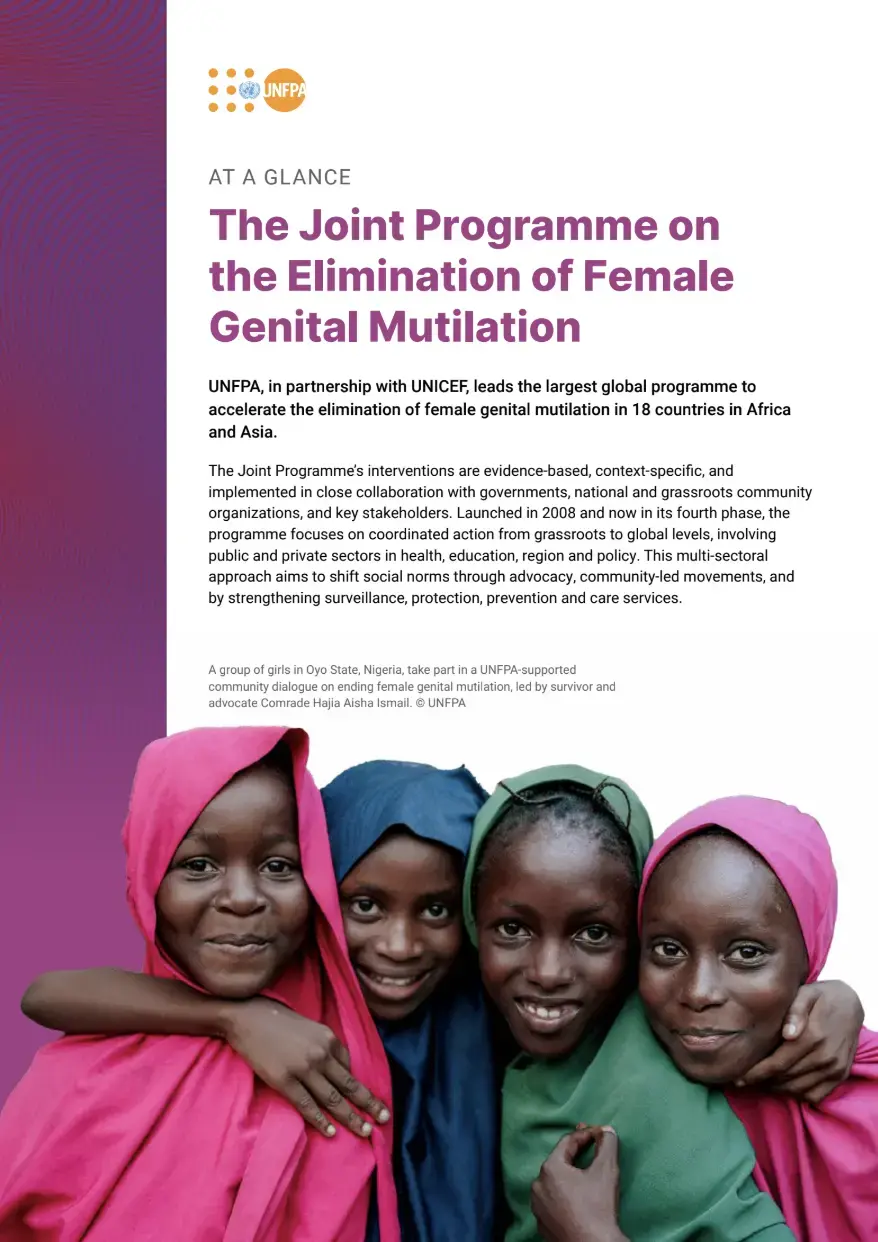
UNFPA, in partnership with UNICEF, leads the largest global programme to accelerate the elimination of female genital mutilation. The Programme is implemented in 18 focus countries in Africa and Asia: Burkina Faso, Djibouti, Egypt, Eritrea, Ethiopia, The Gambia, Guinea, Guinea-Bissau, Indonesia, Kenya, Mali, Mauritania, Nigeria, Senegal, Sudan, Somalia, Uganda and Yemen, with a reach and influence in other countries and regions where this harmful practice is prevalent.
The Joint Programme was established in 2008, with both agencies working in close collaboration with governments and partners across all levels – grassroots, community, subnational, national, regional and global. It covers multiple sectors – among them social, education, health, religion, economics and politics – advocating for the scale-up of evidence-based interventions and results. Currently the programme focuses on five strategies: promoting girls’ agency; building movements with a special focus on youth; engaging women-led organizations; funding diversification; and expanding and intensifying global influence.
Why get involved?
Female genital mutilation is a violation of human rights and is never safe, with immediate health risks that can span a lifetime, including chronic pain, infections, increased risk of childbirth complications and psychological trauma.
Ending this harmful practice is an achievable Sustainable Development Goal to safeguard and protect the 68 million girls and women at risk. Your involvement can take many forms – from advocacy and policy making to providing financial support or implementing interventions on the ground. By participating in this global movement, you can contribute to ending female genital mutilation and creating a world where every girl and woman lives free from violence and discrimination.
Updated 4 February 2026
Top 10 achievements since 2008
-
 girls aged 0 to 14 years were protected from undergoing female genital mutilation
-
 women and girls have initiated conversations on eliminating female genital mutilation
-
 people made public declarations to abandon female genital mutilation
-
 communities established surveillance systems to protect girls from undergoing female genital mutilation
-
 individuals were reached by mass media messaging on female genital mutilation
-
 grassroots organizations have been integrated into coalitions and networks working on the elimination of female genital mutilation
-
 community and front-line workers from 241 implementing partners were engaged in interventions that aim to end female genital mutilation
-
 girls and women received female genital mutilation–related prevention and protection services
-
 health-service delivery points have at least one health worker trained to provide repair or prevent female gential mutilation
-
 arrests were made as part of enforcing female genital mutilation legislation
36
Where we work
Explore snapshots of the focus countries. Each snapshot offers a brief synopsis of the context, including drivers, prevalence, attitudes and progress in eliminating female genital mutilation, and a list of key programme partners. The snapshots also highlight key programmatic achievements and an activity showcasing how the current Phase IV of the programme operates at the field level.


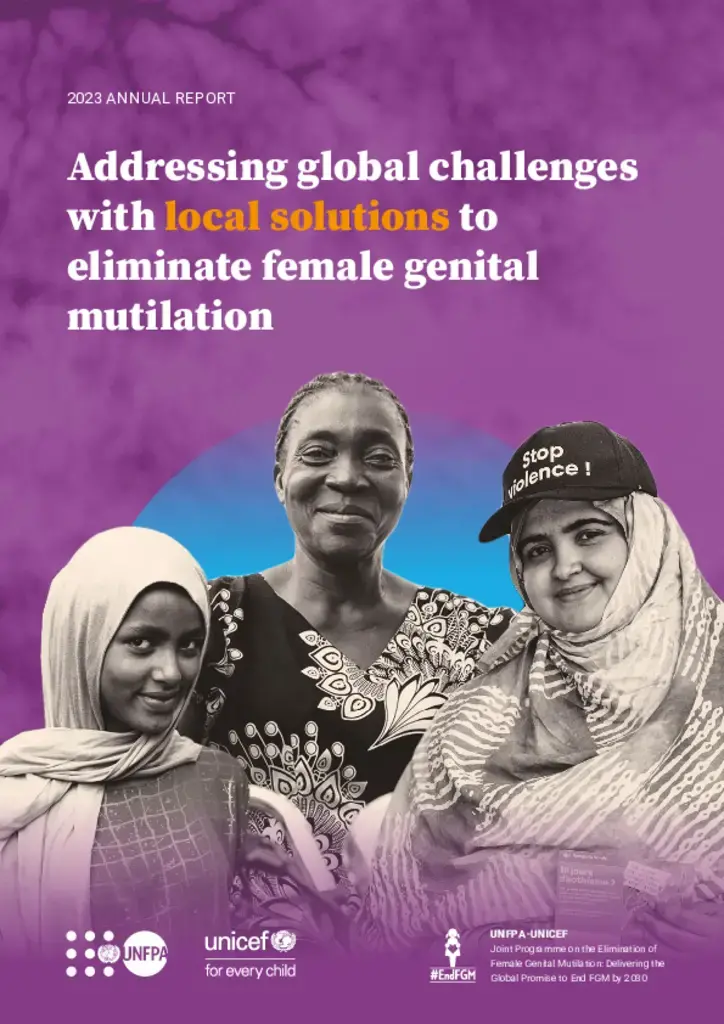
Annual Report
2023 Annual Report of FGM Joint Programme: Addressing global challenges with local solutions to eliminate female genital mutilation
The 2023 annual report adopts a theme of “addressing global challenges with local solutions to eliminate FGM”. It focuses on engagement with women-…
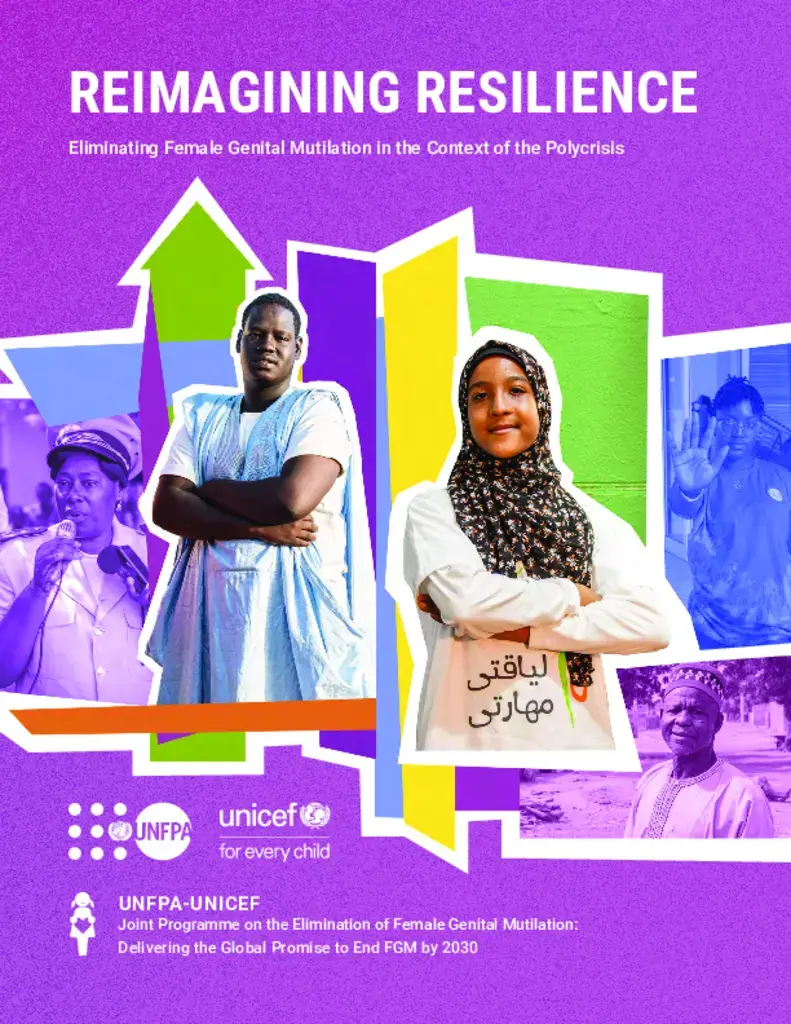
Annual Report
2022 Annual Report of FGM Joint Programme: Reimagining Resilience
In 2022, the UNFPA-UNICEF Joint Programme on the Elimination of Female Genital Mutilation achieved significant milestones. This annual report focuses…
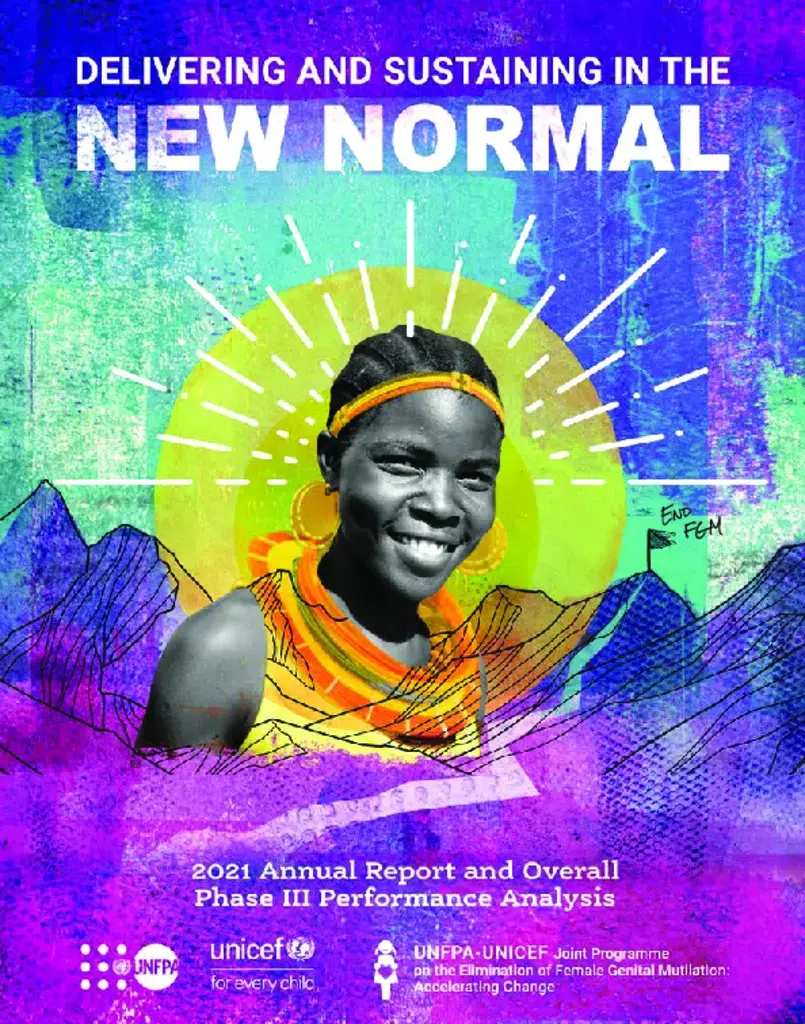
Annual Report
2021 Annual Report of FGM Joint Programme: Delivering and Sustaining in the New Normal
This report highlights achievements made in 2021 and the overall performance analysis of Phase III (2018 – 2021). It outlines the challenges and…
Annual Report
2020 Annual Report of FGM Joint Programme: Report on the Data and Evidence for Impact
The 2020 annual report of the global Joint Programme on the Elimination of Female Genital Mutilation presents the progress made thus far in the…
Resources
2020 Annual Report on FGM - The Financial Report
The 2020 annual report of the global Joint Programme on the Elimination of Female Genital Mutilation presents the…
Partnerships and funding
Partnerships are at the heart of the UNFPA-UNICEF Joint Programme’s strategy to eliminate female genital mutilation. The Joint Programme partners include a diverse set of multi-sectoral stakeholders representing governmental institutions, national and international organizations, civil society organizations, grassroots organizations, women’s groups, youth-led initiatives, academia and front-line workers, all striving together to end female genital mutilation. These partnerships are at global, regional, national and subnational levels, working to create an enabling environment for change. This ranges from policy-making to community-level and grassroots interventions, building a world where girls and women are safe, empowered and free to live their lives without the threat of female genital mutilation.
The Joint Programme’s funding partners provide the financial support to catalyze and scale up evidence-based effective interventions that result in norm changes to end female genital mutilation. In the current fourth phase, the Joint Programme is generously funded by the Governments of Belgium, Canada, France, Germany, Iceland, Italy, Luxembourg, Norway, Spain, Sweden, the United Kingdom, the United States and the European Union, as well as the Nordisk Foundation. Nonetheless, additional financial resources are required to further scale up interventions to be able to achieve the global target of eliminating female genital mutilation by 2030.
Every year $1.4 billion is spent treating female genital mutilation health-related complications. Meanwhile for an estimated cost of $2.4 billion, the practice could instead be eliminated in 31 priority countries.
Funds received by the Joint Programme in 2024
Video
Women in the Central African Republic speak up and claim their right to learn
10 March 2025

https://youtu.be/TWlxwu6vF0s

https://youtu.be/TWlxwu6vF0s
Women in the Central African Republic speak up and claim their right to learn
The Central African Republic is one of the worst countries in the world to be a woman.
Why? Because most women in the country are illiterate, live in poverty and experience gender-based violence on a widespread scale.
Hear some of their stories and see how UNFPA—the United Nations sexual and reproductive health agency—is taking action to help them learn new skills.
