
1
Évènements
Actualités
Ethiopian women and girls see “remarkable results” in ending child marriage
08 Février 2018
Diaporama
Les filles du monde entier luttent contre les mutilations génitales féminines
06 Février 2018
1/8
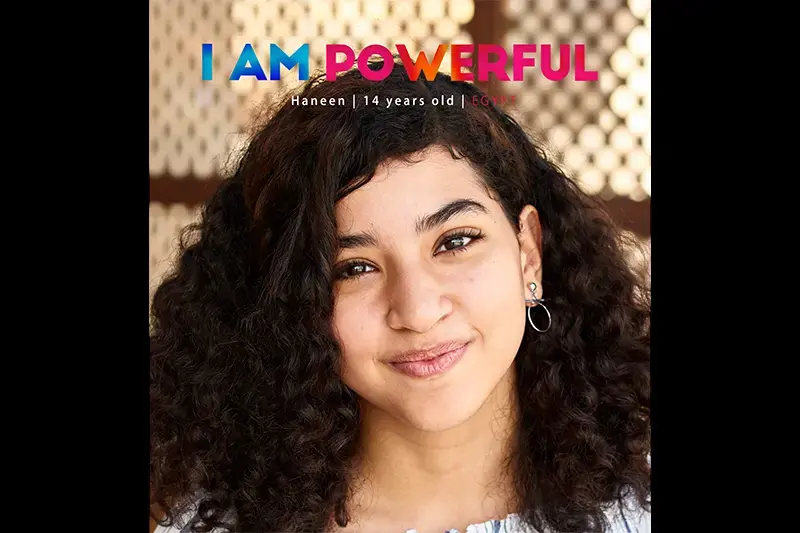
Female genital mutilation (FGM) is practiced around the world, despite the risk of haemorrhage, infection and even death. But girls are rising up against this practice. In Egypt, 14-year-old Haneen is an advocate for ending FGM. Luca Zordan for UNFPA
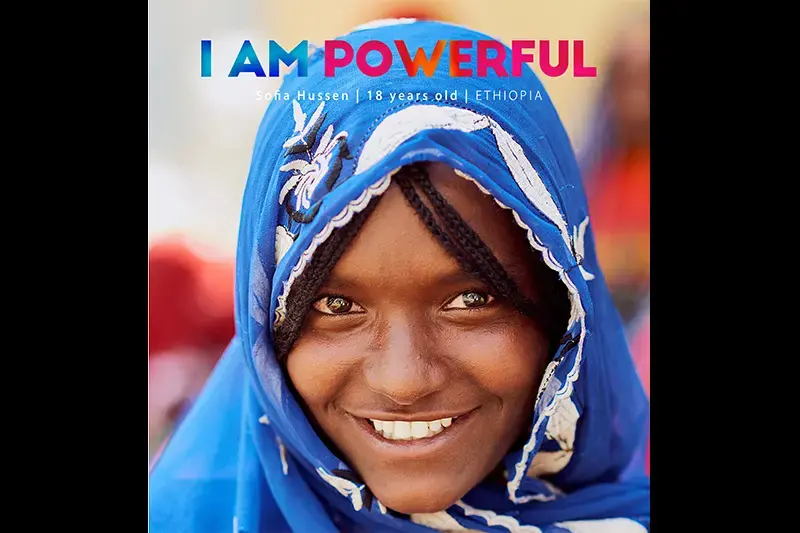
In many places, FGM and child marriage are linked. In Ethiopia, Sofia Hussen experienced both. Now 18, she uses her own story to call for change. “I am a living example,” she said. Luca Zordan for UNFPA
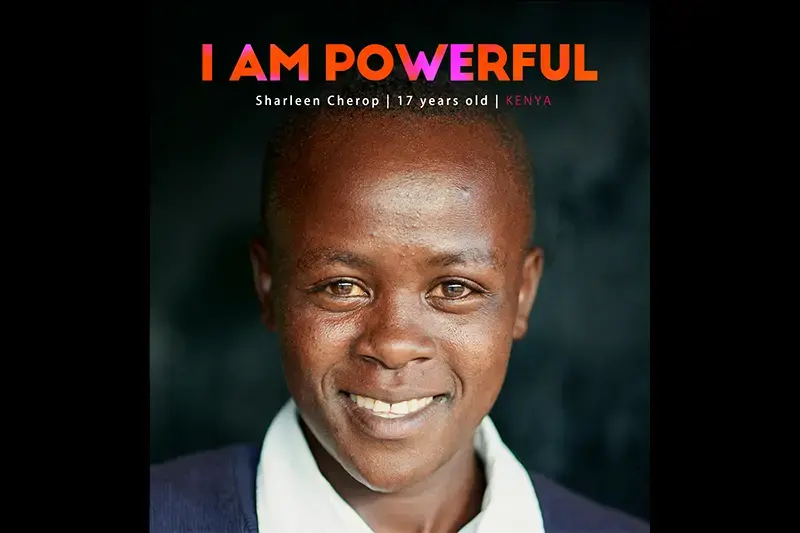
Sharleen Cherop, 17, in Kenya, fled both FGM and child marriage. “I refused,” she said, recalling how she ran away from home to escape. She found refuge at a school, and is now an advocate for children’s rights. Luca Zordan for UNFPA
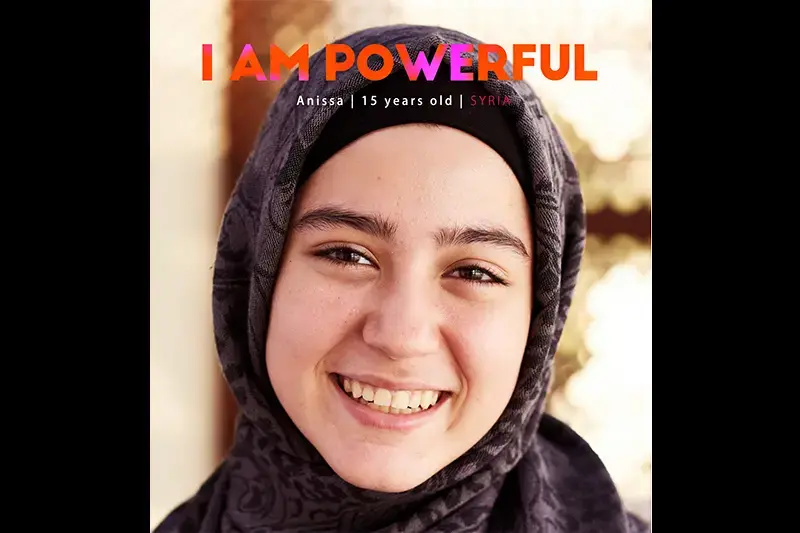
Anissa, 15, is a Syrian refugee in Egypt. FGM is not traditionally practiced in Syria, but some refugees have adopted the practice in Egypt, where it is widespread. Anissa works with the youth group Y-Peer to help end FGM. Luca Zordan for UNFPA
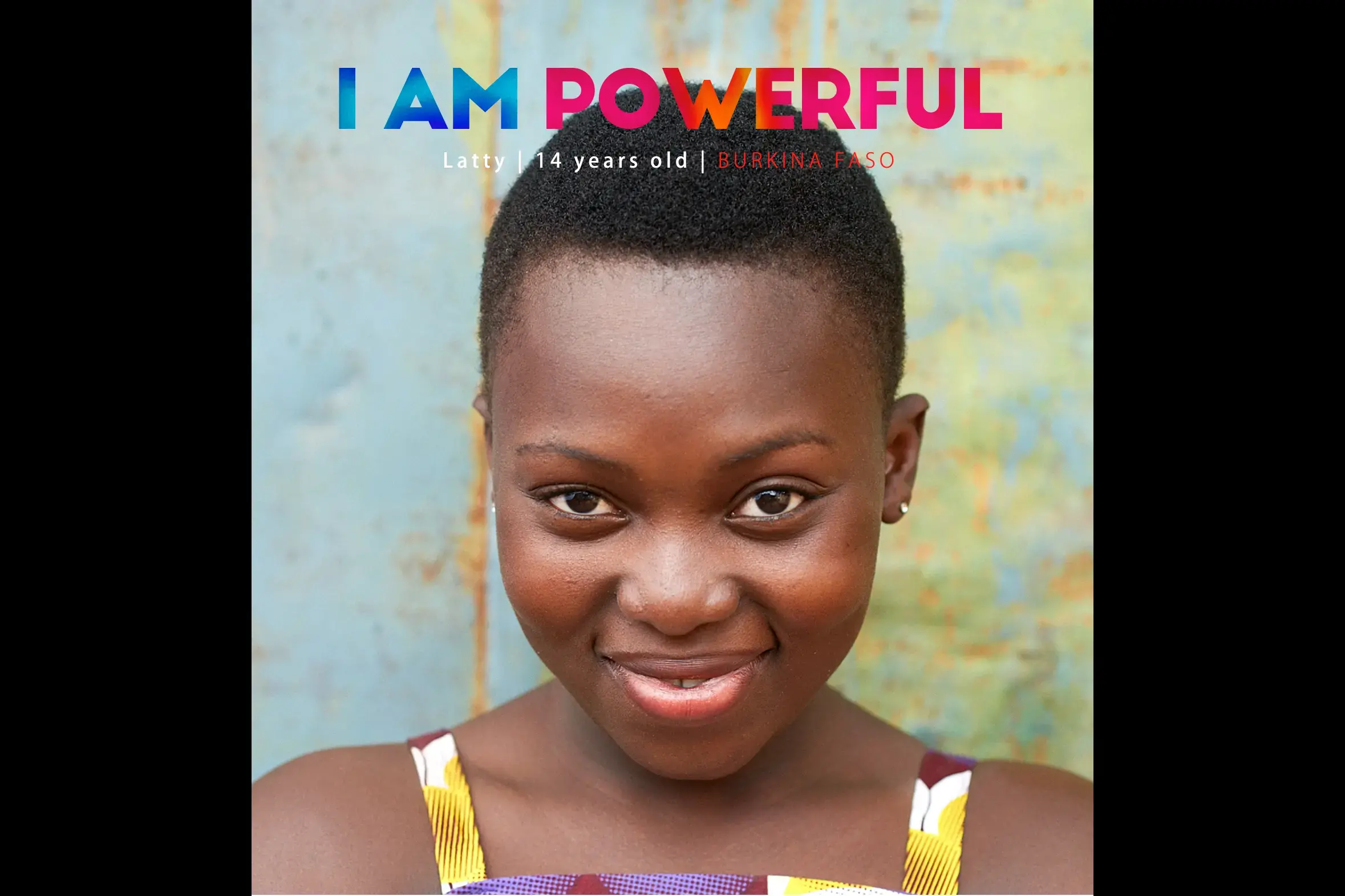
In Burkina Faso, Latifatou Compaoré, 14, was inspired by her mother to call for the elimination of FGM. She recorded a song about the subject, which has been played on national television and radio. Luca Zordan for UNFPA
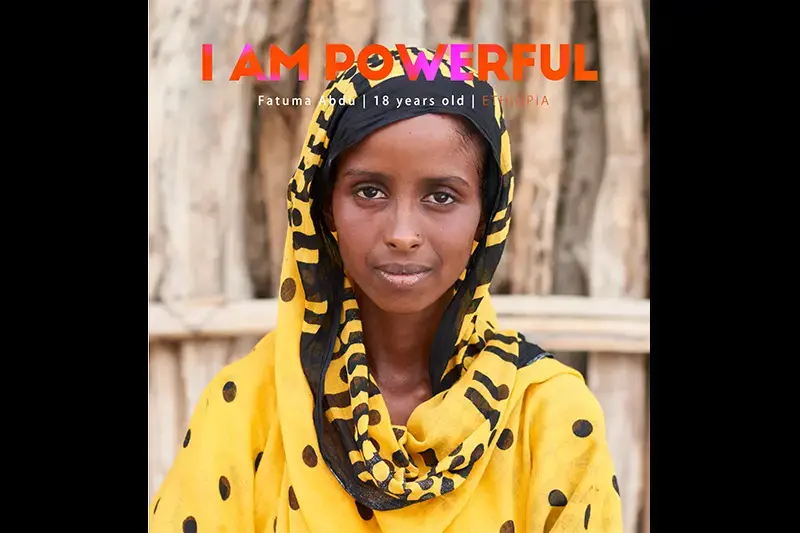
In Ethiopia, Fatuma Abdu participates in a UNFPA-supported adolescent girls’ group that discusses the subject. “I teach my family and other community member the cause and effects of FGM.” Luca Zordan for UNFPA
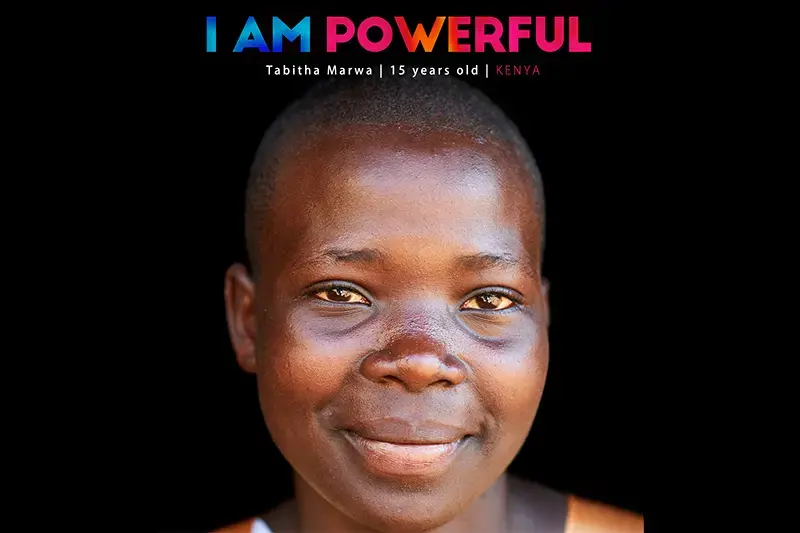
Tabitha Marwa, 15, in Kenya, avoided FGM with support from her parents, but the backlash from her community was severe. For her safety, she was sent to a rescue centre. Today, she is a role model for other girls. Luca Zordan for UNFPA
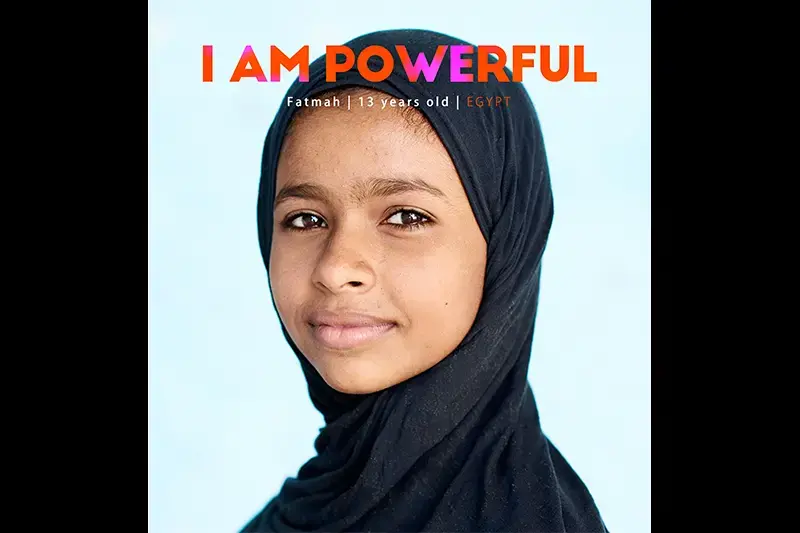
Fatmah, in Egypt, learned about the consequences of FGM from her mother. Today, at 13, Fatmah encourages people to reject the practice. “FGM is wrong and it has lots of harms,” she said. “I convinced my sister not to cut her kids.” Luca Zordan for UNFPA
Actualités
To tackle sexual violence in Lesotho, programme targets men and boys
11 Janvier 2018
1
Actualités
Empowering local first responders to reach refugee and migrant women
17 Janvier 2018
1
Diaporama
Voix des filles épouses à travers le monde
01 Février 2018
1/15
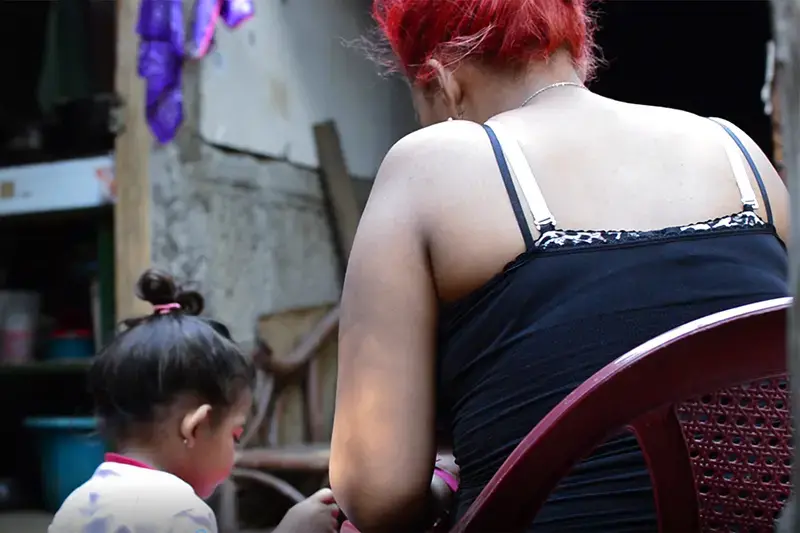
Child marriage is common; it takes place in every corner of the world. In Nicaragua, Irayda ran away from an abusive home and got married at age 14. “Before I was 15, I was already pregnant,” she said. © UNFPA Nicaragua
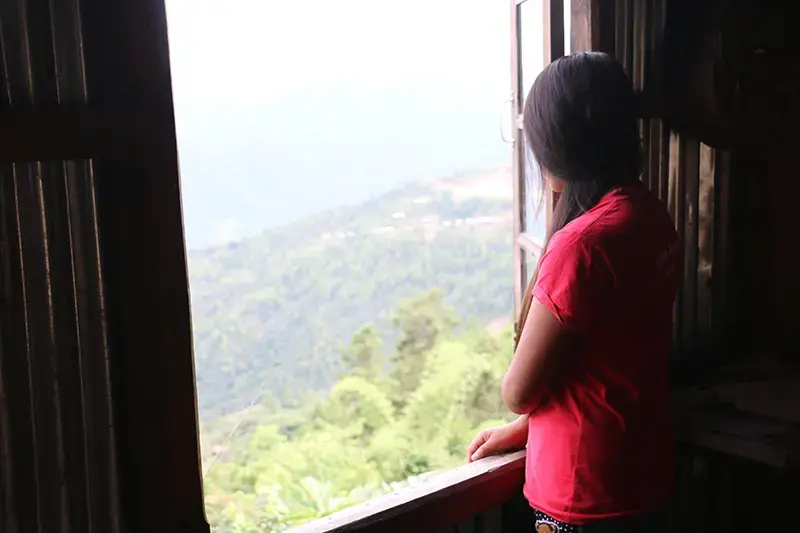
Millions of girls are married off every year. In Myanmar, this girl was married off while still a teenager. © UNFPA Myanmar/Yenny Gamming
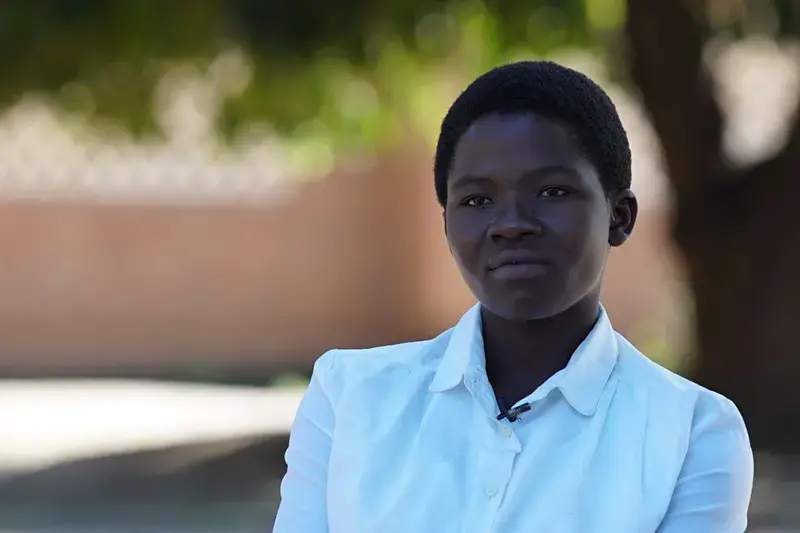
Child marriage is largely driven by poverty and gender inequality. Fanny, in Malawi, was married at 17. “This was due to pressure from my parents, who were overwhelmed by the deep poverty we were experiencing, but I was not ready,” she said. ©UNFPA Malawi
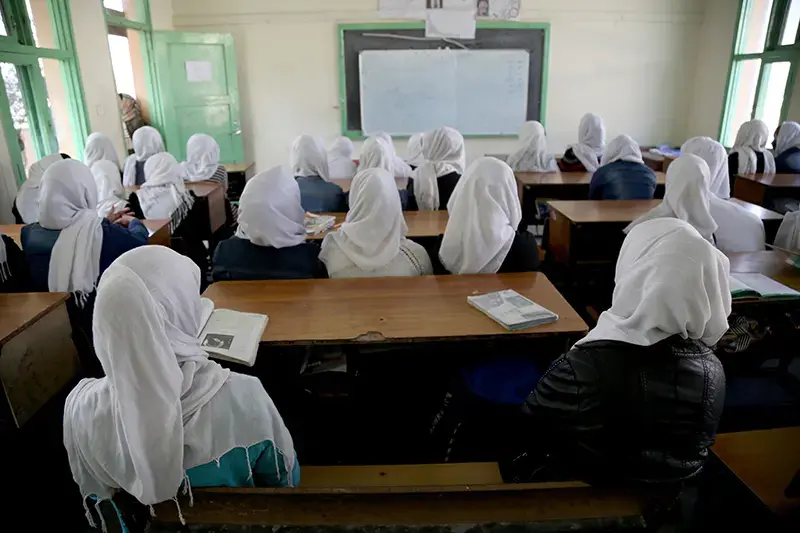
The practice takes an enormous toll on children. Child brides often drop out of school, limiting their future potential. In Kabul, Leda’s husband forced her to leave the 11th grade. This is her empty classroom chair. © UNFPA Afghanistan
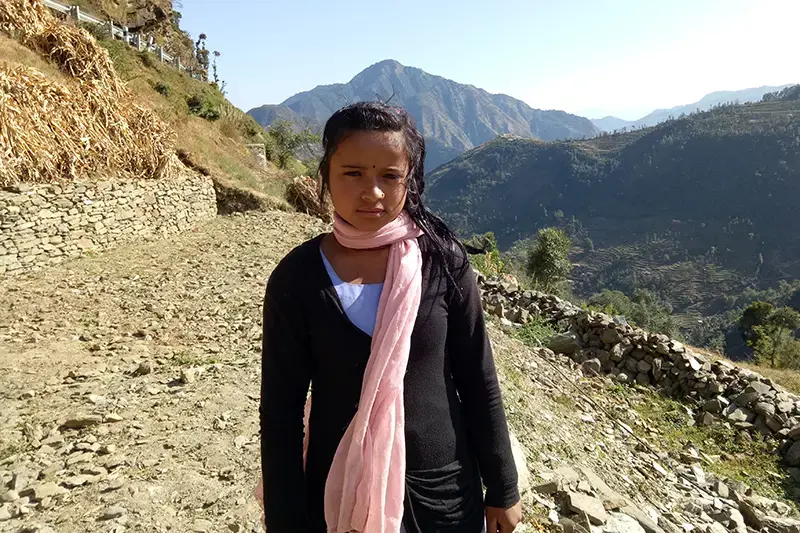
The reverse is true as well: Girls who leave school are extremely vulnerable to child marriage. “If I quit my studies, I will be married off immediately,” said Kabita, 16, in Nepal. © UNFPA Nepal/Dhana Bahadur Lamsal
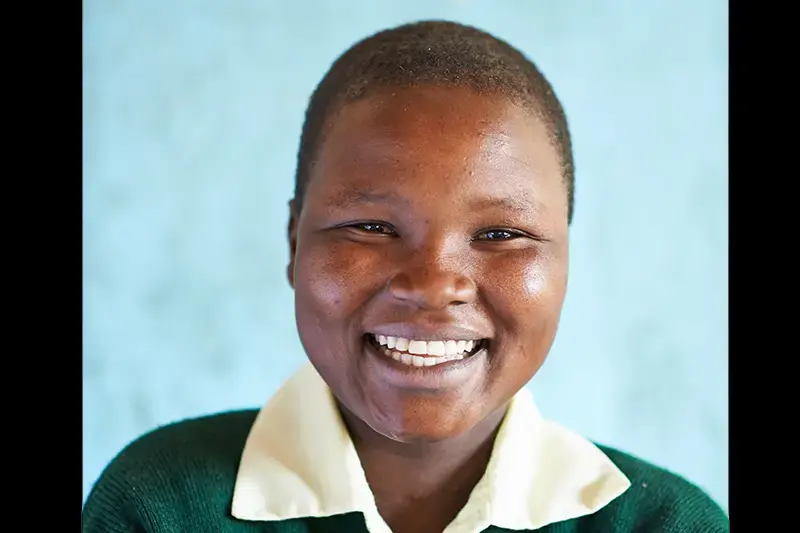
Child brides are vulnerable to violence. “They really beat me up, a beating like I had never experienced in my entire life,” said Eunice, in Kenya, describing her forced marriage. She escaped and now, at 16, she is happily in school. Luca Zordan for UNFPA
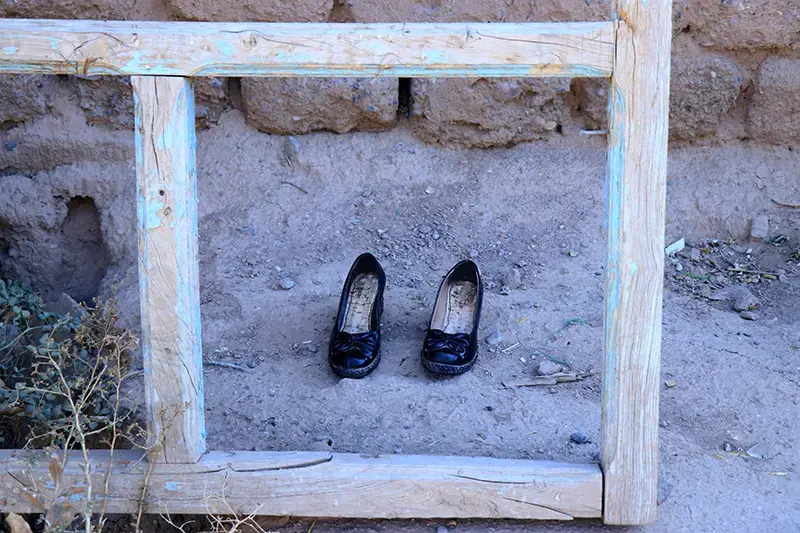
Violence leaves a lasting mark, affecting girls’ physical, emotional and mental well-being. “I wanted to finish my life because of all the torture,” said one girl in Afghanistan, who was a child bride at age 12. These are her shoes. © UNFPA Afghanistan
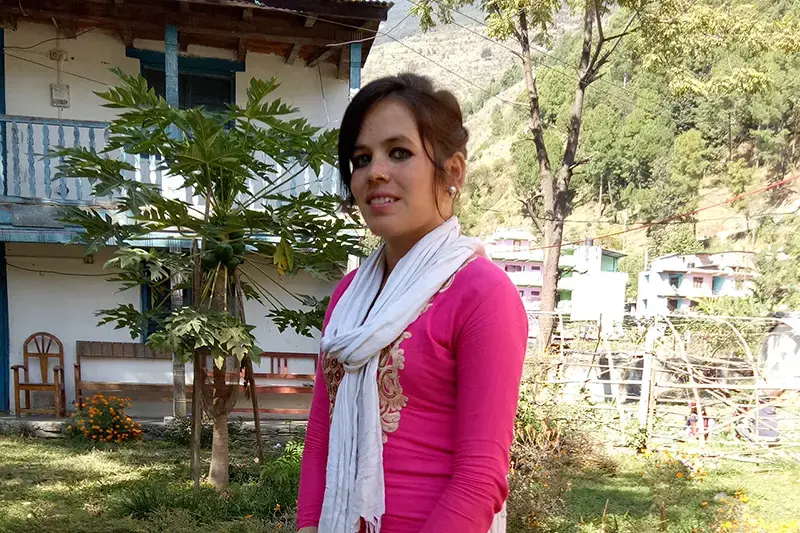
Child brides are often pushed into premature parenthood. “My sister wasn't ready to be a bride at 17,” said Puja, in Nepal. “Her marriage was against her will. Right after her marriage, she became a mother.” © UNFPA Nepal/Dhana Bahadur Lamsal
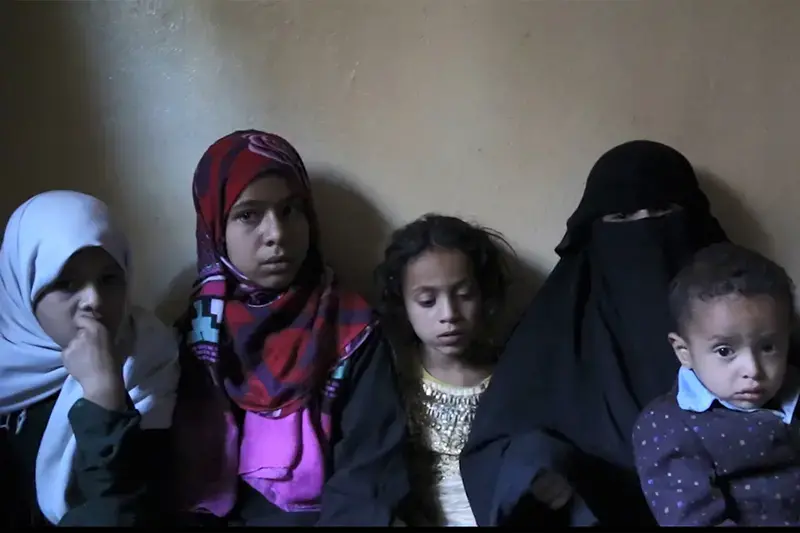
Many become pregnant before their bodies are ready. Pregnancy-related complications are the world’s leading killer of adolescent girls. “I damaged my spine because of this early pregnancy,” said Ameena, in Yemen (second from left), married at 15. © UNFPA
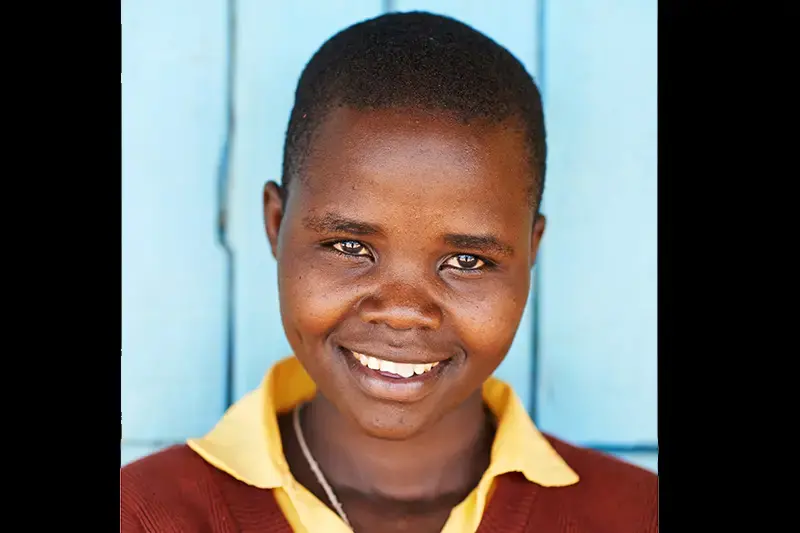
Pregnancy also increases the risk of child marriage. In Kenya, Pamela’s father tried to marry her off after she became pregnant. She fled. “If I ever go back home, he will kill me,” she said. But she is happy she escaped. Luca Zordan for UNFPA
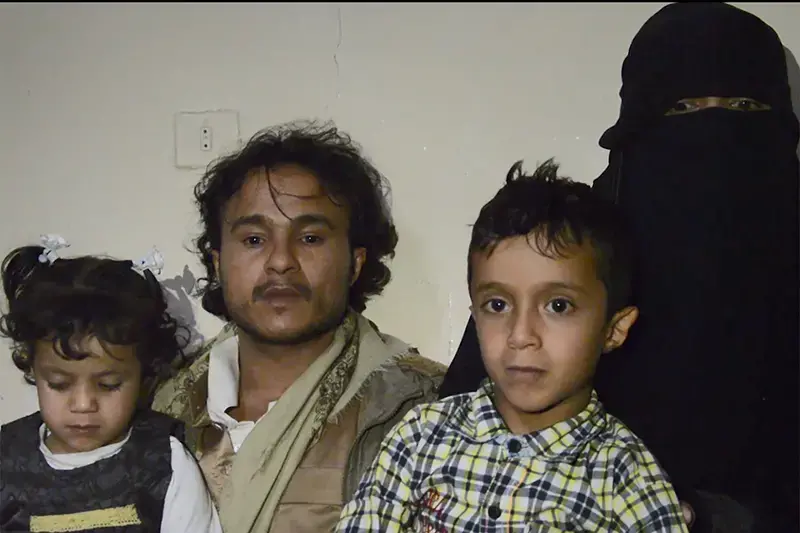
Boys are married off as well. “I was a child,” said this young man in Yemen, who was married at age 16. His wife was 13. “I could not make my own decisions. My father ordered me to marry, so I got married.” © UNFPA Yemen
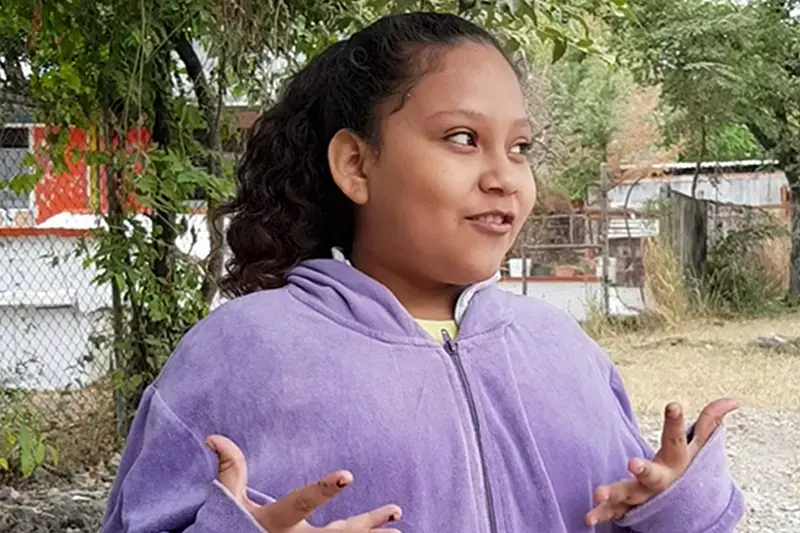
But empowering youth can help to end this practice. With knowledge about their reproductive health and human rights, young people can take a stand. “If I were married right now, I would not be ready,” said Yuridia, 11, in Mexico. © UNFPA Mexico
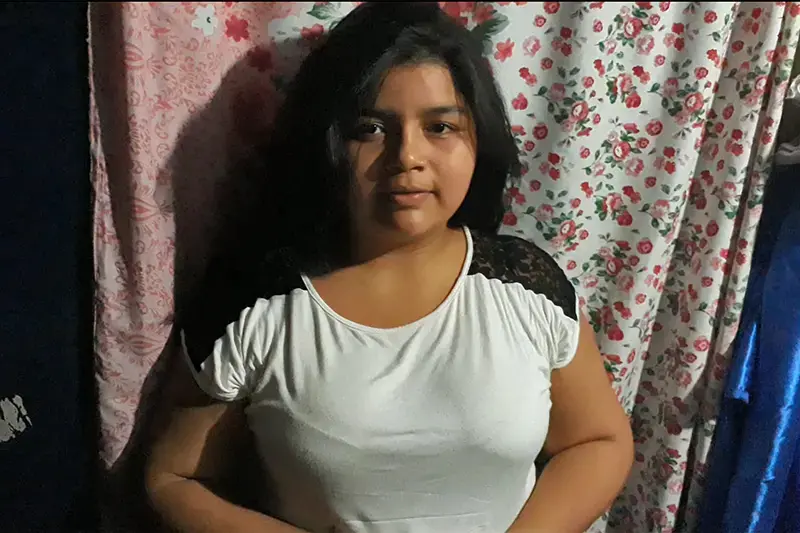
When they are empowered, girls can pursue dreams bigger than an early marriage. “I am not ready for marriage because I want to continue studying to be a professional,” said Maybelle, 15, in El Salvador. © UNFPA El Salvador
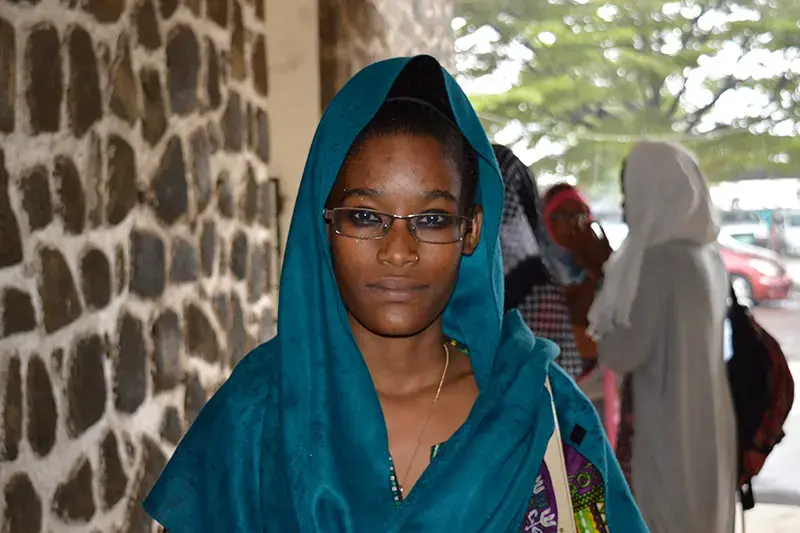
Informing children, and their communities, about the harms of child marriage can help mobilize a movement against it. “I think it’s not a good idea for young children to be married,” said Faina, 18. © UNFPA Comoros
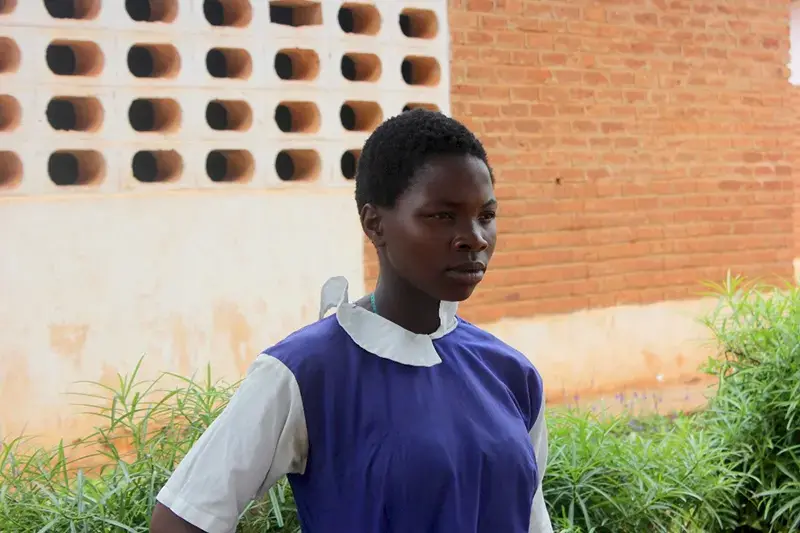
And families can make better choices. “When I fell pregnant, my mother refused [to have] me go and stay with the boy responsible. I think she made a good decision,” said Edna, 17. “Here at school, you dream of a better future.” © UNFPA Malawi
Danemark
Le classement des donateurs comprend les transferts entre agences onusiennes, qui sont la première source de revenus de l'UNFPA.
1
Effective 1 January 2022, UNFPA adopted a new revenue recognition policy; however, for the purposes of this website, information is presented based on previous policy to allow comparability of information across different years.
2024 | Accueil
Statistiques mondiales des donateurs
Statistiques mondiales des donateurs
Actualités

Actualités
RÉGION SOMALI, Éthiopie – Abeba Birhanu, une sage-femme de 46 ans, a passé plus de la moitié de sa vie à mettre des enfants au monde à l’hôpital Karamara à Jigjiga, la capitale de la région Somali, en Éthiopie. Année…
11 Novembre 2024
Lire l'histoire

Actualités
CISJORDANIE, État de Palestine – Dans le petit village de Al Uqban de Bethléem, Mariam Al Zeer, 55 ans, faisait la queue lorsqu’une équipe de soins de santé mobile est arrivée à la clinique. La clinique existante est…
04 Novembre 2024
Lire l'histoire

Actualités
Among Syrian refugees, dispelling myths about contraceptives
03 Janvier 2018
1
Actualités
Judges in Nicaragua learn to see the world through the eyes of vulnerable women
14 Décembre 2017
1
Déclaration
Ashley Judd, Ambassadrice de bonne volonté de l'UNFPA, nommée personnalité de l'année 2017 par le Time Magazine
07 Décembre 2017
1
Actualités
In Pakistan, empowering midwives to empower women
20 Novembre 2017
1