

UNITED NATIONS, Madagascar, Mozambique, and South Sudan – As climate change deepens existing gender inequalities, the ClimateEmpower programme is taking on the issue of climate vulnerability in Madagascar, Mozambique, and South Sudan. ClimateEmpower is spearheaded by UNFPA – the United Nations Population Fund, which is the sexual and reproductive health agency of the UN – and Zonta International, an international non-governmental organization.
UNFPA and Zonta International have been in a global partnership since 2008, supporting programmes on ending obstetric fistula, accelerating action to end child marriage, and preventing gender-based violence.
Recognizing that the scale and complexity of the climate crisis cannot be addressed by governments alone, the ClimateEmpower programme is designed to address these challenges by engaging communities, businesses, innovators, and local enterprises to strengthen climate resilience and advance gender equality. Below are five entrenched social challenges triggered by climate change, which the initiative is confronting head-on:
1. Climate-induced displacement and stress are fueling a rise in gender-based violence.
Social norms that accept or justify violence in marital or dating relationships remain deeply embedded across the three ClimateEmpower countries. In Madagascar, over 40 per cent of women report experiencing intimate partner violence, with about 41 per cent of women and 28 per cent of men believing wife-beating is justified. In South Sudan, intimate partner violence is normalized due to conflict, bride price practices and patriarchal control.
These attitudes are magnified under climate stress. In South Sudan, extreme weather events such as floods and droughts have disrupted livelihoods and forced displacement, intensifying intimate partner violence and sexual exploitation. A 50 per cent increase in gender-based violence incidents was noted in climate crisis-affected areas. For example, Lual, a gender-based violence prevention officer with International Medical Corps, tells UNFPA that “delay in fetching water, due to droughts exacerbated by climate change, leads to an increase in domestic violence, as women and girls are exposed to beatings by their husbands”.
In Mozambique, post-cyclone displacement has similarly increased exposure to violence, especially for women in informal settlements. By integrating gender-based violence prevention into climate action, ClimateEmpower is turning community dialogues into tools for both gender justice and resilience-building.
2. Extreme weather and economic instability are driving an increase in child marriage as a survival tactic.
The belief that a girl must obey her parents when it comes to marriage is particularly strong in rural and crisis-affected regions. In Mozambique, child marriage is normalized in many provinces — 56 per cent in Nampula and 61 per cent in Cabo Delgado — exacerbated by the ongoing conflict and recurrent climate-induced emergencies. In South Sudan, due to the risks associated with conflict and rampant poverty, parents opt to marry off their girls early to receive a higher bride price and to avoid adolescent pregnancies.
Droughts and floods also worsen household economic stress, further incentivizing early marriage. A youth specialist in Cabo Delgado, Mozambique, explained that young women in refugee camps face pressure when they are not married by a certain age: “When she requests support from parents, she receives an answer like, ‘You are an adult. It's your time to feed us. We can not continue to offer you soap and clothes. Please wake up!’”
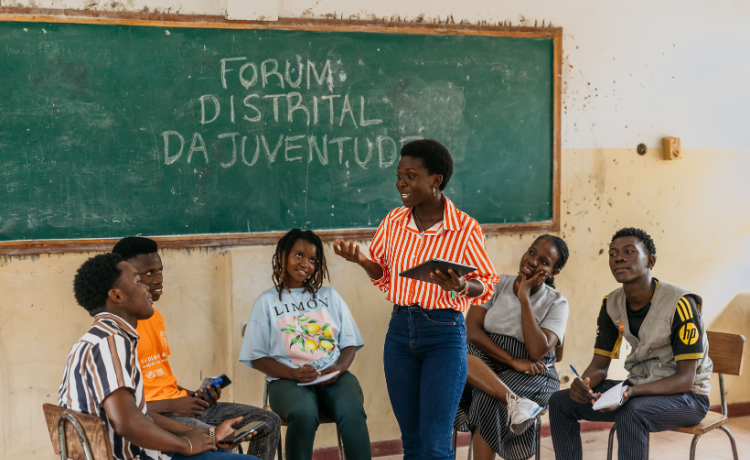
ClimateEmpower addresses this through youth-focused Climate Innovation HackLabs, particularly targeting girls and young women entrepreneurs and innovators, to grow and scale innovation ideas into commercially viable actions or solutions to address these vulnerabilities in their communities. For instance, it is supporting the Mozambican women-led enterprise BAAIKE, which repurposes fishing nets and plastic waste into bicycles, thereby offering women and girls in remote areas a sustainable and safe means to access essential services, including healthcare and school.
3. Drought and water scarcity are making safe menstrual hygiene management nearly impossible for millions.
In several project regions, people who menstruate face isolation or unsafe hygiene practices due to taboos that view menstruation as impure. These norms not only harm girls’ self-esteem and undermine access to education, they also impede access to water, sanitation, and health services – which are increasingly strained by climate change.
In Madagascar, where 95 per cent of women in vulnerable areas must travel over 30 minutes to fetch water, climate-induced drought makes menstrual hygiene management an even more serious concern. ClimateEmpower is working through women-led and youth-led solutions and education to address these intersecting vulnerabilities.
4. Food insecurity and crisis-driven poverty are leading to higher rates of adolescent pregnancy.
The notion that womanhood begins with motherhood pressures girls into early pregnancies and unions. In all three ClimateEmpower countries, adolescent fertility rates are high: In Mozambique, 36 per cent of girls become pregnant between the ages of 15 and 19. In South Sudan, this number is 30 per cent. The median age of sexual debut is 14 years, which increases the chances of adolescent pregnancies and death or disability from obstetric fistula or sexually transmitted infections, including HIV.
These pressures intensify in times of crisis. In Madagascar’s Grand Sud, for example, food insecurity is pushing adolescents into negative coping strategies, such as transactional sex, which can lead to early childbearing.
ClimateEmpower promotes alternative role models by establishing and supporting peer-led online and offline spaces for experience sharing, support seeking, and empowerment. The initiative also supports community advocacy and campaigns, encouraging girls to continue with education even if they have become pregnant or had a child.
5. Climate disasters are destroying health infrastructure and cutting off life-saving sexual and reproductive health services.
A pervasive belief across the region is that sexual and reproductive health services are only appropriate for married women. This restricts unmarried women and adolescents from accessing contraception and maternal healthcare, fueling cycles of unintended pregnancies and unsafe abortions.
Mozambique’s maternal mortality rate remains high (233 deaths per 100,000 live births), and climate disruptions, such as cyclones and prolonged droughts, have made maternal health services even less accessible. In South Sudan, maternal mortality remains one of the highest in the world (1223 per 100,000 live births), and climate-induced disasters make access to health services even scarcer.
ClimateEmpower is using community education and youth empowerment programmes to destigmatize sexual and reproductive health and make it inclusive, even for adolescents and unmarried women. These lessons are not just for women and girls. Involving men and local leaders is helping to dismantle presumptions and stigmas at all levels.
The programme shows that, even as the climate crisis takes a devastating global toll, the response does not have to be limited to environmental action alone. We can use the climate response as an opportunity to dismantle harmful norms that have held women and girls back for generations. Doing so is its own form of climate justice: Empowering women and ending gender-based violence will lead to better and bolder community resilience – and this will pave the way for more inclusive climate action.


