
1
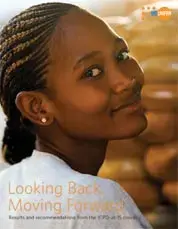
Publisher
UNFPA
Publication date
01 January 2011
Author
UNFPA
Number of pages
72

Annual Report
ICPD at 15 - Report
Looking Back, Moving Forward
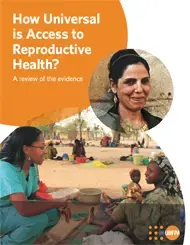
Publisher
UNFPA
Publication date
01 January 2010
Author
UNFPA
Number of pages
52
Publication
How Universal is Access to Reproductive Health?
A Review of the Evidence
1
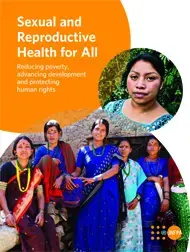
Publisher
UNFPA
Publication date
01 January 2010
Author
UNFPA
Number of pages
80
Publication
Sexual and Reproductive Health For All
Reducing Poverty, Advancing Development and Protecting Human Rights
1
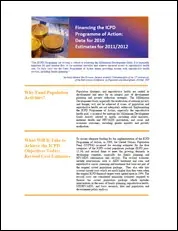
Publisher
UNFPA
Publication date
01 January 2013
Author
UNFPA
Number of pages
14
Publications
Financing the ICPD Programme of Action
Data for 2011 Estimates for 2012/2013, Projections for 2014
1

Publisher
Women Deliver in consultation with Family Care International and selected non-governmental organizations, individuals, and multilateral and UN agencies, including UNFPA.
Publication date
01 January 2009
Author
Women Deliver
Number of pages
22
Publication
Focus on 5
Women's Health and the MDGs
1
Publisher
UNFPA, Population Reference Bureau
Publication date
01 January 2009
Author
UNFPA, Population Reference Bureau
Number of pages
32
Publication
Healthy Expectations
Celebrating Achievements of the Cairo Consensus and Highlighting the Urgency for Action
1
Publisher
UNFPA
Publication date
Sep 1999
Author
UNFPA
Number of pages
76
State of World Population
State of World Population 1999
6 Billion: A Time for Choices
Women are having fewer children than ever before, and population growth has slowed from 2.0 to 1.3 per cent in 30 years. But large families in the recent past mean that there are many more women of childbearing age. Global population is still rising by about 78 million people a year. Half the world is under 25 and there are over a billion young people between 15 and 24, the parents of the next generation.
Publisher
UNFPA
Publication date
01 January 2013
Author
UNFPA
Number of pages
88
Publications
Financial Resource Flows For Population Activities in 2011
This report is intended to be a tool for donor and developing country Governments, multilateral organizations and agencies, private foundations and NGOs to monitor progress in achieving the financial resource targets agreed to at the ICPD. Development cooperation officers and policy makers in developing countries can use the report to identify the domestically generated resources and complementary resources from donors needed to finance population and reproductive health programmes.
Publisher
UNFPA
Publication date
01 January 2009
Author
UNFPA
Number of pages
44
Annual Report
UNFPA Annual Report 2008
1
Publication date
01 January 2002
Author
UNFPA
Number of pages
34
Annual Report
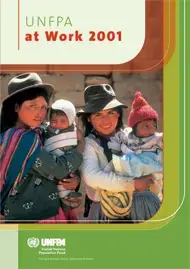
UNFPA Annual Report 2001
Working with both women and men, we continued the effort during 2001 to eliminate violence against women and the discrimination that limits the potential of individuals and nations. Our role in human development, mandated by the United Nations and globally endorsed at the ICPD, is to improve the reproductive health of women, men and young people in the poorest countries?and in so doing, to bring about a more equitable world.