The multiple crises facing millions of women and girls as Pakistan reels from worst flood in its history
19 Oct 2022

A nurse cleans a newborn baby delivered by caesarean section at the UNFPA-supported Al-Farabi hospital in the Thatta district of Sindh province. “When crisis hits, women do not stop getting pregnant and giving birth,” said UNFPA Executive Director Dr. Natalia Kanem in a statement

UNFPA is appealing for $31.6 million in funding to expand its emergency response to provide life-saving services and essential supplies, as well as protection services to support women and girls in Pakistan.

Learn more about the compounding crises which endanger women and girls amid Pakistan’s unprecedented flooding here.

© UNFPA/Shehzad Noorani
A nurse tends to a newborn baby.
Sitting in front of the rubble of her home, Baharah, 20, swings two-year-old Faraz Ali to sleep in the Shikarpur district of Sindh province. She got married four years ago, at the age of 16 and has two young children. “The village flooded and water started to enter our home,” she told UNFPA. “We were afraid and didn’t know what to do. Suddenly the house collapsed and a wall fell on my son, Soonh.” Both children were injured, but Soonh, who was just two months old, was in critical condition. “It was difficult because of the rain, but we ran to the hospital. There were many people and everyone was screaming. We waited for hours. Finally, doctors saw him and admitted him to the hospital, but he died within three hours.”
© UNFPA / Shehzad Noorani
The family of a baby delivered by caesarean section celebrates at the UNFPA-supported Al-Farabi hospital in Sindh province. With more than 740 health facilities damaged in Sindh province and affected districts in Balochistan, UNFPA is working with partners on the ground to prioritize continued availability of and access to life-saving reproductive health services in affected areas.
© UNFPA / Shehzad Noorani
“I had been in pain for days, but when it became intolerable and I started to bleed and fainted, the elders decided to take me to the hospital in a tuk tuk.” Sita, 30, had given birth just five days earlier to baby Kinayat in the village of Ghulam Shabbir Kaladi in the Khairpur district of Sindh province. A traditional birth attendant sat with her on the way, but she went into labour during the journey and delivered on the side of the road. The birth attendant cut the cord with a blade and cleaned the baby with a cloth. Sita is one of some 650,000 pregnant women whose lives and well-being have been jeopardized by the flooding disaster in Pakistan, and who are in need of urgent reproductive health services. UNFPA is providing training and supplies to help women access skilled birth attendants and medical supplies as the country reels from the destructive floods.
© UNFPA / Shehzad Noorani
UNFPA-supported mobile health clinics are providing critical services to women and children during the crisis. In case of medical emergencies for pregnant women, the clinic has an ambulance that transports them to hospitals that are equipped to deal with both regular and complicated deliveries, including caesarean sections. Zeenat and her four children lost their home to the floods and now live in a tent on the bank of the river while they wait for the floodwaters to recede.
© UNFPA / Shehzad Noorani
Sitting outside a tent by the side of a highway, a woman prepares breakfast for her family near the village of Mullah Hussain Sahro in the Dadu district of Sindh province. Villages in the Dadu district are some of the worst affected by the floods, with most people unable to commute, work or access essential services. Water has started to recede in some areas but standing pools of water breeds millions of mosquitoes. Many families that survive on daily wages remain out of work due to the massive damage to the infrastructure and agriculture fields. People are suffering from diseases like malaria, diarrhoea, malnutrition and dehydration. Pakistan is one of the countries that contributes the least to climate change yet is suffering some of the most devastating fallout.
© UNFPA / Shehzad Noorani
Nadia, 20, holds her newborn son Dildar in a makeshift shelter on an embankment in Johi Taluka, in Sindh Province. Dildar was born during the floods, and Nadia lives with her husband Zulfiqar and their children on the embankment waiting for flood waters to recede so they can return to their village. Telling the story of the night she delivered Dildar, Nadia said, “It was raining really hard. I was in pain and my water broke so my mother-in-law decided to take me to the doctor. The hospital was one hour away by rickshaw. I suffered from pain for the whole night and gave birth in the morning. The baby was underweight and showed signs of pneumonia, so he was kept in an incubator. I had been told I would probably have to deliver by caesarean section, otherwise we would have called the traditional birth attendant: It’s very expensive to go to hospital.”
© UNFPA / Shehzad Noorani
Gohar Khatoon, 20, sits with her four-month-old son Karim Buksh, and her other two children, Irum, 3, and Younus, 2, in their flood-damaged home in Sindh province. Most of the homes in her area were completely destroyed. As the water has started to recede, villagers have returned to try to rescue what they can. More than 170,000 women affected by the floods will give birth in the next year and are in dire need of health services, trained midwives and supplies to ensure a safe birth and critical postnatal care.
© UNFPA / Shehzad Noorani
Zameera is 22 years old and 6-months pregnant. A nurse checks her blood pressure at a UNFPA-supported mobile medical camp, which was hastily built on the banks of a river in Goth Ramzan Mollah in the Sujawal district, Sindh province. With a focus on antenatal care, the mobile clinic provides essential and emergency medical services to women and children displaced by the flooding. In cases of medical emergencies for pregnant women, the clinic has an ambulance to transport them to hospitals with facilities for regular and complicated deliveries, including caesarean sections.
© UNFPA / Shehzad Noorani
Guddi sits with 8-month-old Akshara and her two other daughters outside their home in the village of Ghulam Shabbir Kaladi in the Khairpur district of Sindh Province. Akshara is suffering from severe acute malnutrition and was taken to a clinic to be treated. She still had a cannula attached to her hands so she could be given medication quickly when needed again. When asked if she is breastfeeding Akshara, she replied, “Do you think I have anything in me to feed her?” Even before the floods, Pakistan had one of the highest rates of maternal mortality in Asia – this is now likely to rise further still as women lose access to health care and conditions such anaemia – a leading cause of maternal death in the country – soar with malnutrition.
© UNFPA / Shehzad Noorani
Rani, 14, collects water from a hand pump by her home in Shikarpur district, Sindh province. One of 11 children, she told UNFPA, “No one in my family has ever gone to school. My father and three brothers work as labourers and still cannot earn enough to pull us out of poverty. Our lives were miserable anyway, and now the flood has created yet more havoc. There is less work, but we try. I will never have so many children.”
© UNFPA / Shehzad Noorani
Zaib is three months pregnant and suffering from malaria. Her husband Ahmad tries to comfort her while holding their three-year-old son Zoya. The family are currently living in a temporary shelter Ahmad built on the side of a road after the flooding destroyed their home in the Shikarpur district, Sindh province. Where possible, pregnant women are being treated in temporary camps.
© UNFPA / Shehzad Noorani
Holding her newborn baby, Guddi, 36, sits with all her six children on a charpai in her one-room mud home in the village of Rasool Buksh Channa in the Khairpur Mirs District of Sindh province. The baby was born during the height of the flooding crisis and delivered by an village traditional birth attendant. Guddi works picking cotton in fields near her home. She worked until the rain started and had to stop due to heavy rain followed by floods. She said,“Everyone has been out of work since the floods, but we still have to find a way to feed our children. We will have to somehow pass these difficult times and survive.”
© UNFPA / Shehzad Noorani
Many pregnant women in remote areas have no access to skilled medical care and rely on traditional birth attendants like Bashiran, 40, who is the only birth attendant in her village. She has received no formal training on safe deliveries but has assisted over 200 births. Sitting on the rubble of her destroyed home in the village of Ghulam Shabbir Kaladi in Sindh province, she told UNFPA, “It started to rain a lot. When it entered our homes we ran for higher ground around the village. We could not take anything. The children were crying and screaming from hunger. No one came to help.”
© UNFPA / Shehzad Noorani
Villagers in Pakistan’s Khairpur Mirs District in Sindh province cross flooded land to get to their homes. Over 30 million people have been affected by the unprecedented flooding and 6.4 million are in need of urgent humanitarian assistance. Up to five times the 30-year average rainfall swept away homes, health centres, schools and dams within minutes, leaving millions of families displaced. As in any crisis, women and girls are the hardest hit. Many people are taking refuge in unsanitary, cramped and temporary shelters that have limited access to basic services, increasing the risk of a major public health crisis.
© UNFPA / Shehzad Noorani

News

Health and violence risks multiply for women and girls in Kenya as worst drought in 40 years takes hold

calendar_today17 October 2022

Women attend a UNFPA-supported integrated community health outreach session on prevention and response to gender-based violence. Lokapararai village, Turkana county, Kenya. © UNFPA Kenya
1

Publication date

Oct 2022

Author

UNFPA

Resources

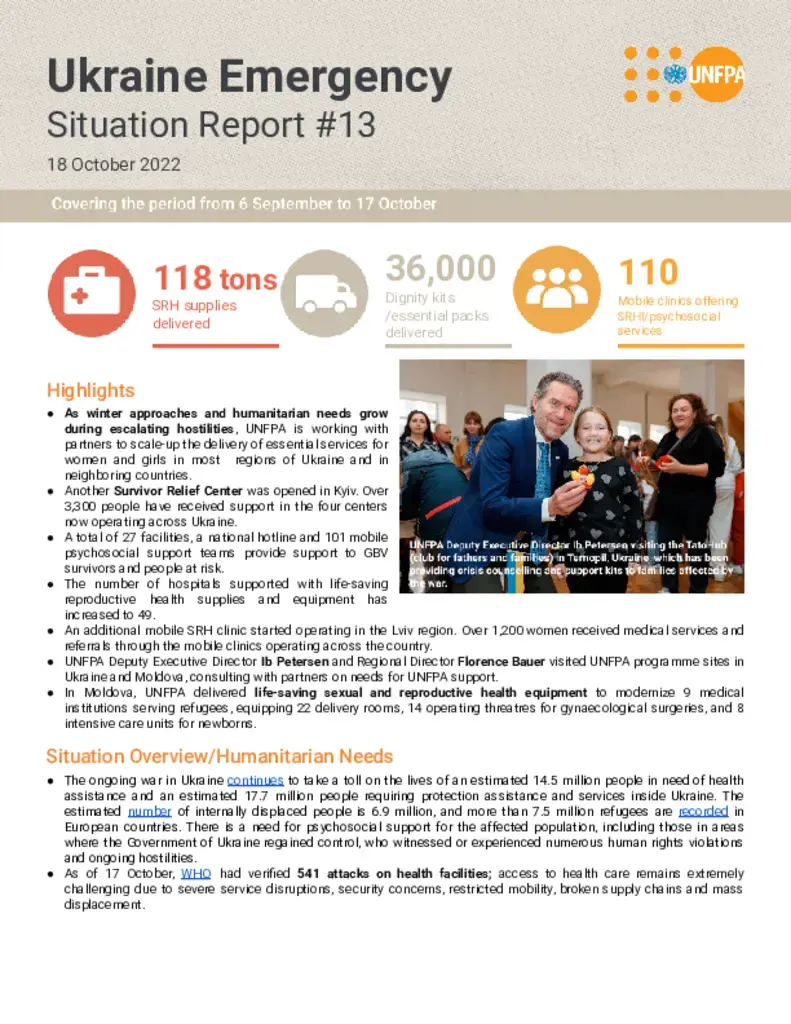
Ukraine Emergency Situation Report #13 - 18 October 2022

1

News

Compounding crises endanger women and girls amid Pakistan’s unprecedented flooding

calendar_today19 October 2022

Guddi sits with 8-month-old Akshara and her two other daughters outside their home in the village of Ghulam Shabbir Kaladi in the Khairpur district of Sindh Province. © UNFPA / Shehzad Noorani
1

News

Soaring violence, fuel crisis and a cholera outbreak: Haiti in the grip of a “humanitarian catastrophe”

calendar_today13 October 2022

Women carry containers of propane gas during a demonstration in Port-au-Prince. Protests and looting have rocked an already unstable situation since fuel price hikes were announced in early September, with three–quarters of hospitals reported to be closed and essential services dangerously undermined across the country. © RICHARD PIERRIN/AFP via Getty Images
1

Press release

Women and girls among those most impacted by Haiti’s multiple crises

calendar_today13 October 2022

1

Baseline and evaluability assessment on generation, provision and utilization of data in humanitarian assistance

A visual with the text 'Baseline and evaluability assessment on generation, provision and utilization of data in humanitarian assistance'

Document date: 2022

Evaluation type: Global

Region: n/a

Joint evaluation: n/a

System-wide evaluation: n/a

Download resources

Conflicts, natural disasters caused by climate change, and the COVID-19 crisis have escalated humanitarian needs, with an adverse effect on women and girls. As part of its ongoing humanitarian response, UNFPA is increasingly contributing to the generation, provision and utilization of humanitarian data, for informed decisions and accountability, to reach the furthest behind. 

A baseline study and evaluability assessment have been conducted, to lay the groundwork for a forthcoming centralized evaluation of the UNFPA support to data for humanitarian action, and to determine its scope and technical feasibility. 

This study also takes stock of the strategic positioning of UNFPA, provides a comprehensive mapping of UNFPA supported interventions and proposes key building blocks for the development of a theory of change for the work of UNFPA in the field of humanitarian data. 

The study also provides short term ‘options for action’ for UNFPA Humanitarian Office and other business units to consider with regard to humanitarian data. 

For further information on the study, please contact Hicham Daoudi at daoudi@unfpa.org.

Evaluation documents

Evaluability assessment report

Updates

The European Union contributes €9.4 million to help vulnerable women and girls in Yemen

calendar_today04 October 2022

Aisha, a pregnant internally displaced person (IDP) at a clinic in Ammar Bin Yasser camp in Yemen. New funding from the European Union will support the provision of emergency relief supplies among IDPs. © UNFPA/Alaa Noman
1

News

Women and girls in Pakistan need urgent health and protection services amid epic flood disaster

calendar_today21 September 2022

Two girls displaced by torrential monsoon rains and flash flooding in Pakistan sit by the roadside with the remains of their belongings in Khairpur Mirs, Sindh province. Among those affected by the emergency are nearly 130,000 pregnant women in need of urgent health services – more than 42,000 of whom are due to give birth in the next three months. © UNFPA Pakistan/Kashif Ahmed Memon
1

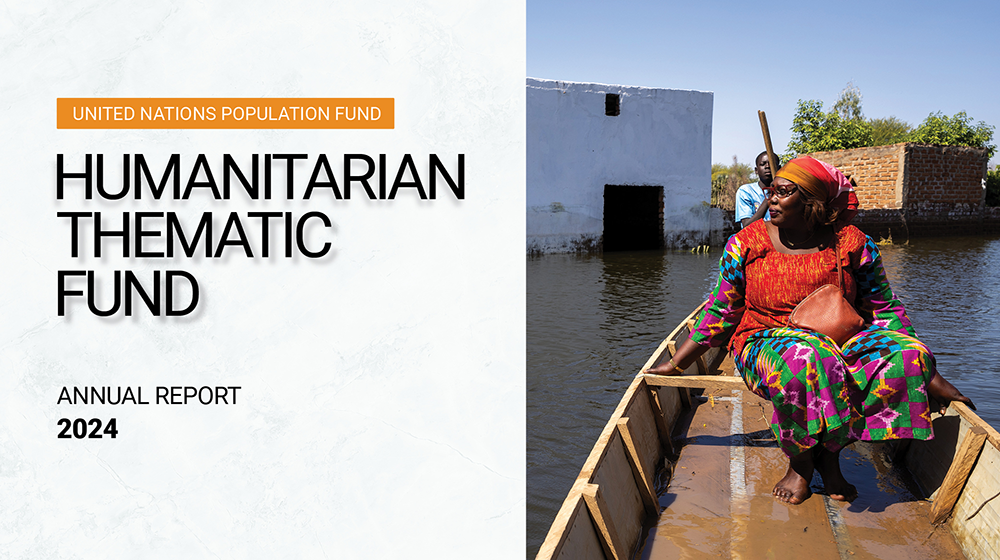
What is the Humanitarian Thematic Fund?

The fund operates in line with UNFPA’s commitment under the Grand Bargain; an agreement among humanitarian aid donors and agencies to deliver flexible financing, reduce administrative costs, simplify reporting requirements, and enhance engagement between humanitarian and development actors. As an expedited, quality-assured, emergency funding mechanism, the HTF backs response and preparedness efforts. It helps country offices close critical funding gaps that are not met through regular or bilateral financing. Financed by governmental and private donations, the HTF allows UNFPA to act quickly and efficiently, wherever humanitarian need arises.

Why invest in the fund?

The HTF offers the following set of advantages, making it the preferred mechanism for investing in UNFPA humanitarian action:

  • Faster deployment of resources: Once the contribution has been received by the HTF, resources can be allocated to any emergency response in as little as 24-48 hours. This is a much faster turnaround when compared to creating individual funding agreements for each emergency.
  • Increased flexibility and adaptability: HTF funds are allocated to countries dynamically throughout the year, allowing the deployment of resources when and where they are needed. Unspent HTF resources can be easily re-deployed to a different response when deemed necessary.
  • Streamlined reporting: The burden of reporting is greatly reduced when working with HTF resources. One consolidated and comprehensive report is issued by UNFPA on a yearly basis, taking stock of all HTF funded interventions.
  • Reduced indirect cost rate: Because of the reduced overhead structure of the HTF, the indirect cost rate applicable to HTF contributions is 7%, which is lower than the standard 8% applied to bilateral funding agreements.
  • Robust workflow and quality assurance mechanism: HTF allocations to humanitarian interventions follow an established workflow whereby UNFPA country offices submit short proposals which are assessed by technical experts in the Regional Office and Humanitarian Office. Recipient countries receive technical assistance and monitoring support throughout the implementation of the HTF-funded programme activities.
2024 Summary

In 2024, the Humanitarian Thematic Fund continued to enable UNFPA to deliver rapid and life-saving responses worldwide. A total of $48.6 million was allocated for time-critical and life-saving humanitarian support in 37 countries (including regional offices). The contributions to the HTF totalled around $44.1 million, with the top six contributors being Sweden, Norway, Germany, Ireland, Republic of Korea and Canada. 

HTF Recipients in 2024

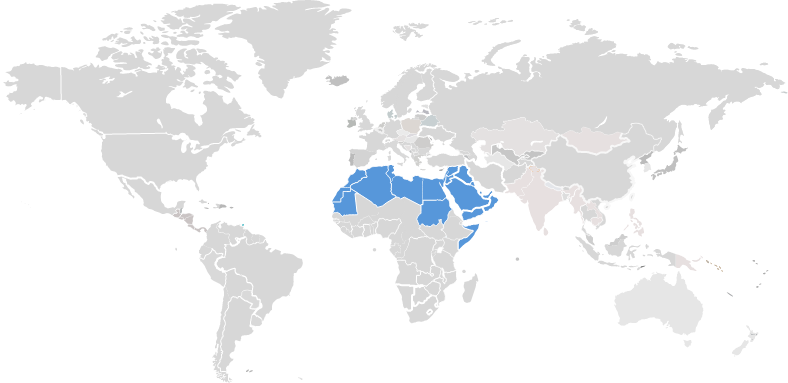
Arab States

Humanitarian Thematic Fund > HTF Recipients

8

View Funding

Arab States

Country Highlights
  • Occupied Palestinian Territory

    Occupied Palestinian Territory
    Building on efforts from 2023, funding from the HTF and Emergency Fund enabled UNFPA Palestine to deliver critical, life-saving interventions across Gaza and the West Bank. Over 40,000 individuals accessed sexual and reproductive health (SRH) services, including maternity care through expanded services at Al Awda Hospital, mobile medical teams, postpartum visits in shelters, and adolescent-focused services in schools and youth-friendly clinics. The deployment of containerized maternity clinics and essential supplies helped address severe gaps in healthcare access. In parallel, more than 8,500 individuals received GBV prevention and response support, including through dignity and menstrual hygiene kit distribution, cash assistance, and the expansion of mobile safe spaces. UNFPA also partnered with local organizations to strengthen shelter services for GBV survivors.

    Several HTF-supported initiatives focused on adolescents and youth, combining capacity building with direct service delivery. These included the development of a pocket guide for youth in humanitarian settings, implementation of youth-led initiatives, and provision of psychosocial support and comprehensive sexuality education. Youth groups received training in emergency preparedness and mental health first aid, while the Y-PEER network mobilized activities across Jerusalem and Gaza. Digital platforms such as the Mostashari virtual health service and Shubbak Al Shabab helpline continued to ensure youth access to SRH services, complemented by educational television content to reach adolescents in remote areas. With additional contributions in 2025, UNFPA is scaling up its Gaza response to sustain health services, expand protection, and uphold the dignity and rights of women and youth amid ongoing conflict.

  • Sudan

    Sudan

    In 2024, Sudan experienced significant shifts in the conflict, with the Rapid Support Forces (RSF) capturing large areas and advancing toward key towns like Damazine and Gedaref during the first three quarters of the year. In response, the Sudanese Armed Forces began regaining control in the south and central regions by the end of the year. RSF attacks increasingly targeted civilian infrastructure with drones, including electricity plants and agricultural facilities, exacerbating already dire conditions. These developments triggered mass displacement, deepened humanitarian needs, and further constrained access. Despite limited media coverage, Sudan’s crisis was considered one of the world’s worst in 2024, with 12 million people displaced and at least 20 famine pockets in the west and south by December. A famine prevention plan was launched in April 2024 to scale up life-saving interventions.

    With support from the HTF, UNFPA strengthened its supply chain through Chad to deliver assistance into Darfur, creating a critical pipeline that bypassed frontline access challenges. The fund enabled the establishment of independent warehousing and a dedicated logistics team, alongside the recruitment of key staff including specialists in SRH, mental health, clinical management of rape, access, and supply. The HTF also made it possible to procure essential supplies for newly accessible areas like Gezira and Khartoum and respond in underfunded displacement zones such as Ad Dabbah. These investments have allowed UNFPA to expand its reach and deliver essential services in one of the most complex and under-resourced humanitarian settings globally.


  • Lebanon

    Lebanon

    The humanitarian crisis in Lebanon deepened significantly following the escalation of hostilities in late 2023 and continued conflict through late 2024, leading to the displacement of one million people and the disruption of essential services. In response, over $1 million from the HTF was mobilized to complement support from the Emergency Fund and bilateral donors. These resources enabled key preparedness and response efforts, including stocking and distribution of dignity kits for displaced women and girls, GBV training for frontline workers, and deployment of surge support through a humanitarian coordinator, security advisor, and a UNFPA Emergency Response Team mission. The HTF also financed a GBV coordinator to strengthen coordination within the GBV Working Group.

    Crucially, HTF support enabled partnerships with two women-led local organizations to deliver GBV services, such as case management, psychosocial support, and cash assistance in Bekaa and Baalbek. The fund also supported awareness-raising activities on GBV and PSEA in collective shelters and host communities. In the area of sexual and reproductive health, displaced women received midwifery care, SRH information, and access to institutional deliveries, including C-sections, alongside cash assistance and baby kits. The HTF further funded mental health and psychosocial support services and enabled the restoration of damaged healthcare infrastructure through emergency obstetric training, the distribution of IARH kits, and the provision of essential medical equipment to government health centres. These efforts helped restore access to life-saving SRH services for vulnerable populations amid ongoing instability.

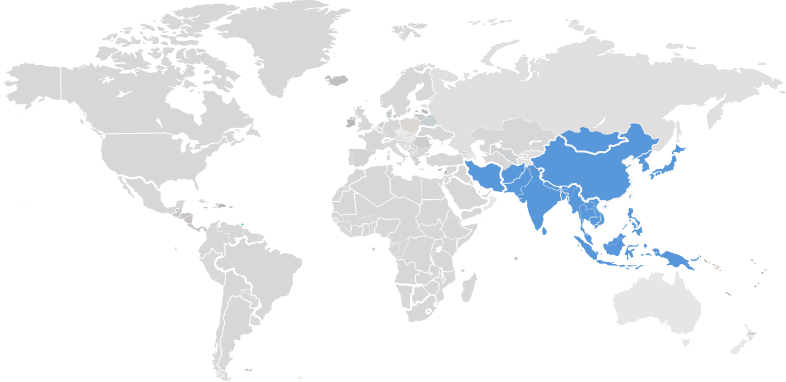
Asia & the Pacific

Humanitarian Thematic Fund > HTF Recipients

6

View Funding

Asia & the Pacific

Country Highlights
  • Myanmar

    Myanmar

    The escalation of armed conflict and deteriorating security in Myanmar since October 2023 has led to a sharp rise in humanitarian needs, with over 3.1 million people displaced by mid-2024 and 18.6 million identified as requiring assistance. The conflict has severely restricted access to affected areas, particularly in regions like Kachin, the South-East, and Rakhine State, where the monsoon season has further compounded operational challenges. Territorial shifts among armed actors have created volatile conditions, making it increasingly difficult to deliver aid to women and girls in need.

    To address these challenges, HTF funding has been instrumental in scaling up UNFPA’s humanitarian response, complementing Emergency Fund resources starting in June 2024 and continuing into 2025. The HTF has supported the procurement and distribution of 19,500 dignity kits and 9,000 clean delivery kits, with additional support from local partners procuring menstrual hygiene items or providing cash for dignity items closer to the point of need. These distributions are often linked to broader GBV programming, providing information on services and PSEA. In coordination with initiatives like the Joint Ceasefire Monitoring Committee, UNFPA has delivered aid in ethnic armed group-controlled areas using a ‘no-regret’ frontline response approach. As of early 2025, HTF-funded activities have expanded to include support for the response to the March 2025 earthquake, reinforcing the fund’s critical role in addressing both ongoing and sudden-onset crises in Myanmar.


  • Bangladesh

    Bangladesh

    In 2024, Bangladesh was hit by devastating floods across several eastern districts, including Sylhet, Chittagong, and the Chittagong Hill Tracts. The Feni district was among the hardest hit, with near-total submersion and isolation due to damage to roads and communications infrastructure. UNFPA estimated that 1.6 million women of reproductive age were affected, including over half a million adolescent girls and approximately 80,000 pregnant women. Immediate needs included basic non-food items and urgent protection measures, especially in evacuation centres where the safety of women and girls was at risk. With most health facilities flooded, access to essential health services was severely limited.

    HTF funding enabled UNFPA to scale up its humanitarian response, filling critical gaps in Feni, Noakhali, Khagrachhari, and underserved areas like Cumilla city. The fund supported SRH and GBV coordination, deployed midwives, and provided mental health and psychosocial services. It also enabled the delivery of 500 baby kits, 15 emergency SRH mobile camps, and menstrual health support for 3,700 adolescent girls. In the area of GBV response, the HTF funded the distribution of 2,000 dignity kits and provided unconditional cash to 4,000 women, including transgender women. Additional interventions included the dissemination of life-saving GBV information, strengthening local service providers, remote and in-person GBV case management, and conditional cash assistance to prevent child marriage and keep girls in school. These targeted efforts helped protect the health, rights, and dignity of women and girls during a time of acute vulnerability.

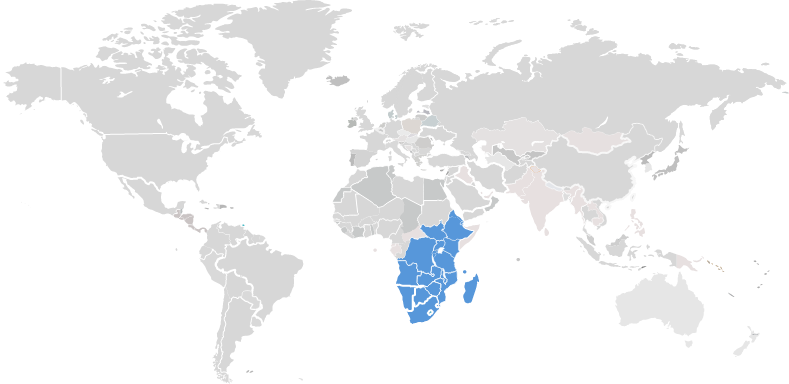
East & Southern Africa

Humanitarian Thematic Fund > HTF Recipients

6

View Funding

East & Southern Africa

Country Highlights
  • South Sudan

    South Sudan

    In 2024 and into 2025, the HTF has supported two major humanitarian responses in South Sudan: delivering integrated SRH-GBV services to Sudanese refugees and host communities, and responding to climate-induced emergencies such as alternating floods and droughts in Rubkona, Pibor, and Aweil East counties. Following the outbreak of conflict in Sudan in April 2023, South Sudan has received more than 460,000 refugees, with an additional 90,000 people in host communities requiring urgent support. The compounding impact of climate shocks has further exacerbated vulnerabilities and humanitarian needs across the country.

    HTF and Emergency Fund contributions have enabled UNFPA to sustain life-saving interventions through mobile and static service delivery, women- and girl-friendly spaces, one-stop centres, and safe houses. The funding also supported the procurement and distribution of IARH and dignity kits and reinforced UNFPA’s leadership role in GBV coordination at both national and sub-national levels. As the crisis continues to deepen in 2025, with over two-thirds of the population in need, HTF-supported activities remain critical. The healthcare system is under severe strain, and ongoing conflict continues to disrupt access to maternal health and GBV services, making flexible, sustained funding more essential than ever.

  • Uganda

    Uganda

    Uganda, Africa’s largest refugee-hosting country, is home to more than 1.8 million refugees and asylum seekers from across the region, including Sudan, South Sudan, the Democratic Republic of the Congo, and others. In 2024, the number of arrivals increased due to worsening crises in neighbouring countries, placing additional strain on an already overstretched humanitarian response. Gaps in coverage and quality of essential services continue to widen, particularly in refugee settlements and surrounding host communities.

    With support from the HTF and the Emergency Fund, UNFPA strengthened service delivery in 2024 through the establishment of outreach posts in Kiryandongo refugee settlement and host communities. This included the deployment of midwives, medical officers, volunteer health workers, and interpreters to eight health facilities. Key interventions included the distribution of 1,630 menstrual health management kits and 1,250 dignity kits, 428 emergency obstetric referrals via 24/7 ambulance services, and cash voucher assistance for 1,200 beneficiaries. Capacity-building efforts reached hundreds of healthcare providers, community leaders, and stakeholders through trainings on SRH, GBV, clinical management of rape, mental health and psychosocial support, and protection from sexual exploitation and abuse. Three women- and girl-friendly safe spaces were also established, benefiting more than 6,000 women and girls with access to protection, information, and support services.

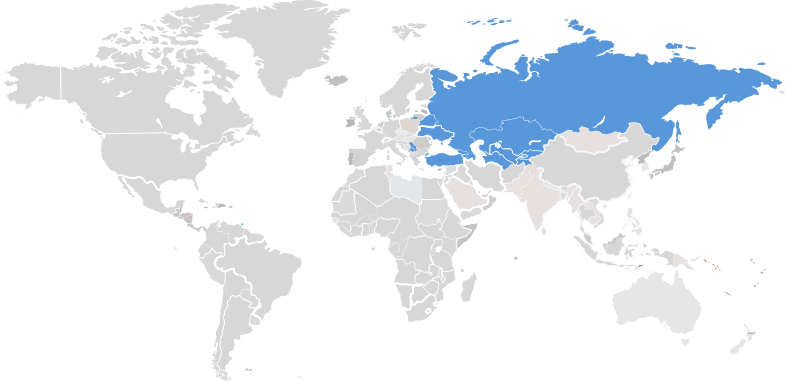
Eastern Europe & Central Asia

Humanitarian Thematic Fund > HTF Recipients

6

View Funding

Eastern Europe & Central Asia

Country Highlights
  • Ukraine Regional Crisis

    Ukraine Regional Crisis

    The conflict in Ukraine intensified throughout 2024, compounding an already dire humanitarian situation. With over 2,000 attacks on healthcare facilities since February 2022, the system is under immense strain, endangering the lives of patients and health workers alike. Widespread power outages, psychological distress from ongoing shelling, and rising living costs have created a crisis within a crisis. By December 2024, approximately 6.8 million people had fled Ukraine, with 93 per cent hosted in European countries, while 3.7 million remained displaced within Ukraine. As needs escalated, UNFPA responded across affected regions, including Moldova, Belarus, and EU neighbouring countries, with significant support from the HTF. 

    In Moldova, where over 110,000 Ukrainian refugees reside, UNFPA delivered robust GBV and SRH services through a network of 32 static and mobile Safe Spaces, reaching over 110,000 unique users since the start of the war. In 2024 alone, more than 8,000 individuals accessed tailored GBV response services, while nearly 20,000 participated in prevention initiatives. UNFPA also trained over 1,000 frontline service providers and social workers in survivour-centred approaches and expanded access to health services by equipping perinatal centres, delivering ambulances, modernizing clinics, and deploying mobile gynaecological units. In EU neighbouring countries such as Poland, Romania, and Slovakia, HTF funding enabled continued GBV and SRH services for Ukrainian refugees, in partnership with local civil society and women-led organizations. Innovative tools like the SafeYou app were launched in Romania and Poland, while a major GBV awareness campaign in Slovakia reached approximately one million people. At the regional level, UNFPA continued to play a leadership role in coordination platforms and technical support, helping to ensure a consistent, high-quality response across multiple countries impacted by the Ukraine crisis.

  • Armenia

    Armenia

    The Nagorno-Karabakh crisis led to the arrival of thousands of refugees in Armenia at the end of 2023, a situation that further deteriorated in 2024. With more than half of the refugee population being women and girls, the demand for SRH services — including obstetric care, contraception, and the prevention and treatment of HIV and other STIs — rose significantly. UNFPA responded through funding from the HTF and Emergency Fund, working closely with the Ministry of Health to ensure that SRH services aligned with national priorities. Beyond medical care, UNFPA placed a strong emphasis on mental health and psychosocial support for women and girls, recognizing the trauma many had endured. A network of certified trainers was established through a training-of-trainers initiative on the Minimum Initial Service Package, which enabled widespread capacity-building efforts across Ararat, Vayots Dzor, Tavush, and Gegharkunik regions. Additional refresher trainings were delivered to regional obstetrician-gynaecologists and midwives on emergency obstetric and neonatal care.

    To strengthen trauma-informed care, UNFPA also trained 137 SRH service providers in psychological first aid and stress self-management techniques. Through partnerships with local mental health organizations, refugees received direct psychological support, psychiatric consultations, and referrals for specialized care. UNFPA distributed IARH kits to key SRH facilities to maintain service continuity, and, in collaboration with Armenian Progressive Youth, provided cash and voucher assistance to over 2,000 pregnant and lactating women. The assistance package included pharmacy vouchers and information materials on breastfeeding, parenting, GBV prevention, STI protection, and safeguarding against sexual exploitation and abuse. These integrated efforts helped ensure that both refugees and host communities had continued access to comprehensive, quality SRH care during an increasingly complex humanitarian emergency.

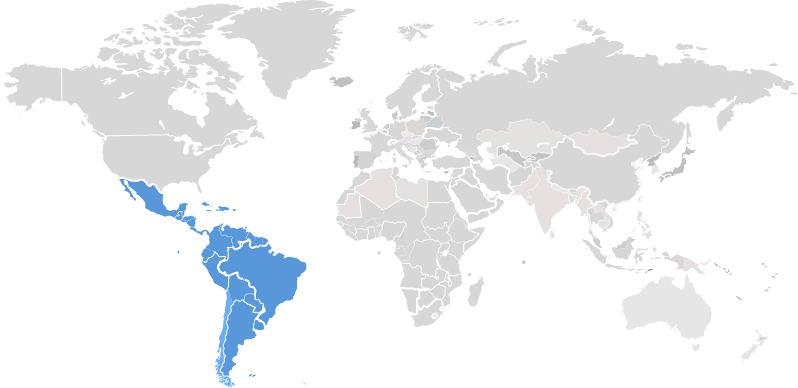
Latin America & the Caribbean

Humanitarian Thematic Fund > HTF Recipients

2

View Funding

Latin America & the Caribbean

Country Highlights
  • Haiti

    Haiti

    Haiti continued to experience overlapping political, security, and humanitarian crises throughout 2024. The country’s recovery from the 2010 earthquake remains incomplete, while escalating gang violence — particularly in Port-au-Prince — has paralyzed daily life, disrupted fuel deliveries, and triggered widespread displacement. Insecurity, including kidnappings and killings, has become commonplace, with women and girls facing heightened risks of GBV in displacement sites and vulnerable urban areas. The humanitarian situation in the capital continues to worsen as displacement increases and access to essential services remains severely limited.

    With support from the HTF, UNFPA scaled up its response by deploying GBV mobile teams, strengthening SRH and GBV services in nine health facilities, establishing four women’s safe spaces, and providing cash assistance and dignity kits. More than 14,200 people received SRH services, including 4,000 adolescent girls, and 3,700 births were assisted. Ten mobile clinics operated in displacement sites, and over 11,000 individuals accessed family planning services. UNFPA also trained 34 medical staff in emergency obstetric and newborn care and the Minimum Initial Service Package. On the GBV front, over 12,500 people received survivour-centred services, and more than 21,000 were reached with awareness-raising activities. UNFPA’s efforts prioritized reaching displaced populations and GBV survivors in high-risk areas such as Port-au-Prince, Artibonite, and the Northern and Southern departments, ensuring access to life-saving care and protection despite extreme operational challenges.

  • Cuba

    Cuba

    In the aftermath of Hurricanes Oscar and Rafale, which struck Cuba just weeks apart in late 2024, HTF funding enabled the country office to deliver critical SRH services to communities impacted by widespread flooding, landslides, and infrastructure damage. Hurricane Oscar hit four municipalities in Guantanamo province amid an ongoing electricity crisis, while Hurricane Rafael battered nine municipalities in Artemisa and Mayabeque provinces with winds up to 185 km/h. Both storms caused significant disruption to housing, health, and social services, as well as water and power systems, creating urgent humanitarian needs, particularly for women and girls.

    In coordination with the United Nations system’s health cluster response, UNFPA supported the revitalization of essential SRH services in ten primary healthcare facilities and six referral hospitals across 16 municipalities in the hardest-hit provinces. This included the procurement and distribution of 130 IARH kits, essential for managing obstetric complications, treating STIs, preventing unintended pregnancies, and supporting clinical care for survivors of sexual violence. In addition, 900 dignity kits were distributed to meet the hygiene needs of women, adolescents, and vulnerable groups. Twenty healthcare workers and decision-makers were trained on the Minimum Initial Service Package (MISP) to enhance emergency SRH response capacity. The HTF’s flexible support enabled UNFPA to act swiftly in the early stages of the crisis while other funding sources, such as CERF and the European Union, were being mobilized.

West & Central Africa

Humanitarian Thematic Fund > HTF Recipients

9

View Funding

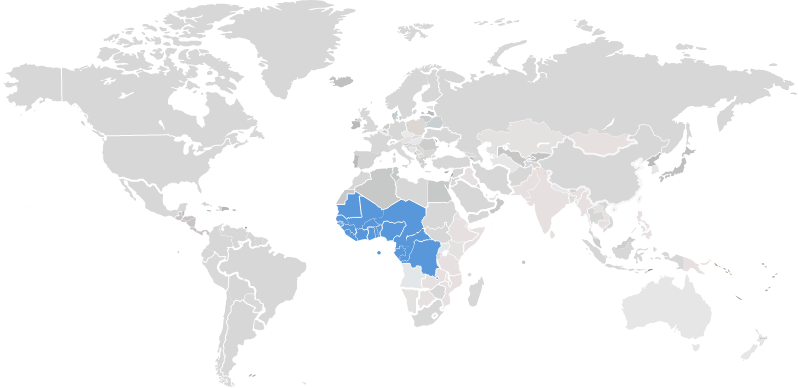
West & Central Africa

Country Highlights
  • Chad

    Chad

    In 2024, Chad faced multiple, overlapping crises, including severe flooding that began in late July and affected nearly 2 million people by year’s end. The flooding, combined with a growing influx of Sudanese refugees and returnees, significantly disrupted essential services, particularly SRH and GBV support. Among the 1.8 million forcibly displaced people in Chad — comprising refugees, asylum seekers, internally displaced persons, and migrants — 88 per cent were women and children, a population particularly vulnerable to GBV and at increased risk due to limited access to SRH services. The strain on the healthcare system resulted in shortages of reproductive health supplies and heightened maternal mortality and protection concerns.

    HTF funding, complemented by the Emergency Fund, enabled UNFPA to respond to these compounding emergencies. Support included the procurement and distribution of life-saving reproductive health supplies, especially for emergency obstetric care, to health facilities across affected areas. Midwives were trained and deployed to ensure safe childbirth, while psychosocial support workers provided care for survivors of violence. In addition, displaced women and girls received essential hygiene items, helping to maintain dignity and health in challenging conditions. This timely and flexible support was critical to maintaining continuity of care and addressing urgent SRH and GBV needs amid a rapidly evolving humanitarian crisis.


  • Niger

    Niger

    Severe flooding in Niger in 2024 caused one of the most catastrophic humanitarian crises the country has seen in decades. The regions of Maradi, Dosso, Zinder, and Tahoua were hardest hit, with over one million people affected and more than 450,000 displaced. The scale of destruction was immense: over 100,000 homes collapsed, 150 classrooms were destroyed, eight health centres were damaged, and 13,000 hectares of farmland were submerged, decimating food supplies and livelihoods. The floods further deepened existing economic and security challenges, exacerbating food insecurity and malnutrition — particularly among pregnant and lactating women. By the end of 2024, an estimated 4.6 million people in Niger required humanitarian assistance, including nearly one million women of reproductive age.

    With support from the HTF, UNFPA responded by delivering SRH to over 140,000 individuals through 62 supported health facilities. This included the provision of tents, mama kits, mobile clinics, and the deployment of professional midwives. To facilitate access to care, 204 obstetric emergencies were supported with cash and voucher assistance for transportation. In response to the heightened risk of violence, four women and girls safe spaces were established, hosting over 2,100 individuals. Nearly 2,000 women and girls received dignity kits, and 634 adolescent girls were provided with menstrual hygiene supplies. UNFPA also strengthened coordination by establishing departmental working groups focused on preventing and responding to gender-based violence across 11 flood-affected departments, ensuring a more organized and inclusive humanitarian response.

The term ‘Countries’ includes regional and sub-regional offices

Fund Reports

The Humanitarian Thematic Fund (HTF) is a multi-donor, pooled funding mechanism and represents UNFPA's most flexible humanitarian funding instrument, allowing the oragnization to make timely and strategic funding allocations to humanitarian cries around the globe.

Download Annual Reports

The HTF in 2025

Midway through 2025, the HTF remains central to UNFPA’s ability to deliver timely, life-saving support to women and girls amid a growing convergence of crises. With $48.7 million allocated across 28 countries* — including both rolled-over and new funds — the HTF has enabled sustained, adaptive programming in contexts ranging from protracted conflict to climate-induced disasters. Despite generous contributions totalling $31.8 million from several donors, a significant funding gap persists, threatening the continuity of essential services in sexual and reproductive health and gender-based violence prevention. In an increasingly complex humanitarian landscape, the HTF continues to distinguish itself as a strategic tool for advancing flexible, localized, and integrated responses aligned with broader reform efforts across the humanitarian sector.


* Figures as of June 30, 2025

Contributions in 2025

Interim figures as of 30 June 2025. Some funds are softly earmarked for regional and/or thematic interventions.