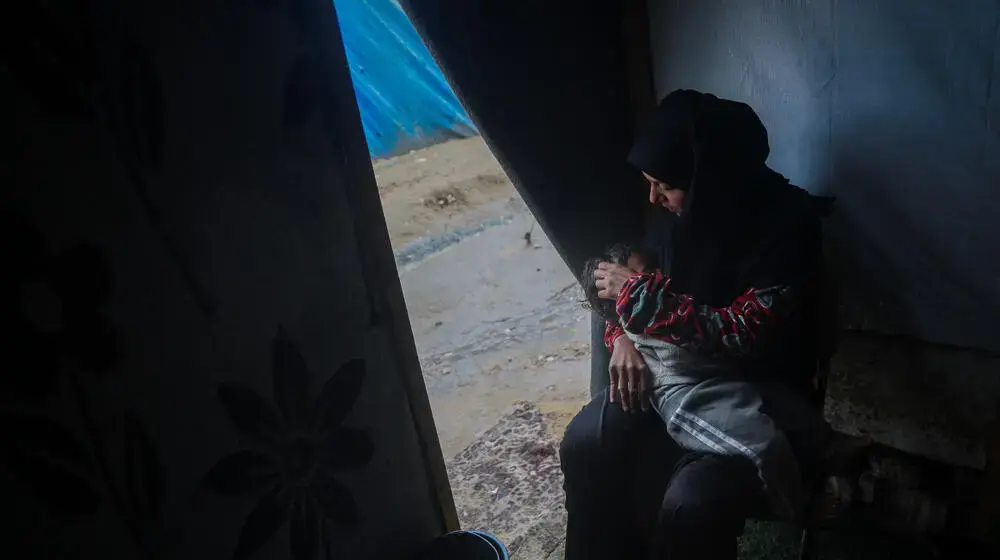
UNITED NATIONS, New York – A new humanitarian appeal released today by UNFPA, the United Nations sexual and reproductive health agency, calls for US$ 1 billion in urgent funding for 2026 to support women and girls caught up in some of the world’s worst crises – and who suffered some of the harshest impacts of the unprecedented funding cuts to the aid sector this year.
UNFPA’s 2026 Humanitarian Action Overview aims to meet the needs of more than 34 million women, girls and young people in 42 countries. Half of the funding is intended for just five crises: Afghanistan, the Democratic Republic of the Congo, the Occupied Palestinian Territory, Sudan and Yemen, all of which are roiled by conflict and beset by climate disasters.
Around the world, disruptions and closures in 2025 have had devastating, real-time effects. Maternal and reproductive health services are in some places so degraded that women are routinely giving birth without skilled care, while gender-based violence is rising sharply as support services shut down.
Yet despite record numbers of people in need of help, humanitarian organizations are asking for less money than in past years, in the knowledge that the well is running dry. Women and girls are entering 2026 under the shadow of danger and uncertainty, in escalating emergencies the global response system cannot keep pace with.
Below are five crucial ways UNFPA is keeping the lights on for them – and what might happen if we can’t.
1- Thousands of women and girls have found safe haven from violence in Sudan
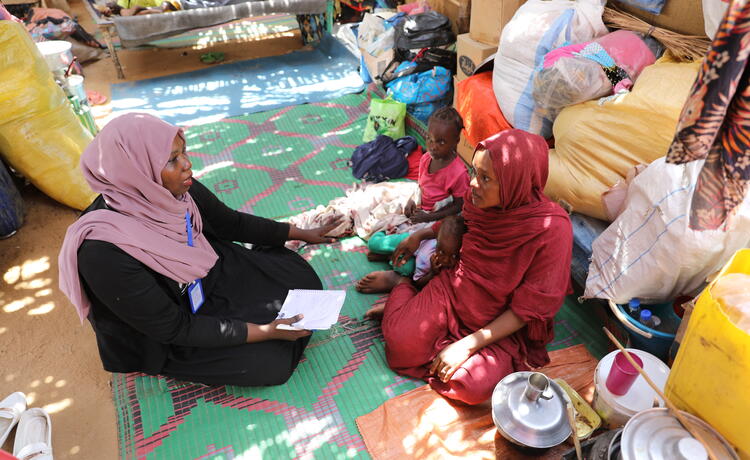
In Sudan, conflict-related sexual violence has almost tripled since 2024, while protection systems have collapsed.
Salam*, 19, was assaulted by armed men as she fled recent violence in El Fasher. “They took me to their office and raped me before allowing me to continue walking,” she told health workers at a UNFPA-supported safe space in Tawila where she received treatment.
The space was one of almost 1,500 supported by UNFPA across 48 countries, which UNFPA will continue to operate in 2026 if its appeal is sufficiently funded. In 2025, the Sudan humanitarian appeal was just over 40 per cent funded, leading to the closure of 40 safe spaces. This denied 1 million women and girls access to services to help them recover from rape, sexual abuse and exploitation, and other forms of violence.
Appeal for Sudan in 2026: $116.5 million
2- A lifeline in a shattered health system in the Occupied Palestinian Territory
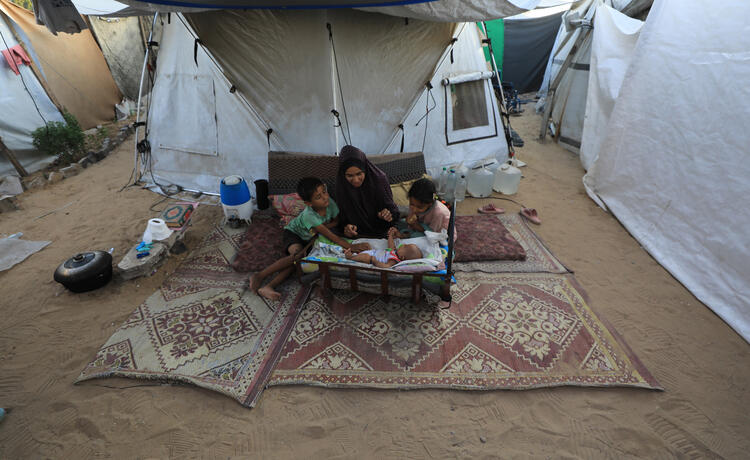
In Gaza, relentless strikes on hospitals and the systematic, long-term denial of vital aid have decimated the health system. While just over a third of health facilities are functioning, one in three pregnancies is now high-risk and around 70 per cent of babies are born too soon and too small, endangering their chances of survival.
“The labour pains hit me at 4 am, but there was no one to help,” said Yasmeen, a midwife in Gaza city who told UNFPA, “I had no choice but to deliver my own baby.”
UNFPA and partners are working to restore reproductive health and protection services across both Gaza and the West Bank. In Gaza, clinics, safe spaces and youth centres are being re-established or reopened; despite formidable odds, mobile teams and midwives are managing to reach displaced communities, and supplies and equipment are being delivered to hospitals, where access allows. In the West Bank, mobile clinics, midwife networks and emergency maternal health centres continue operating despite movement restrictions.
In 2026, UNFPA is dedicated to ensuring consistent and skilled care so women and girls in Palestine are not left to face childbirth, violence and trauma alone.
Appeal for the Occupied Palestinian Territory in 2026: $110 million
3- Protecting the lives of pregnant women and newborns in Afghanistan
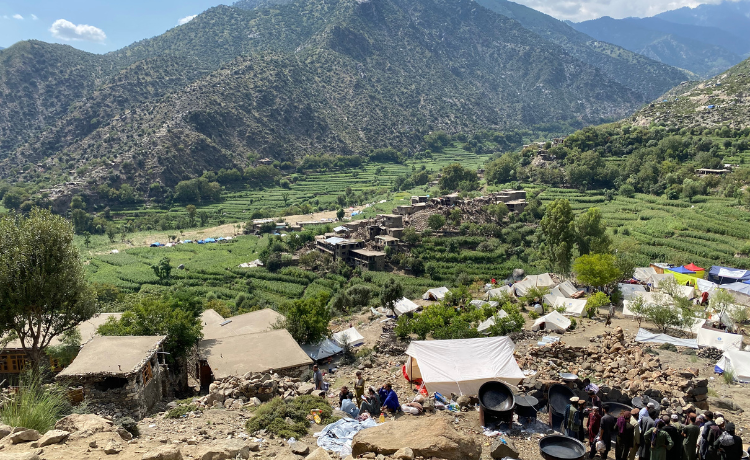
Reports from UNFPA’s country offices show that up to 12 million women and girls will likely lose essential health services in 2025–2026 if current funding gaps are not filled. Of these, 6.3 million are in Afghanistan.
Already ravaged by conflict, poverty and climate disasters, Afghanistan suffered two major earthquakes in 2025. With thousands killed and infrastructure flattened, roads and mountain passes were blocked for weeks. Functioning health facilities were all but impossible to reach.
Maska, a psychosocial counsellor with a UNFPA-supported mobile health team deployed to affected areas, said, “Women and children in particular are extremely traumatized.”
But hers is one of a shrinking number of critical roles, as almost 600 female health workers lost their jobs this year due to funding cuts. Afghanistan is already among the most dangerous places in the world to give birth, with one woman dying every two hours from pregnancy-related causes.
An estimated 24,000 Afghan women give birth each month in hard-to-reach areas with acute barriers to safe delivery; now, many will have little or no access to life-saving care.
Appeal for Afghanistan in 2026: $90 million
4- Supporting mental healthcare – and safety – in Yemen

After nearly a decade of war, Yemen remains one of the world’s most severe and protracted humanitarian crises, with millions struggling with hunger, displacement and disease.
Around three women die every day from pregnancy and childbirth-related causes, yet the vast majority of these deaths would be preventable with skilled care. But with only one in five functioning health facilities offering maternal and child health services, many women give birth at home without assistance.
Salwa* was forced into marriage at just 17 years old, then experienced dangerous complications in childbirth. “I was so scared. I didn’t understand what was happening to my body,” she told UNFPA. “I thought I was going to die.”
A UNFPA safe space ensured she received swift medical care: “They didn’t treat me as just another case, but as a human being who deserves care and support,” she said.
UNFPA is the sole provider of life-saving reproductive health medicines in Yemen and leads the coordination and delivery of women’s reproductive health and protection services nationwide. This includes supporting emergency obstetric and maternal care and operating a network of safe spaces, shelters and specialized mental health centres for gender-based violence prevention and response.
Yet sweeping funding cuts mean that nearly 1,500 health workers have already lost their jobs, and 2 million women and girls could lose access to essential services in 2025–2026.
Appeal for Yemen in 2026: $70 million
5- Helping young people to heal in the Democratic Republic of the Congo
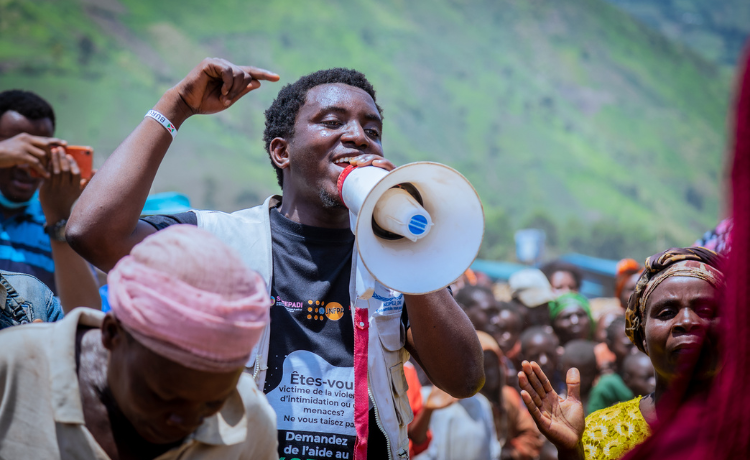
In the Democratic Republic of the Congo, mass displacement and years of conflict have left millions of survivors of rape without critical treatment. In the first half of 2025, at least 33 attacks targeted health facilities and workers, choking off referrals and emptying clinics of supplies and staff. Gender-based violence – which was already high – has surged throughout 2025, with North Kivu alone seeing reported rapes rise by nearly 40 per cent in the first six months.
But these crimes can be prevented – and survivors can be helped to heal, which experts say can break the cycle of violence. “To heal from our war wounds, we must protect ourselves rather than inflict the same pain on others,” Sarah Kyabu Ntambwe, a peace and women’s rights advocate, told UNFPA.
Yet access constraints, attacks and severe underfunding have forced hard choices, leaving gaps where needs are greatest. Without stable supply lines and health services safeguarded from violence, the consequences will be counted in preventable deaths and untreated trauma.
Appeal for the Democratic Republic of the Congo in 2026: $54.9 million
Don’t let the lights go out for women and girls

As of September, UNFPA’s humanitarian appeal for 2025 had reached more than 9 million people with reproductive health services and gender-based violence prevention and response. This despite being just over one third funded.
But these figures are still lower than the year before due to funding cuts that have forced UNFPA to close over 1,000 health facilities and 250 safe spaces in the world's most fragile settings.
UNFPA Executive Director, Ms. Diene Keita, says in the appeal, “In South Sudan, a survivor of gender-based violence sat beneath the corrugated roof of a UNFPA-supported safe space and asked the staff, ‘Here at this centre, we can forget all the trauma we went through. If it closes, where will we go?’”
Next year as every year, UNFPA will work to keep sexual and reproductive health and gender-based violence protection services at the heart of humanitarian action and to champion the rights of women and girls in every crisis setting.
Because, added Ms. Keita, “When the world’s systems falter, UNFPA keeps life-saving care within reach.”
*Names changed for privacy and protection


