
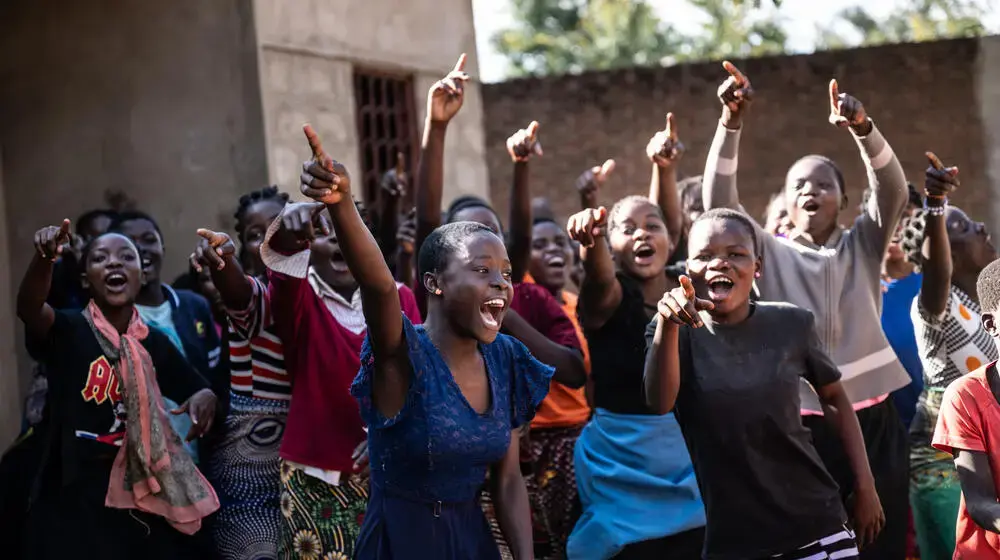
UNITED NATIONS, New York – Throughout 2025, the world read about the record number of conflicts and climate crises tearing apart countries and communities. We heard how steep cuts to humanitarian funding are spelling disaster for millions of people. We watched as AI expanded and digital violence against women and girls took a dangerous new turn.
But we also saw ordinary people stepping up and doing extraordinary things: From the midwives delivering babies safely as war ravages Gaza to the teenagers helping each other navigate a path away from adolescent pregnancy in the Philippines, so many individuals showed courage, resilience and a refusal to give up in the face of immense odds.
UNFPA, the United Nations Population Fund, is the sexual and reproductive health agency of the UN. We work with communities in more than 150 countries and territories, and this year, we scaled up our support to women- and youth-led grassroots organizations. We have seen them all take bold action, stand up for their rights and unite for our collective humanity.
To end a dark year on a brighter note, we look back at just some of those stories.
Girls pushed back when their rights were denied
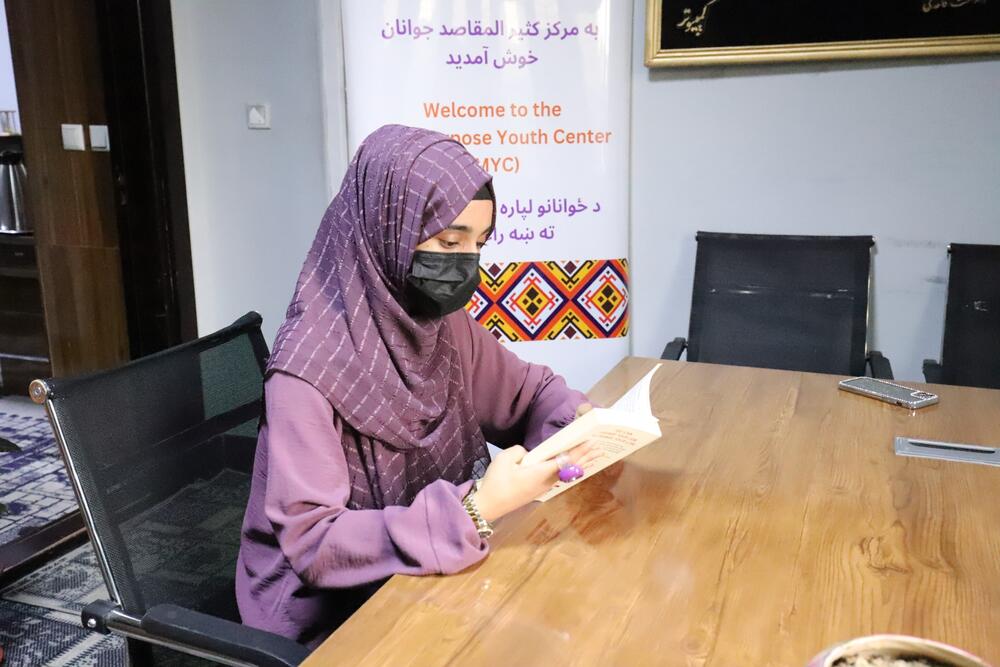
When girls in Afghanistan were banned from all secondary education in 2021, Meena watched her dreams shatter. Although she continued to study at home in Kabul, her confidence faded. “I felt isolated and had no one to share my ideas with,” she told UNFPA.
But in 2024 she heard about a UNFPA-supported youth centre at the Ataturk Hospital that offered skills training and psychosocial counselling. “There, I found good friends and a place where we could talk openly about our problems and find solutions together,” she said.
Meena attended counselling before joining a training programme in business development, funded by the European Union, and soon launched her own online shop. She also took computer classes, learning skills that she now shares with neighbours and friends, extending the centre’s impact beyond its walls.
“The programmes have completely changed my life,” said Meena. “I learned techniques that gave me courage, and now I believe in myself. I feel hopeful about what lies ahead.”
UNFPA’s collaboration with local and national actors, governments and women-led organizations is critical in advancing effective, informed initiatives to support women and girls. Last year, more than 42 per cent of UNFPA’s humanitarian spending went directly to these partners, across 71 countries. In 2026, the agency aims to increase this further still.
Survivors of female genital mutilation help put an end to the practice
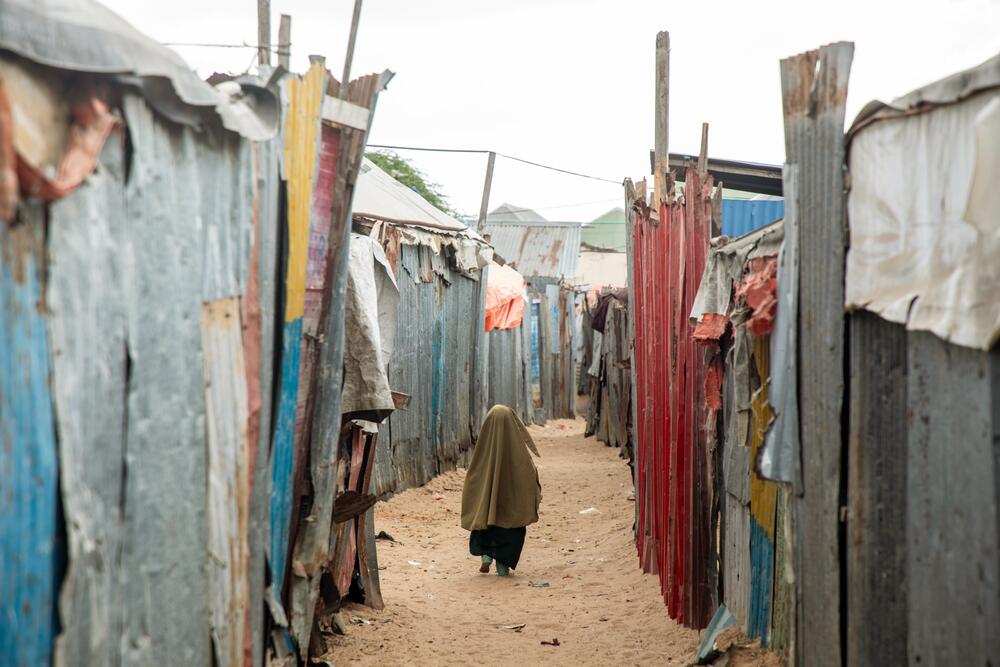
Amina* arrived at a UNFPA safe space when she was just 13. She was bleeding heavily from dangerous complications and an infection after being subjected to female genital mutilation. Displaced and struggling to survive, she couldn’t afford the medical care she needed.
At the safe space, local health workers not only saved her life but supported her in returning to school. “Before coming here, I thought my life would end,” said Amina. “Now, I feel healthy and strong again.”
Around 98 per cent of girls and women in Somalia have experienced female genital mutilation, which is widely recognized as a violation of human rights. Although Somalia recently approved a bill prohibiting the practice, it has yet to be ratified. In 2023 alone, UNFPA helped more than 260,000 people in Somalia to learn about, avoid and recover from female genital mutilation.
Since the launch of the UNFPA-UNICEF Joint Programme on the Elimination of Female Genital Mutilation in 2008, 7.2 million girls and women have accessed prevention and protection services, and in the last two years over 12,000 grassroots organizations and more than 36,000 community and frontline workers joined the initiative. These organizations, particularly women-led ones, are critical to shifting minds, policies, legislation and behaviours around female genital mutilation.
“Somalia’s young women are redefining what community protection looks like,” said Nkiru Igbokwe, a gender-based violence specialist with UNFPA in Somalia. “Their leadership proves that ending female genital mutilation is not only possible, it’s inevitable when girls are empowered and families rally behind their rights and dignity.”
Communities bond together even in crisis
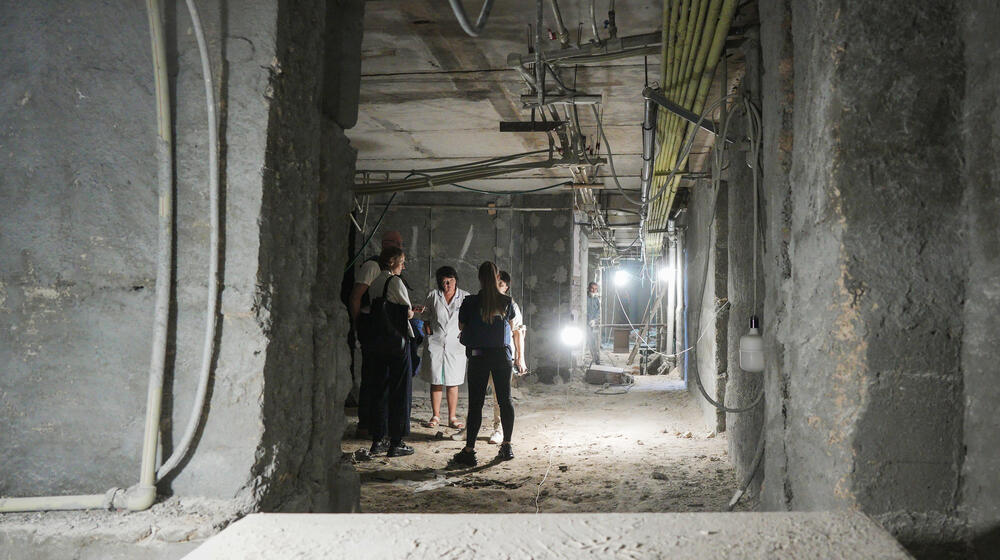
At a maternity hospital in Kherson, in southern Ukraine, an air-raid alarm was sounding when Lyudmila got there just before going into labour. “I arrived and immediately went to the basement,” she told UNFPA, which supports the hospital.
The basement had been converted into a bunker housing a maternity ward, which UNFPA helped to construct and equip. “The only thing was that it had no windows, but it felt safe,” said Lyudmilla.
During her delivery, she heard the attack. “There was a strike just at the moment when I was giving birth,” she recalled. “The doctors said, ‘let’s continue,’ because my child was already coming out when the shelling began.”
Her baby, Miroslava, was born safely in a maternity bunker. Mother and daughter were later evacuated by the Red Cross to another hospital, where Miroslava was treated for jaundice before being discharged and sent home. “She’s fine,” Lyudmila said. “Everything is well now and we are already at home.”
For health workers in Ukraine as in many warzones, situations like these are part of their new normal. Doctors and midwives operate in wards where electricity can fail at any moment, where shelling and air-raids threaten to interrupt critical operations. As Dr. Heintz, an obstetrician working at another hospital supported by UNFPA in Kyiv, said, “When the shelling starts, we just keep going.”
The health workers inspiring young patients to heal others
![Inside a concrete-walled building with a corrugated iron roof, two young women laugh and hold hands in the air, surrounded by seated young people who are watching them]](/sites/default/files/inline-images/Zambia_Safe%20Space%20Girls%20Drama%20-6.jpg)
“Pregnancy at an early age can derail your future, said Charity*, a 23-year-old midwifery student in Zambia. “I want to be an example that, no matter how difficult the circumstances, you can still overcome them.”
When she fell pregnant while still finishing boarding school, Charity moved back to her mother’s rural community, initially planning to deliver at home. But complications arose after two days of labour, and she was brought to a nearby hospital where she had a Caesarean section and delivered a healthy baby.
Two days later, however, she discovered she had developed an obstetric fistula, a painful condition caused by prolonged or obstructed labour without medical attention. Confined to her bed, she feared she would never fulfil her dream of becoming a nurse.
“I didn’t think I would ever heal or return to school,” said Charity. “I started feeling hopeless and lived in isolation. But something deep inside me told me not to give up.”
When she heard on the radio about a programme supported by UNFPA, together with the Ministry of Health and NGO the Fistula Foundation, she went back to the hospital to enlist for repair surgery. It was successful, and Charity was able to return to school and retake her exams. Driven by the kindness she received from the midwives, she was now determined to train as one herself.
Today, Charity is a fierce advocate for fistula awareness, sharing her story to encourage those suffering from similar conditions to seek medical help and, most importantly, to prevent early pregnancies.
Indigenous women are demanding their rights be recognized
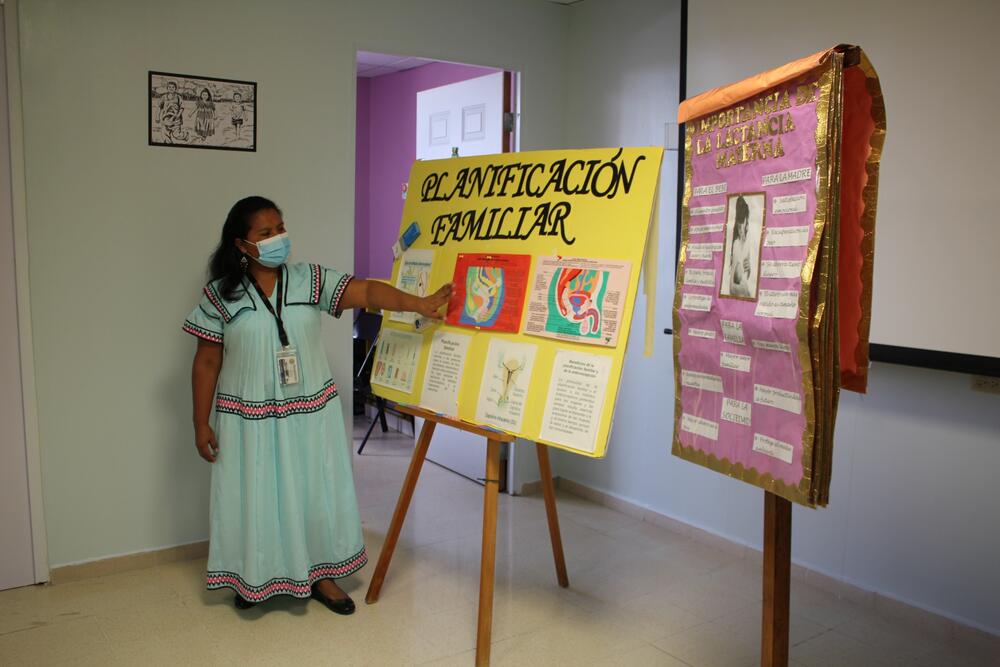
In a remote region inhabited by the Ngäbe and Buglé indigenous groups, high in the mountains of western Panama, Eneida walked three hours while nine months pregnant to reach a maternity waiting home, which provides food, healthcare and transport to safe delivery services.
This is one of many sexual and reproductive health centres set up by the Ngäbe Women’s Association, which was established 30 years ago to advocate for the needs of indigenous women. The association worked with UNFPA and the Ministry of Health to set up a network of local health workers to provide care and raise awareness about maternal health, contraception and child nutrition.
They also brought the needs of indigenous women to the government health system. Now there’s an interpreter on-hand in the local hospital, and staff are trained to engage in a culturally sensitive way, ensuring that women did not have interventions forced onto them, as had happened in the past. “If a woman does not accept, that is respected,” said Eira Carrera, an intercultural interpreter at a maternal and infant hospital.
Gen Z lobbying for better regulation of social platforms
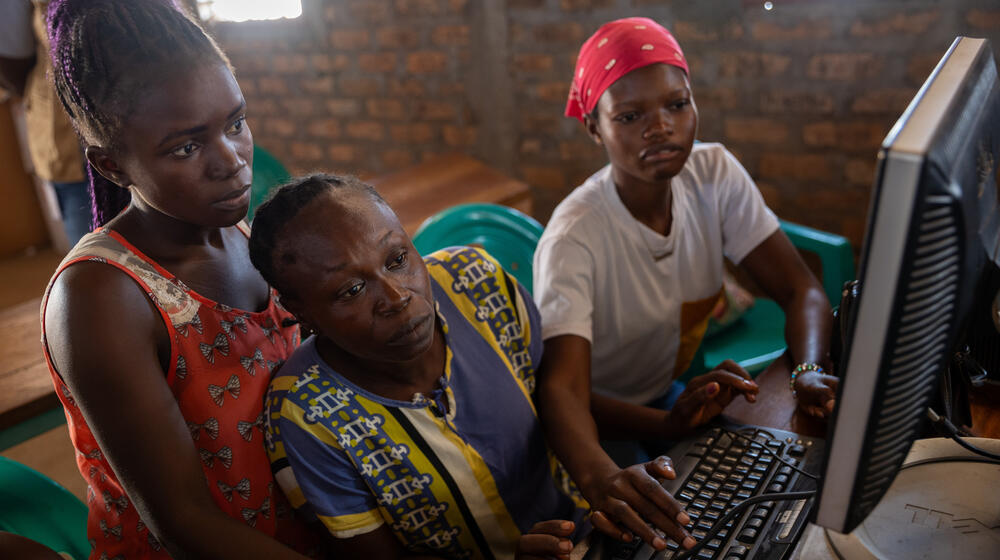
They're the generation who grew up online, today’s ‘digital natives’. But more and more, they’re calling for stronger legislation and protection measures, and taking their leaders to task over what’s allowed to happen in these online worlds.
One 23-year-old woman in Bangui, Central African Republic, told UNFPA, “I wish decision makers would create strict laws against online harassment, make young people aware of the dangers of the Internet and build safer platforms.”
There is growing global awareness that the explosion of AI has drastically increased the risks of gender-based violence against women and girls: Crimes like sextortion, doxxing and creating deepfakes are carried out by more people at a faster rate and with almost total impunity.
Another woman in Bangui said, “It would be helpful to make privacy settings easier to understand and have them activated by default, especially for children. Many young people don’t realize that their details are public or shareable.”
But tech bosses and policymakers often underestimate – or ignore – reports of online abuse, with many casting survivors as the problem for not learning how to use tech safely, instead of putting in place measures to stop digital violence and prosecute the perpetrators.
In November 2025, UNFPA and partners held the first Africa Symposium to build alliances against and explore solutions to online gender-based violence. And through UNFPA’s Making All Spaces Safe programme, supported by the Government of Canada, efforts to safeguard people from digital violence are being stepped up across Africa, including in Benin, Ghana, Kenya and Tunisia.
*Names changed for privacy and protection


