
UNITED NATIONS , New York – Female genital mutilation is known to be a violation of women’s and girls’ fundamental rights and to cause deep, lasting and often life-threatening physical and mental harm.
But progress is being made: Through policy changes, mentoring initiatives, safe spaces and shared stories of resilience, resistance is growing towards a world free from female genital mutilation. Over the past decade alone, the number of girls subjected to the practice has dropped from one in two to one in three globally.
Yet still today, more than 230 million girls and women are living with the consequences of being subjected to it. In 2026, nearly 4.5 million girls – more than half of them under five years old – are at risk of undergoing the procedure.
One of the reasons female genital mutilation remains so entrenched is the notion that foreign influence is driving efforts to abandon it. For this year’s International Day of Zero Tolerance for Female Genital Mutilation, we’re busting this myth: Below, see how survivors, communities, teachers, health workers, and youth and religious leaders are undoing damaging societal norms from within.
1. Survivors and communities are joining forces: “I realized my voice had power”
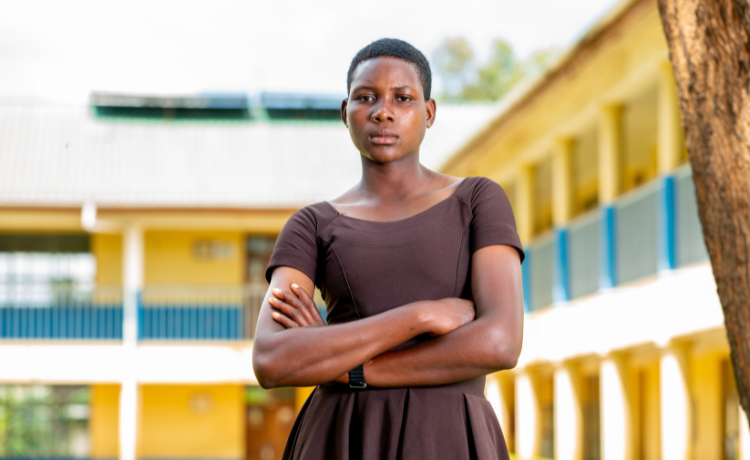
In the Mara region of the United Republic of Tanzania, female genital mutilation was once considered an unavoidable rite of passage for young girls. Today, the region still has one of the highest rates in the country. Olivia Albert, 19, was subjected to it at age 13, just before school resumed for the year.
“I hid my pain because everyone around me said it was normal,” she told UNFPA. “But deep down, I knew what I experienced was not something any girl should go through.”
When she joined a community dialogue, she heard other survivors openly sharing their experiences. The dialogue was supported by UNFPA, the United Nations Population Fund, the sexual and reproductive health agency of the UN – but it was driven by community members themselves.
“I realized my voice had power,” Olivia said. “If I spoke up, maybe one girl – just one – would be spared.”
Today, she leads a youth advocacy group that holds education sessions in schools, works with traditional leaders and supports women’s and children’s protection committees to create safe spaces for girls at risk and ensure cases are reported. “Survivor leadership is changing my community,” she said. “When girls hear from someone who has lived through this, they listen differently. They find courage.”
“I hid my pain because everyone around me said it was normal” – Olivia
She added, “We cannot erase the past, but we can make sure the next girl grows up without fear. And together, we will make that happen.”
2. Religious leaders are calling out misinterpretation: “Female genital mutilation is not a prescription of Islam”
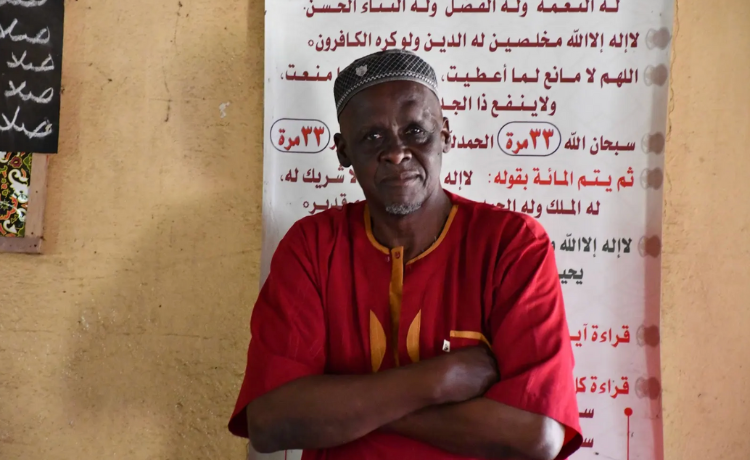
Imam Ousmane Yabara Camara is a known and respected figure in Guinea’s Kindia prefecture – one who has chosen to use his platform in the service of his community’s women and girls. “During my sermons, I speak openly that female genital mutilation is not a prescription of Islam,” he told UNFPA. “Too many girls suffer from the severe health consequences of this practice, we must put an end to it.”
Female genital mutilation has been illegal in Guinea for the past 20 years, and while more than 95 per cent of women over 15 years old have been subjected to it, among girls under 15 this drops to just under 40 per cent. “We are in the process of building a new generation – this is visible with the gap between [older] women and [younger] girls,” said the Imam, who is also a retired school teacher.
Being a guardian of tradition and an engine of change are not contradictory notions, he explained. “I suggest that the subject be brought into education to better help future generations live without female genital mutilation.” Today, thousands of children hear about it in schools that increasingly teach comprehensive sexuality education.
“We are in the process of building a new generation” – Imam Ousmane
The Regional Inspector for the Promotion of Women and Children of the Kindia region explained that the practice “is an expression of the power of control over the body and the lives of women – by people who do not understand that power begins when one allows the other the freedom to enjoy their rights.”
3. Nations are passing their own laws against it: “The fight for our daughters' rights is no longer an option”
In many countries where female genital mutilation is deeply entrenched, new legislation is slowly turning the tide. In Eritrea, Somalia and Djibouti, Islamic scholars issued a national fatwa in 2025 stating that there are no religious grounds to justify female genital mutilation. Combined with constitutional amendments explicitly banning the practice, this was a powerful step in demonstrating religious and political commitment to end it.
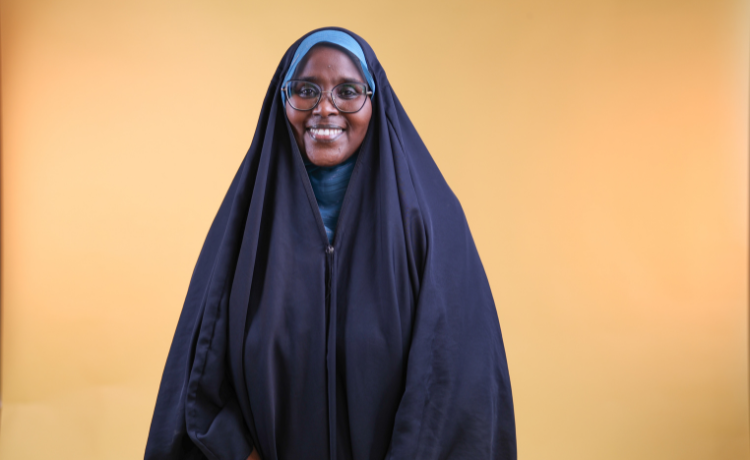
“In our neighbourhoods, we now have two powerful shields: the Constitution and the fatwa,” said Nafissa Mahamoud Mouhoumed, a member of the 'Elle et Elles' community network. “While the law reminds people of the legal consequences, the fatwa removes the religious excuse that was used for generations to justify female genital mutilation. This dual victory gives us, the activists on the ground, the ultimate confidence to talk to families and say: ‘Your faith and your country both protect your daughter.’”
“In our neighbourhoods, we now have two powerful shields: the Constitution and the fatwa” – Nafissa Mahamoud Mouhoumed
Yet even these hard-won gains are at risk, as increasing pushback against elimination efforts, alongside shrinking funding and competing global priorities, mean rollbacks and reversals remain a real threat.
4. Men and boys are joining the cause: "They see the evidence”
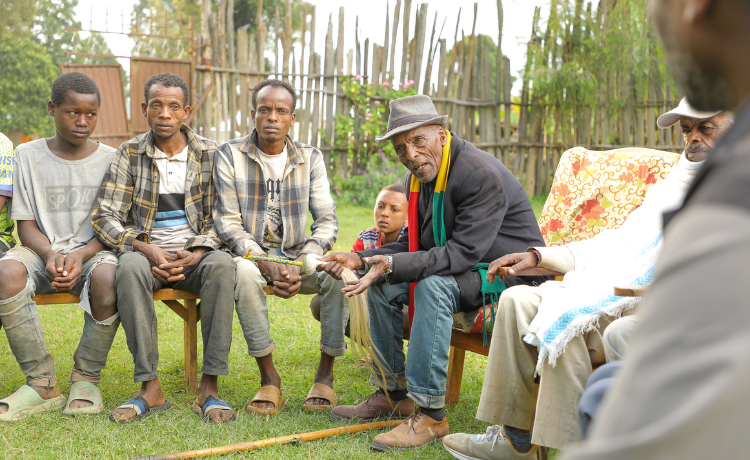
In Ethiopia, three quarters of women and girls aged 15 to 49 have undergone some form of female genital mutilation. “We sat helplessly for years, watching women suffer through childbirth complications, sometimes losing both mother and baby,” recalled Mitiku Gunte, a local district chief in the central Hadiya Zone. “We knew something was wrong, but we didn't understand what, or how to stop it.”
Mitiku is now an advocate with the UNFPA-UNICEF Joint Programme, which together with the local administration engages hundreds of men and boys in the fight against the practice. Through dialogues tailored for different segments of society – elder men, young unmarried men, women, and young people – members of the community go door-to-door to speak to each group about their specific concerns and influences.
This gave us the confidence and unity to make real change” – Dawit Mohammed
For Dawit Mohammed, a local farmer who had quietly opposed the practice for years, this programme provided what he had long lacked: a clear strategy and community backing. “The trainings gave us the tools and the evidence – we learned the direct link between female genital mutilation and childbirth injuries. This gave us the confidence and unity to make real change. We finally learned how to have these difficult conversations with our neighbours.”
The advocates also champion girls' education as a vital alternative to harmful practices. Dawit's own family is testament to the benefits of abandoning female genital mutilation. “People see my wife – healthy, strong, having delivered our children safely, and they understand this isn't just theory," he said. “They see the evidence in our household's wellbeing.”
5. Medicalization is being exposed as unsafe, too: “I often receive cases after the damage has already been done”
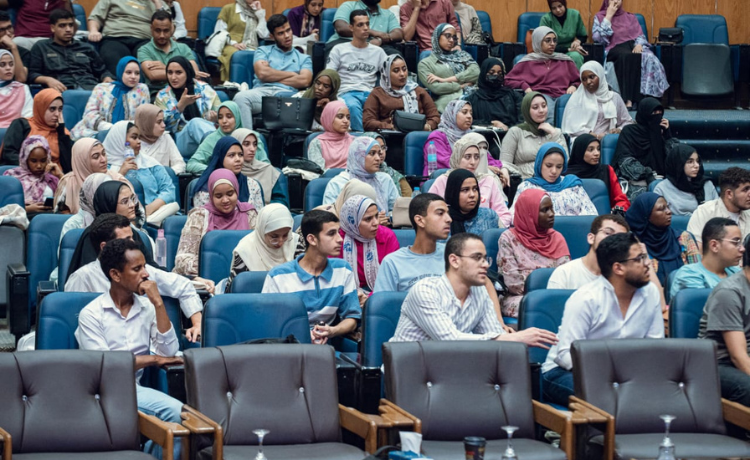
When carried out by a healthcare provider, female genital mutilation is often described as medicalized. Around one quarter of survivors aged 15 to 49 have had the procedure performed this way, and adolescents are twice as likely to be subjected to a medicalized procedure than older women. But even with a professional present and sanitized equipment available, female genital mutilation is not safe or necessary, and there is never any medical justification for it.
“Now I better understand the mindsets of those considering it” – Dr. Maram Mahmoud
The UNFPA-UNICEF Joint Programme supports health workers and community advocates in resisting the social pressure to perform female genital mutilation, and to advocate instead for its prevention among their communities, dispel myths and raise awareness.
In Egypt’s Sohag governorate, family doctor Maram Mahmoud told UNFPA, “I often receive cases after the damage has already been done, with serious complications.” She is one of thousands of healthcare professionals in Egypt to join the UNFPA-led White Coats Against Female Genital Mutilation initiative, which emphasizes medical professionals’ key role in changing damaging norms that perpetuate it.
“I honestly didn’t expect this to have such an impact on my perspective,” Dr. Maram said. “But now I better understand the different mindsets of those considering it, and I feel more confident in guiding them and explaining the serious harms, risks and consequences.”


