Slideshow

Reaching flood-affected women and girls in northern Peru

calendar_today18 August 2017

1/7

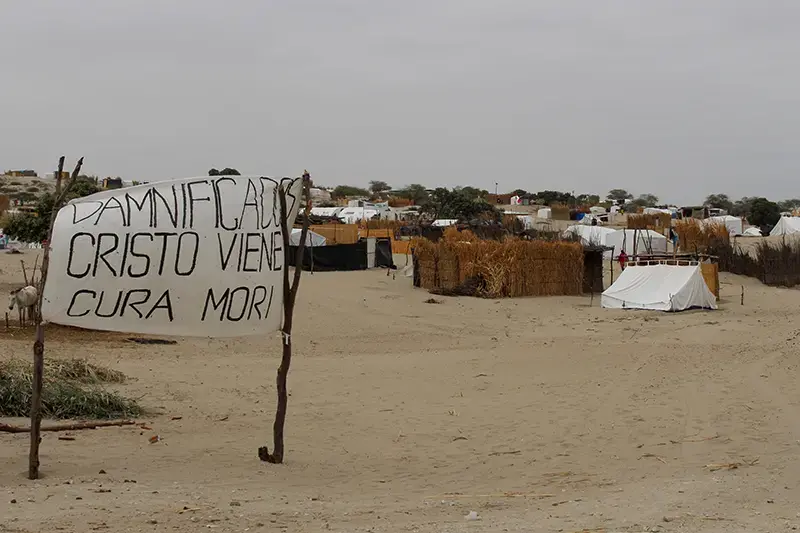
Flooding and heavy rains left the northern coast of Peru in a state of emergency earlier this year. UNFPA deployed mobile brigades in displacement camps and hard-to-reach areas. © UNFPA Peru/Angela Valverde
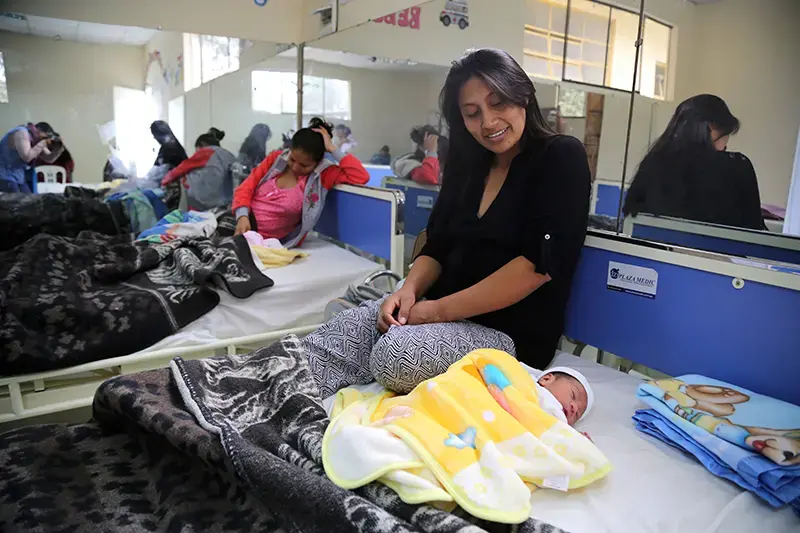
The mobile brigades included physicians, gynaecologists, obstetricians, psychologists and social workers. Together, they restored women’s access to sexual and reproductive health care. © UNFPA Peru/Angela Valverde
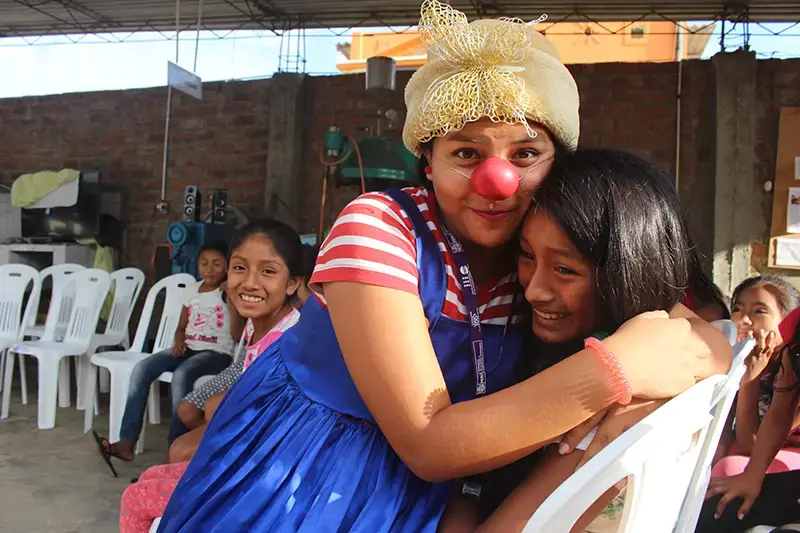
UNFPA also supported community awareness sessions. In some cases, performers used drama and humour to spread messages about disease prevention, safety and health. © UNFPA Peru/Angela Valverde
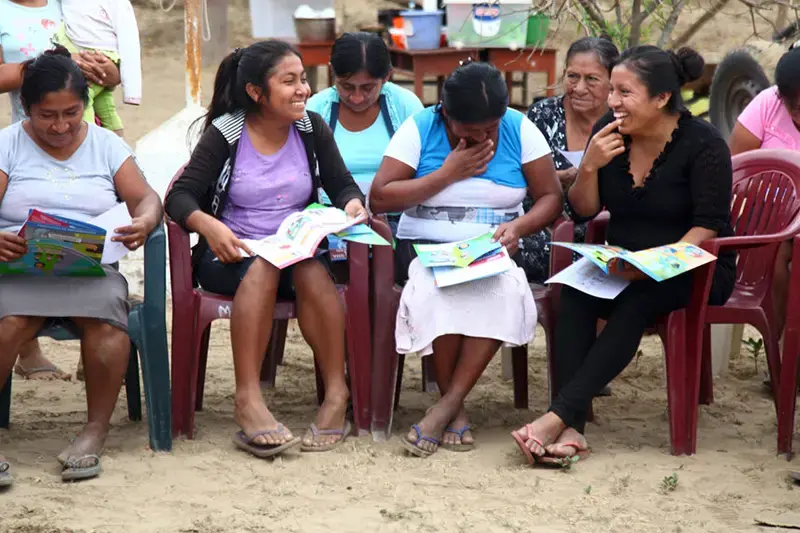
More than 150 sessions were held, reaching more than 10,000 women with messages about maternal health care, preventing unintended pregnancy and addressing gender-based violence. © Agencia EFE
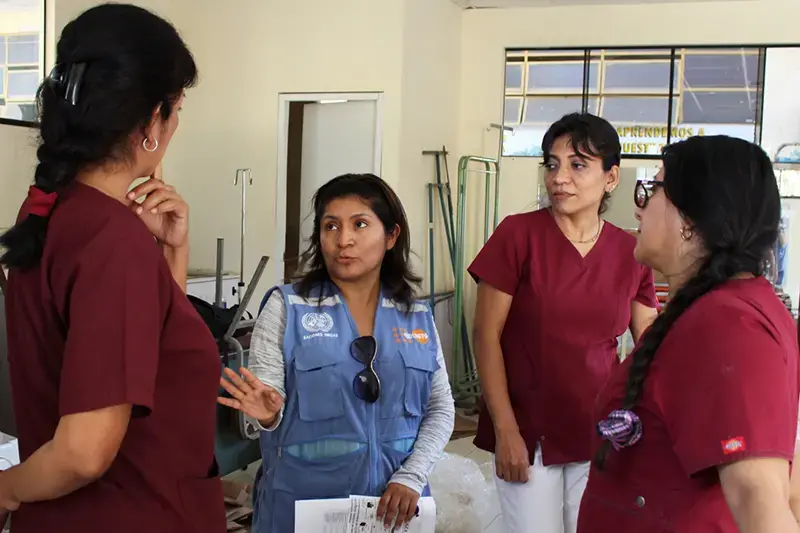
UNFPA also provided medical and surgical equipment and technical assistance. A UNFPA reproductive health expert speaks to obstetricians in Piura. © UNFPA Peru/Angela Valverde
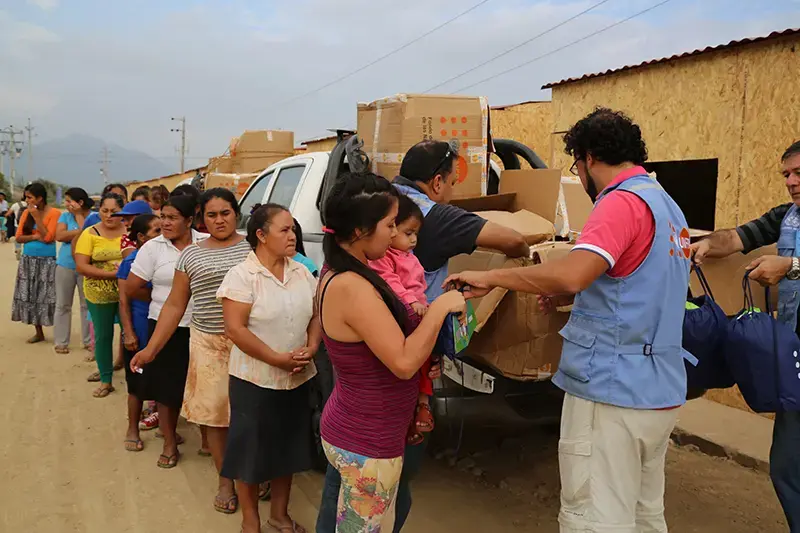
More than 14,500 hygiene and protection kits were distributed, as well. These kits contain supplies such as soap, sanitary napkins, whistles, flashlights and padlocks. © UNFPA Peru/Willy Lino
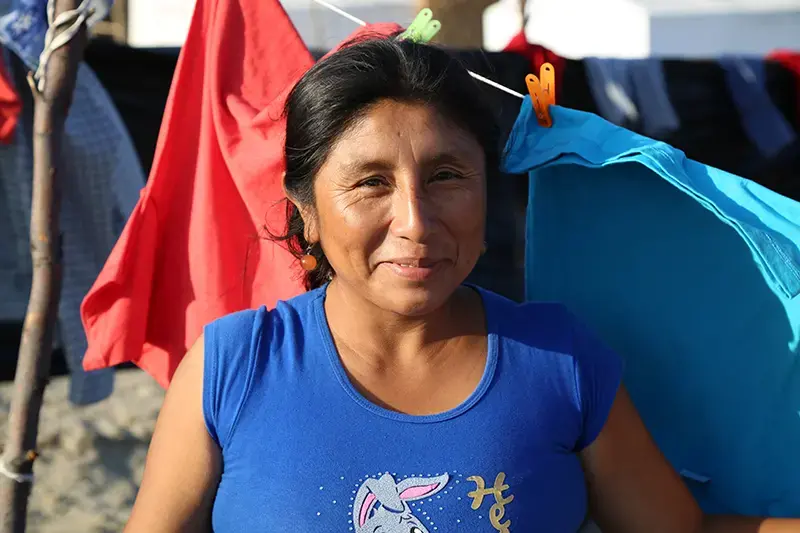
“If a problem arises and we blow the whistle, the community will come to our help,” said Carmela [name changed for privacy]. © UNFPA Peru/Angela Valverde
News

Tens of thousands of girls reached through Mozambique empowerment programme

calendar_today09 August 2017

Edma teaches girls the skills and knowledge they need to protect themselves, stay in school and demand their rights. © UNFPA/Helene Christensen
1

News

Teen pregnancies, and attendant health risks, a major concern in El Salvador

calendar_today03 August 2017

Globally, pregnancy-related complications are the leading cause of death among girls aged 15 to 19. Photograph by Lucy Tomasino
1

News

Contraceptives reach rural women through pioneering system

calendar_today31 July 2017

Midwife Nan Win Phyu at the Nam Khoke Rural Health Centre uses a family planning wheel to explain contraceptive options. © UNFPA Myanmar/Si Thu Soe Moe
1

News

To secure a better future, teens in Sierra Leone look to family planning

calendar_today10 July 2017

Aminata Kabba became pregnant at 15. She says she wishes she had known about family planning. © MSSL
1

Video

Family planning: A right for all people

calendar_today27 July 2017

Family planning: A right for all people

Family planning: A right for all people

1

News

Youth offer solutions to global problems, if leaders take action now

calendar_today18 July 2017

Edith Nambalirwa is reaching other youth with her entrepreneurial spirit and knowledge of sexual and reproductive health. © UNFPA ESARO/Corrie Butler
1

News

Leaders around the world commit support for voluntary family planning

calendar_today14 July 2017

Kate and Samuel Opio with their twins at Inomo Health Centre III, in Uganda's Apac District. They now plan to use a modern contraceptive method. © UNFPA/Prossy Jonker Nakanjako
1
H6 Partnership Annual Report 2016

Publisher

UNFPA on behalf of H6

Publication date

Jun 2017

Number of pages

125

Annual Report

H6 Partnership Annual Report 2016

Harnessing the collective strengths of the UN system to improve the health of women, children and adolescents everywhere

1

Slideshow

One year after Ebola’s end, a look at the needs of women and girls

calendar_today19 June 2017

1/9

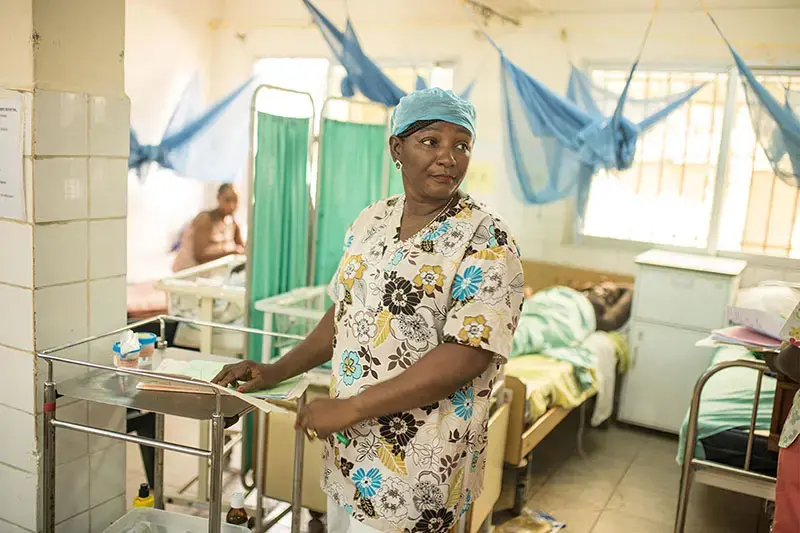
The Ebola epidemic was devastating for the already fragile health-care system in Sierra Leone. Ebola was responsible for the deaths of over 200 health workers, including 56 midwives. © Olivia Acland, United Nations

Before the outbreak, Sierra Leone had one of the highest maternal and infant death rates in the world, coupled with a shortage of skilled midwives and health workers. © Olivia Acland, United Nations

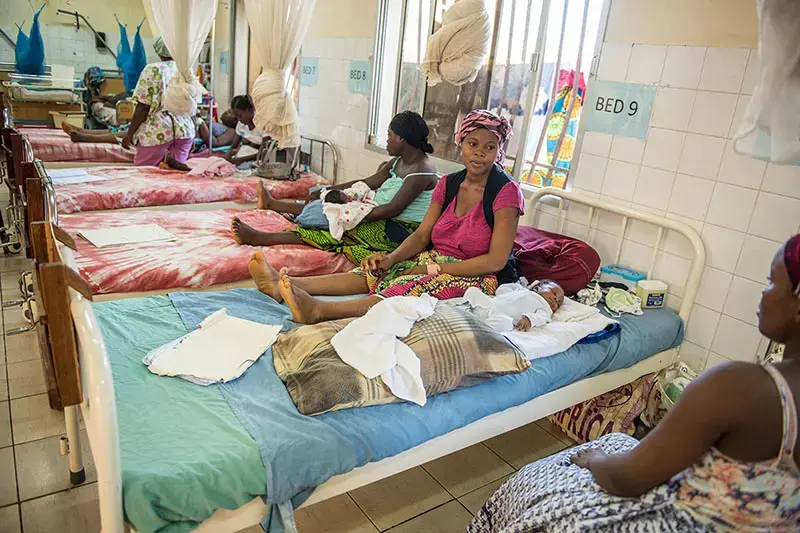
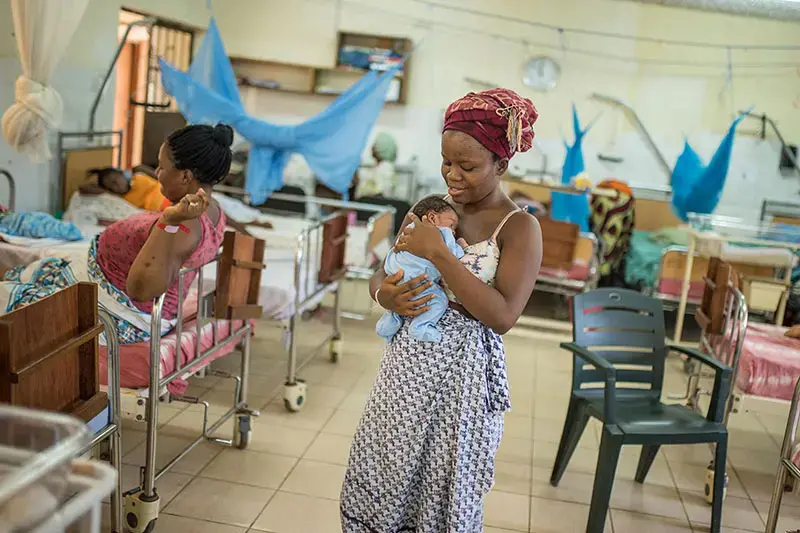
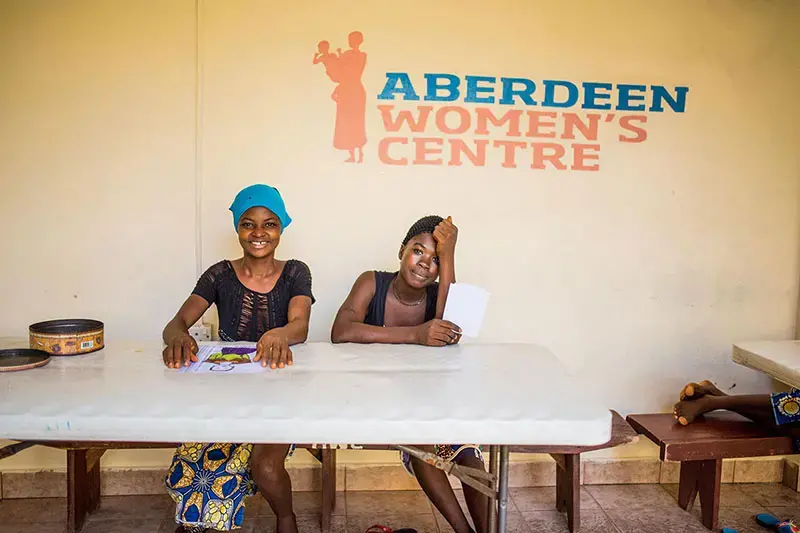
The Ebola crisis also left girls extremely vulnerable to pregnancy, not only because access to family planning was limited but also due to the breakdown of social protection systems. A new mother at Aberdeen Women's Centre. © Olivia Acland, United Nations

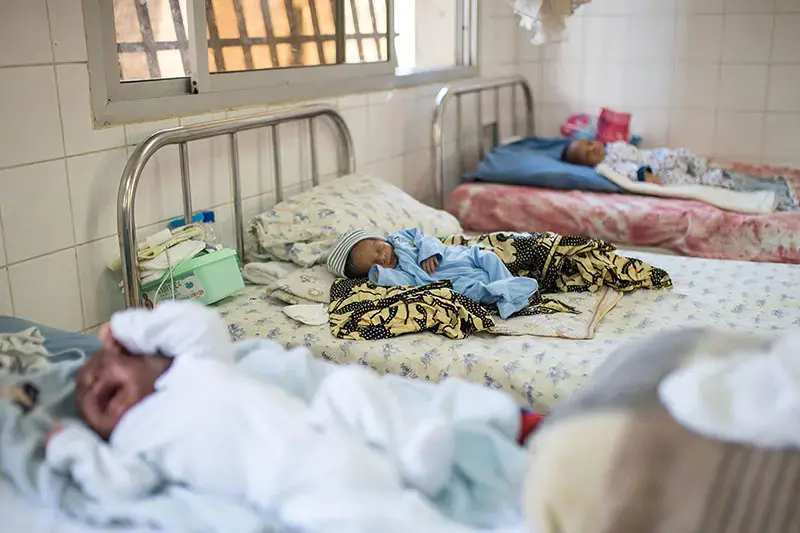
An estimated 18,000 girls became pregnant during the Ebola crisis; girls who are visibly pregnant are forced to drop out of school. Newborns at Aberdeen. © Olivia Acland, United Nations

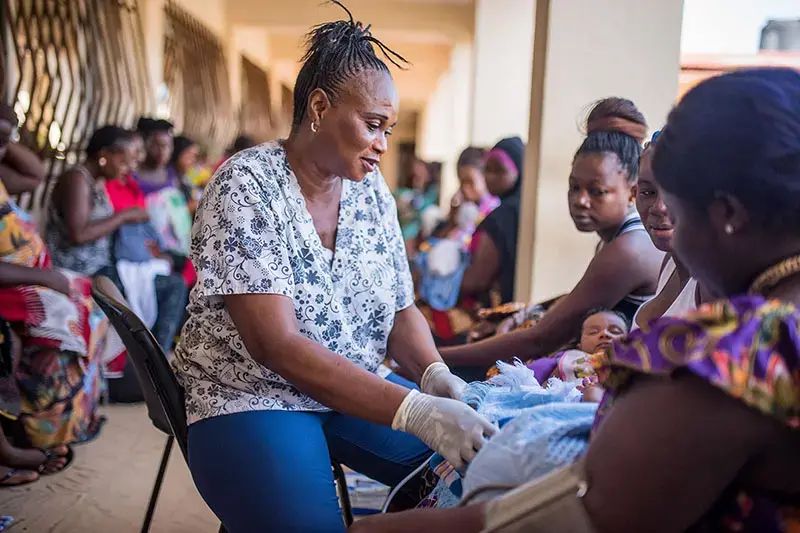
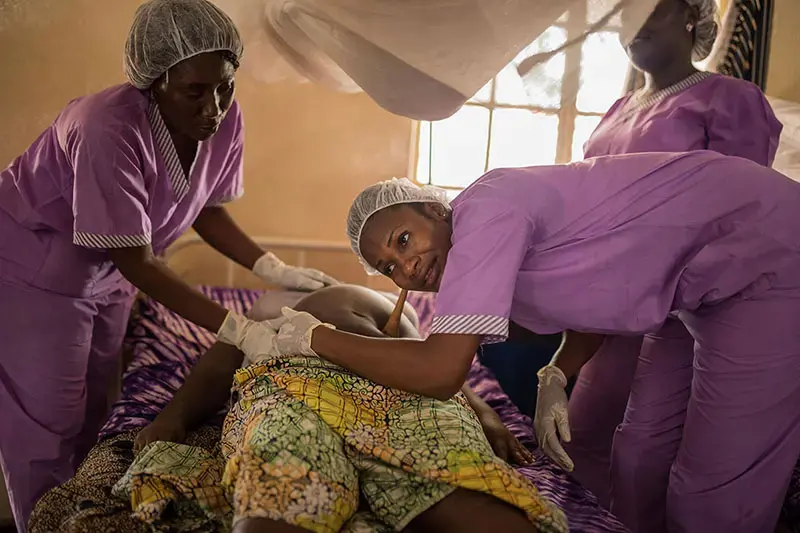
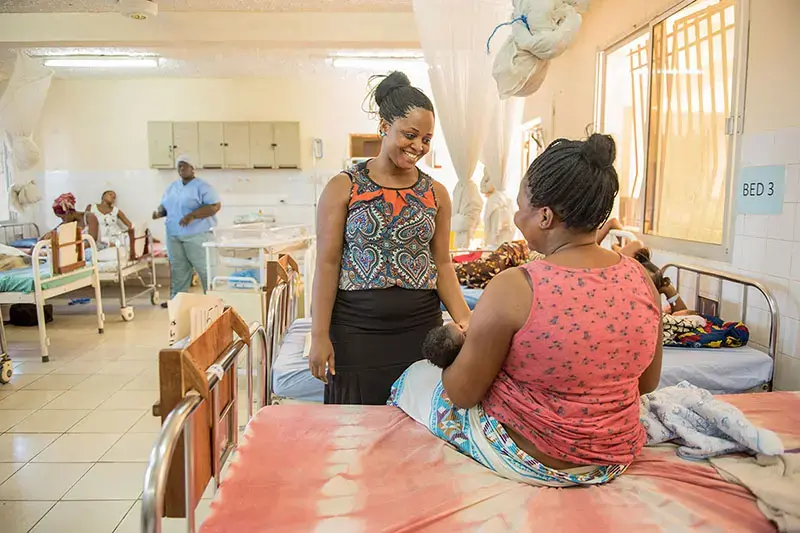
UNFPA is working to restore access to reproductive health care and put girls back in school. Midwife Musu Turay with mothers and newborns. © Olivia Acland, United Nations

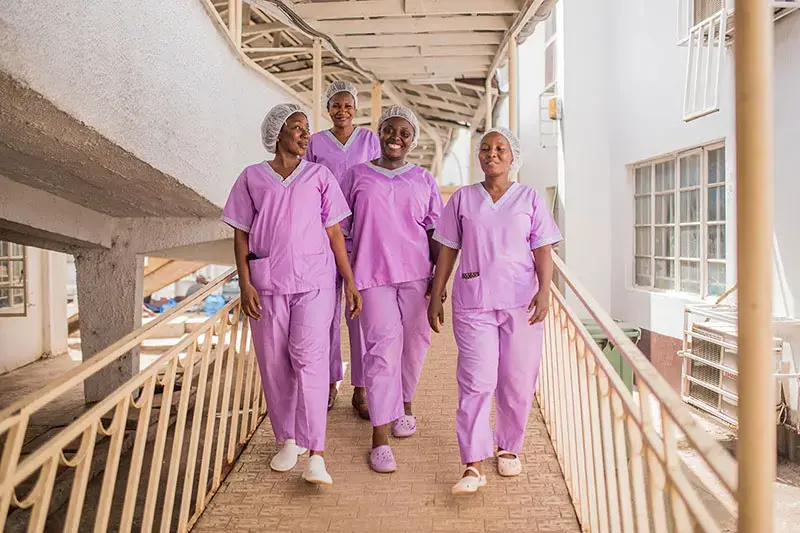
In addition to supporting women's health facilities, UNFPA is also supporting two midwifery schools, which will help close critical gaps in reproductive care. © Olivia Acland, United Nations

At the National Midwifery School, future midwives learn the skills necessary to provide a full range of services, from antenatal care to safe deliveries, for pregnant women. © Olivia Acland, United Nations

Midwifery students will also learn to provide family planning counselling, and diagnosis and treatment of sexually transmitted infections. © Olivia Acland, United Nations

In the year since the outbreak ended, a rigorous midwifery curriculum has been adopted for a new generation of midwives, and more than 11,000 girls have returned to school. © Olivia Acland, United Nations

We use cookies and other identifiers to help improve your online experience. By using our website you agree to this, see our cookie policy

X