
16 Days of Activism Against Gender-Based Violence
Violence against women is a violation of human rights.
Every year, the world marks the 16 Days of Activism against Gender-Based Violence campaign – which begins on the International Day for the Elimination of Violence Against Women on 25 November and runs through International Human Rights Day on 10 December – to raise awareness and inspire action to combat gender-based violence.
UNFPA strives to eliminate violence against women and girls in all its forms, including sexual and physical assault, intimate partner violence, emotional abuse, forced and child marriage, female genital mutilation, digital violence and many others, wherever and whenever they occur.
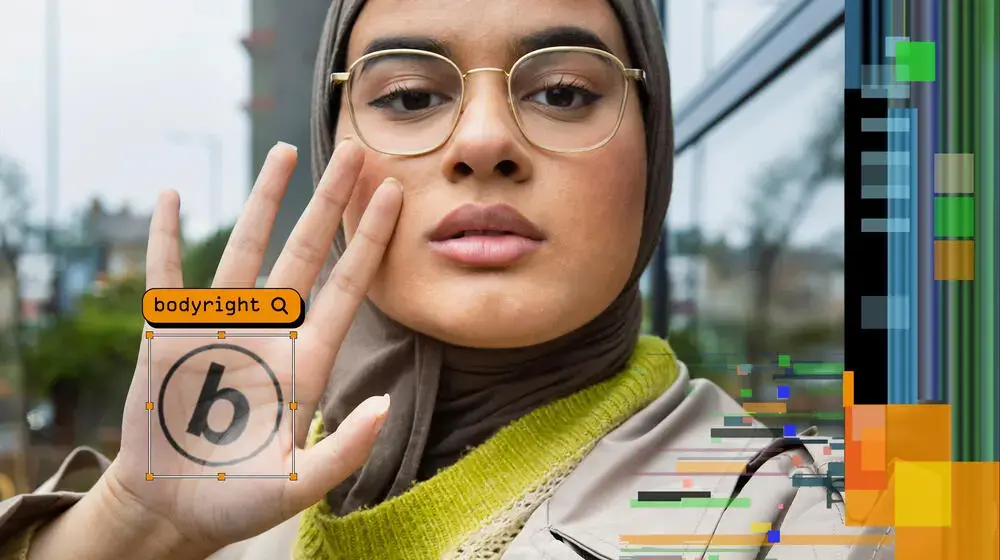
Digital violence takes many nefarious forms, including image-based sexual exploitation that disproportionately affects women and girls. Survivors can feel fear, panic and depression and see adverse effects on their relationships, work and social lives. Sometimes digital violence moves offline, threatening physical safety. UNFPA knows the virtual is real.
With this in mind, the 2025 global theme for the 16 Days campaign is UNiTE to End Digital Violence against All Women and Girls.
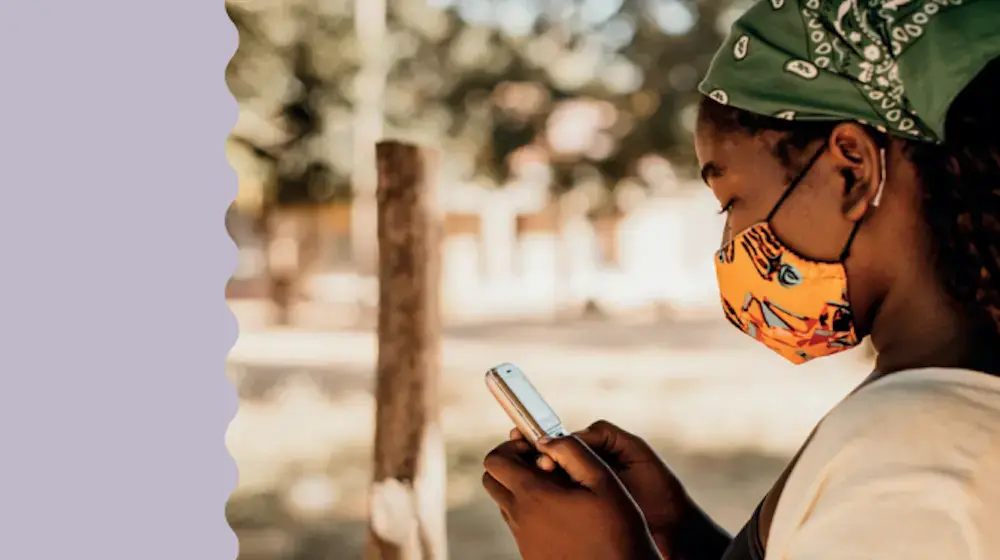
Adolescent girls face some of the greatest risks of digital violence. Increasingly, the social and emotional development of adolescents is taking place in the virtual world – in online spaces rife with gender bias and misogyny that can fuel violence and inflict lasting mental harm on girls.
Girls belong online; we must all unite to make it a safe space.
To that end, governments and tech companies must regulate the technology design and data collection systems that drive social media business models, to prevent the spread of misogyny and discrimination. Parents, guardians and educators should engage with adolescents – including boys – to build critical thinking skills around online content, consent and respectful relationships. And embedding online safety education in schools and youth programmes equips adolescents to know their rights, recognize discrimination and protect themselves and others.
Updated 17 November 2025