
Advancing Equity and Social Justice for People of African Descent
Leave no one behind. This is a guiding principle of the UN 2030 Agenda for Sustainable Development. It calls for eradicating poverty, discrimination and inequality. Yet for too many, racism, sexism and systemic exclusion continue to shape daily realities.
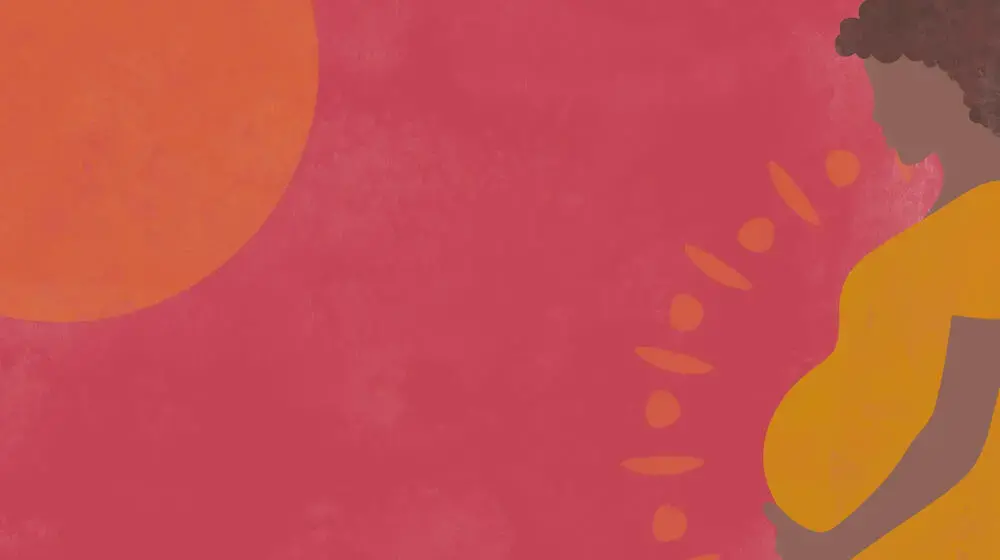
In particular, people of African descent across the world experience structural racism and discrimination, resulting in persistent inequities in health, rights and opportunities. Afrodescendent women, girls and adolescents are disproportionately affected by violations of their sexual and reproductive health and rights, including higher risks of adolescent pregnancy, limited access to contraceptives, inadequate maternal health services and exposure to racist and sexist neglect, and even violence, in healthcare settings.
The consequences are stark. Afrodescendent women in the Americas are more likely to die in pregnancy or childbirth – not because of biology, but because of systemic discrimination, denial of respectful care and neglect of postpartum needs. Adolescent girls of African descent also face disproportionately high rates of unintended pregnancies, compounding cycles of poverty and exclusion. A woman or girl’s race and age must never determine whether she receives life-saving care or has the ability to exercise her rights and choices.
Guided by relevant UN frameworks, including the 2030 Agenda, the Montevideo Consensus on Population and Development, the Durban Declaration and Programme of Action and the International Decades for People of African Descent, UNFPA works to advance the rights and choices of Afrodescendants, particularly women, girls and young people, and to help fulfil their human rights, dignity and full potential.
Click on one section to learn more about it