Redefining manhood: Why one Kenyan man is breaking tradition to stand up for girls
Patrick Ngigi was working as a teacher in Narok County, Kenya, nearly 30 years ago when a student asked him for help. It would change the direction of his life.
“In 1997, I was working as a head teacher when a girl came to me and pleaded for help so she wouldn’t be married off,” he says. “I took her to my mother’s house because we didn’t have any rescue centres available. That is how the Mission with a Vision rescue centre began.”
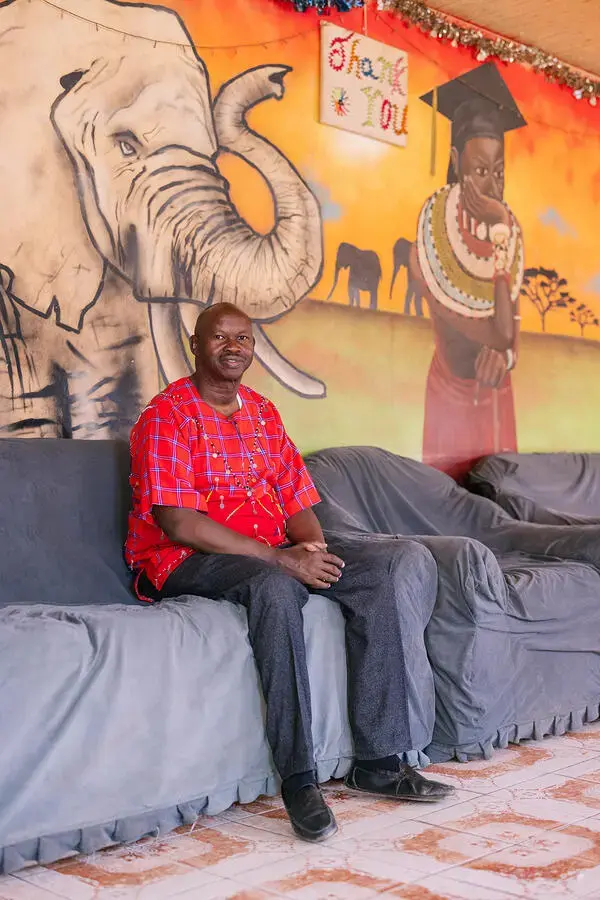
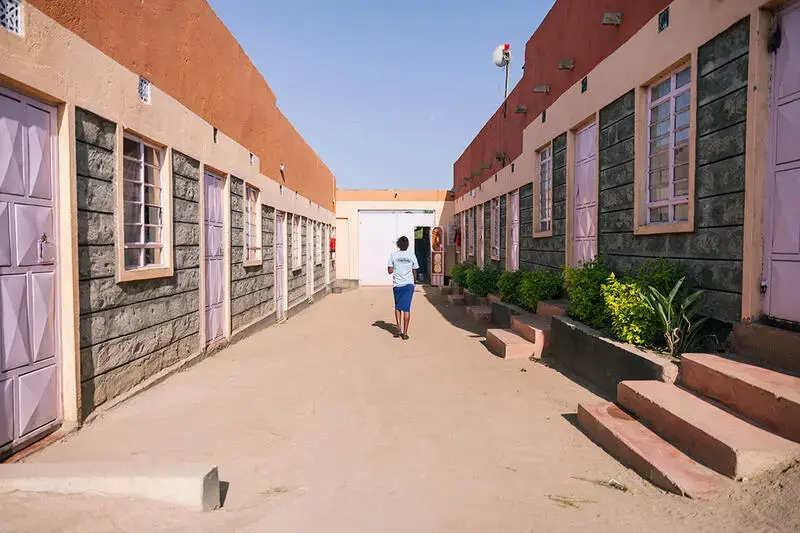
It’s not just Patrick’s life that has been transformed. Over the years, his rescue centre has helped around 3,500 girls avoid female genital mutilation, child marriage, rape and other forms of gender-based violence. The centre now accommodates up to 120 girls across two facilities. Patrick is proud to make a difference, but says it remains an uphill struggle
“There is no positive impact of undergoing female genital mutilation…only suffering that lasts.”
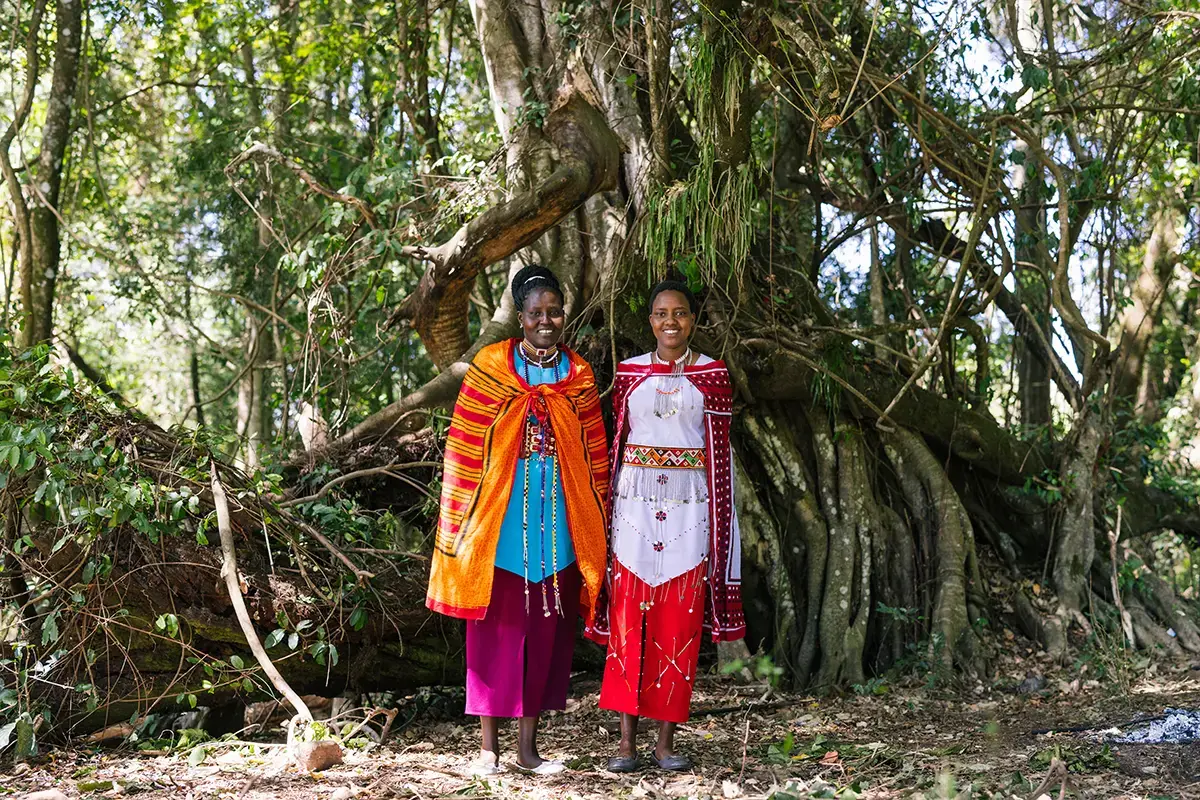
Across Narok County, more than half of girls are known to be subjected to female genital mutilation, a painful and potentially deadly human rights violation. Despite a national ban, it remains common, particularly in rural areas, and is prevalent among the local Maasai community.
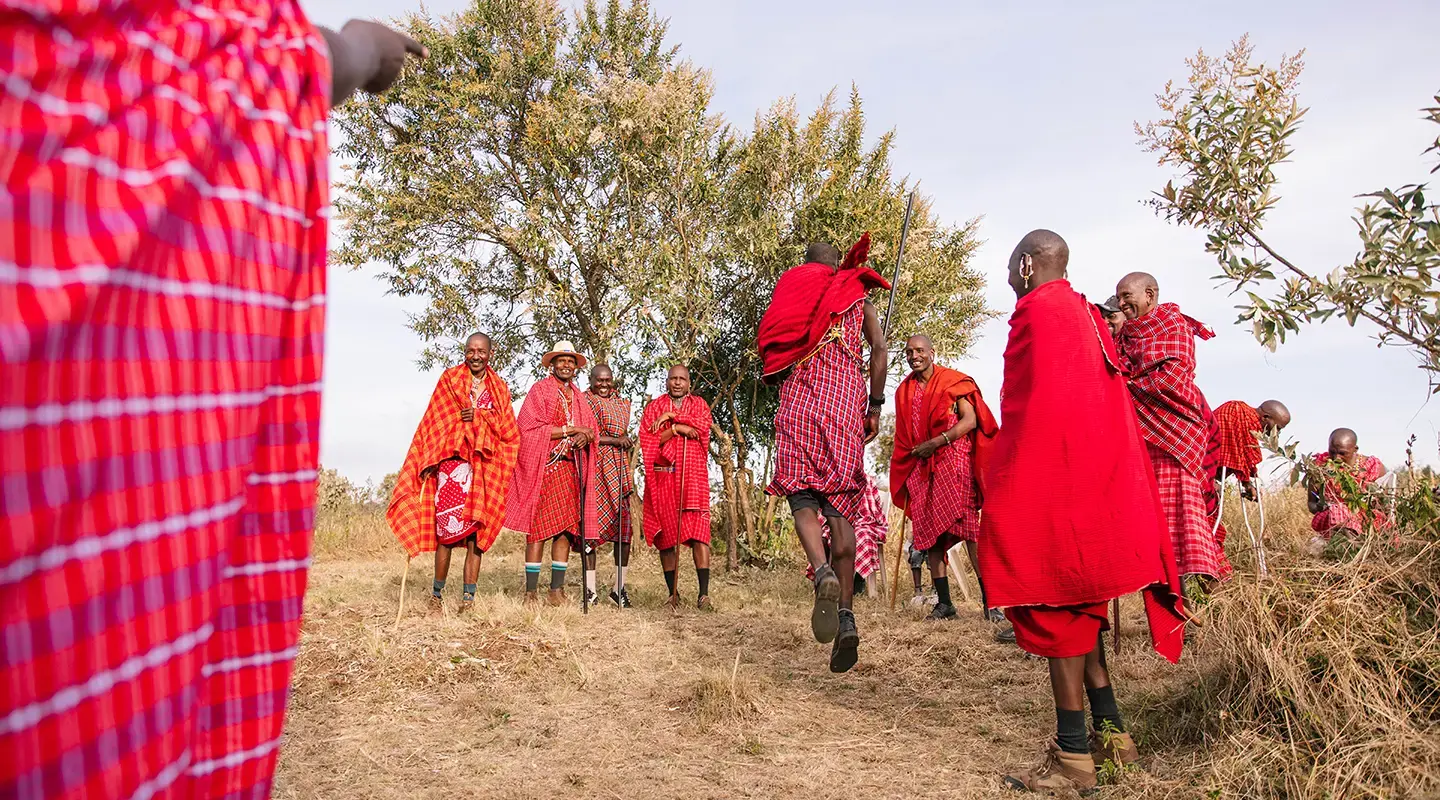
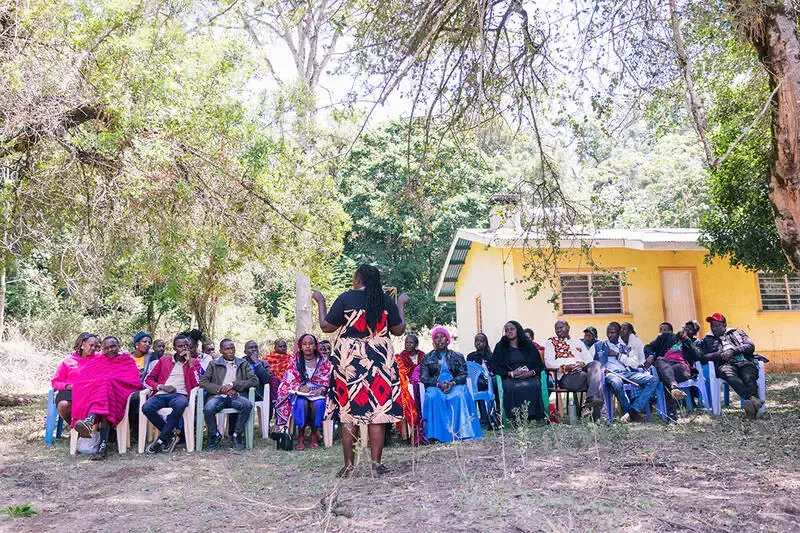
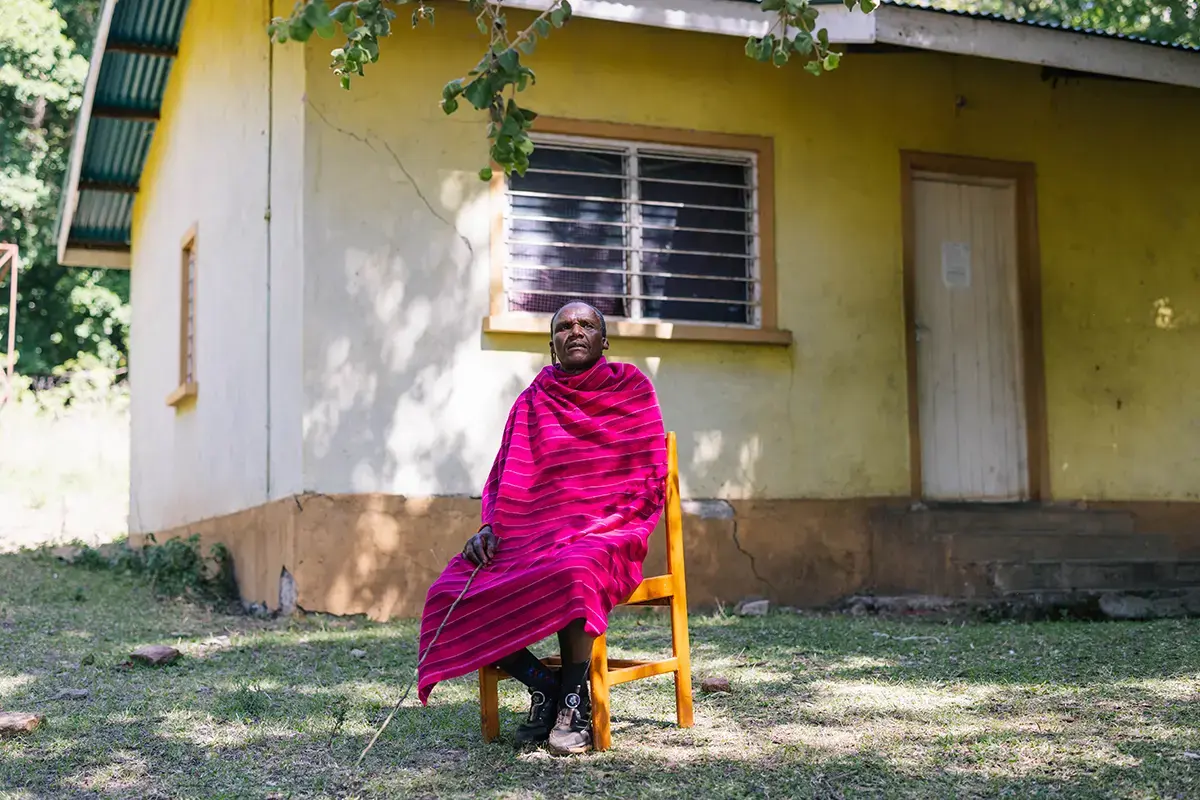
One way Patrick and partners are working to change this is through the power of community dialogues. These can include male engagement sessions for Maasai elders and young men, known as Morans, as well as wider community dialogues involving survivors of female genital mutilation and other advocates. Patrick believes education is the greatest force for change.
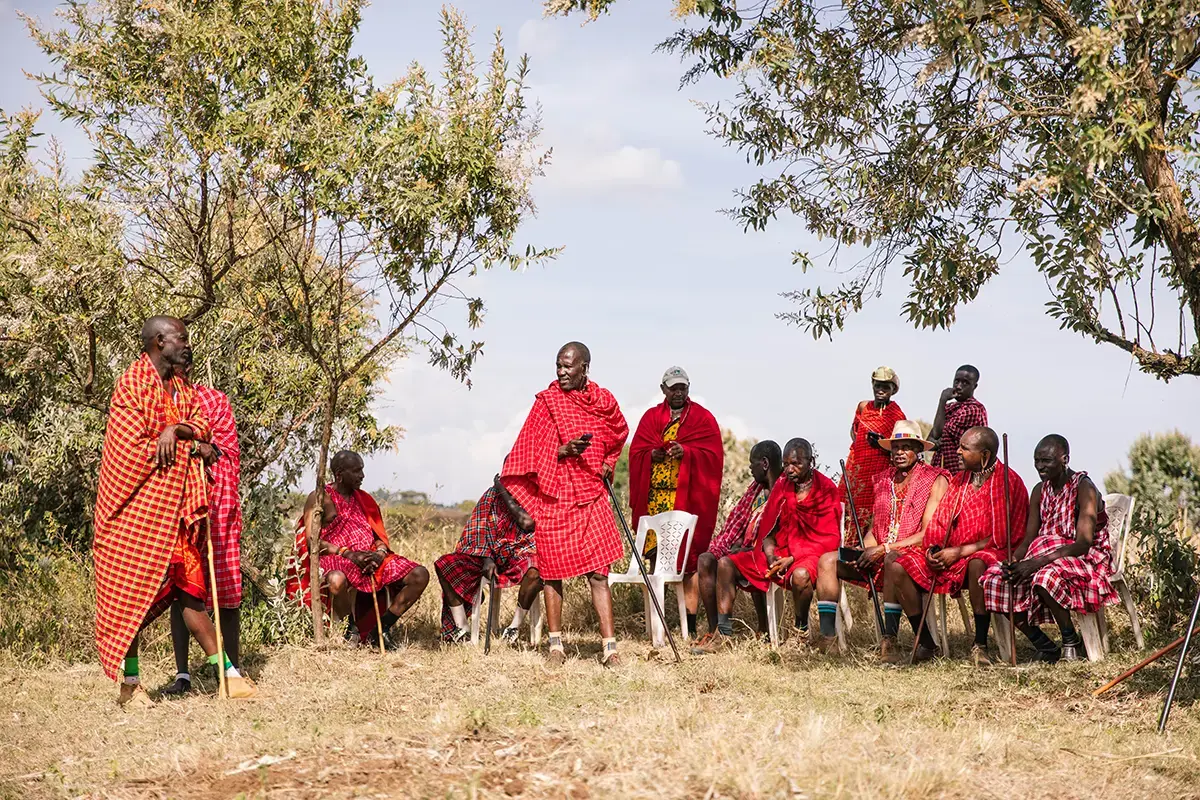
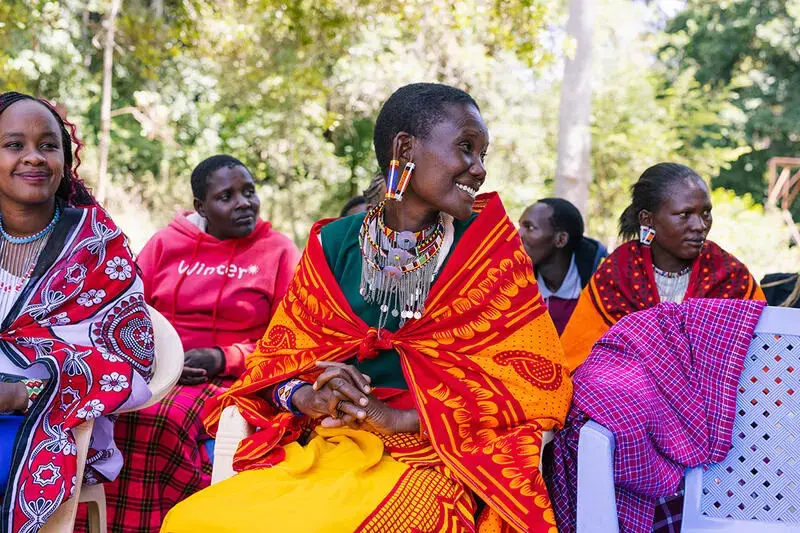
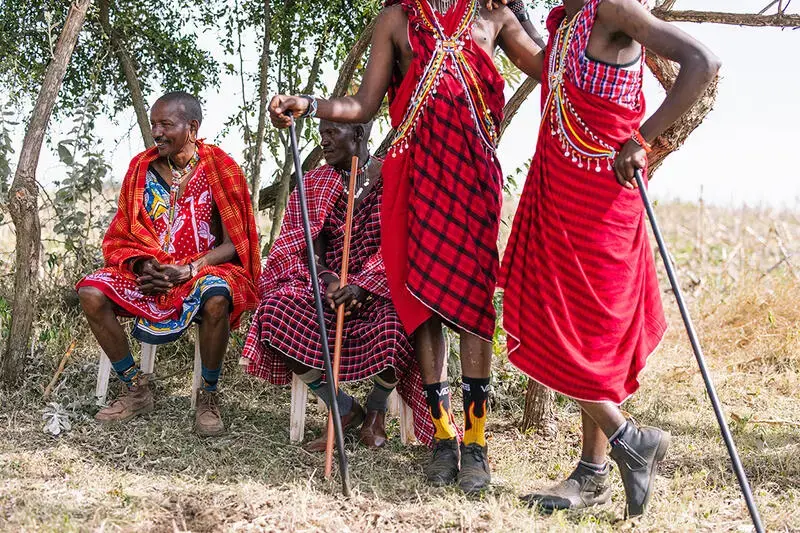
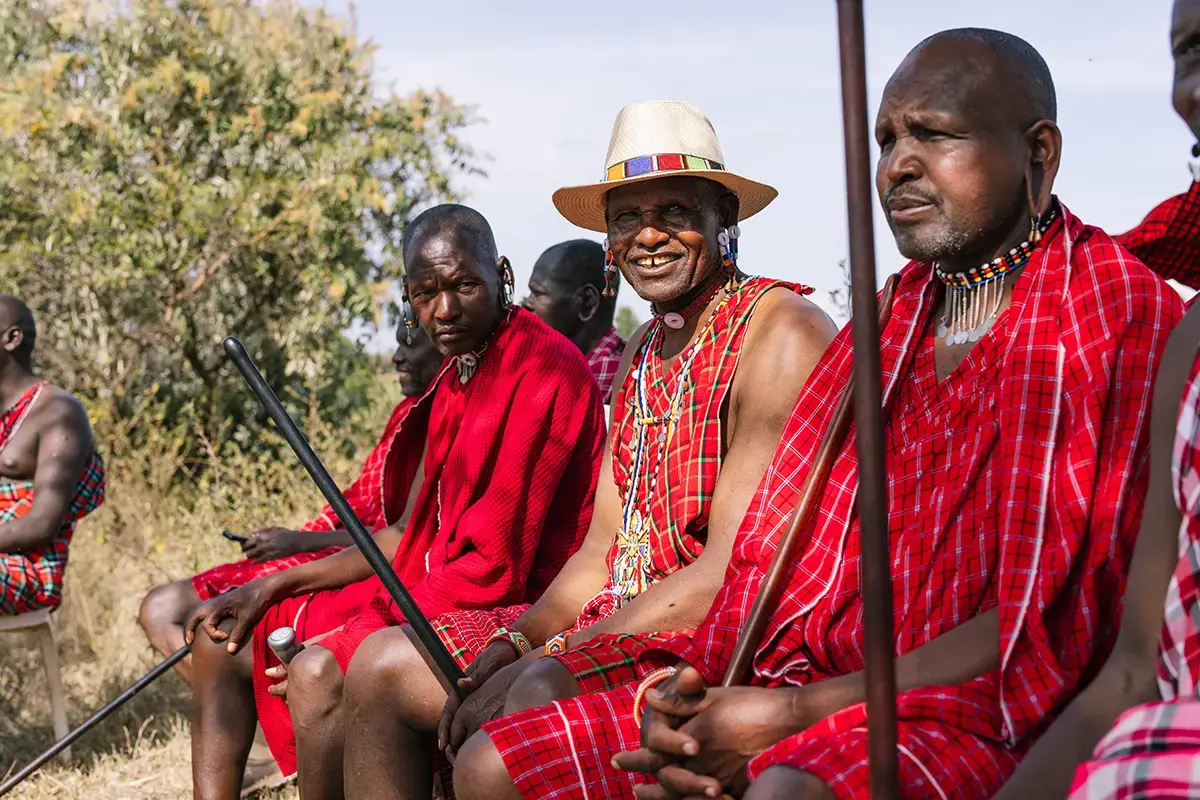
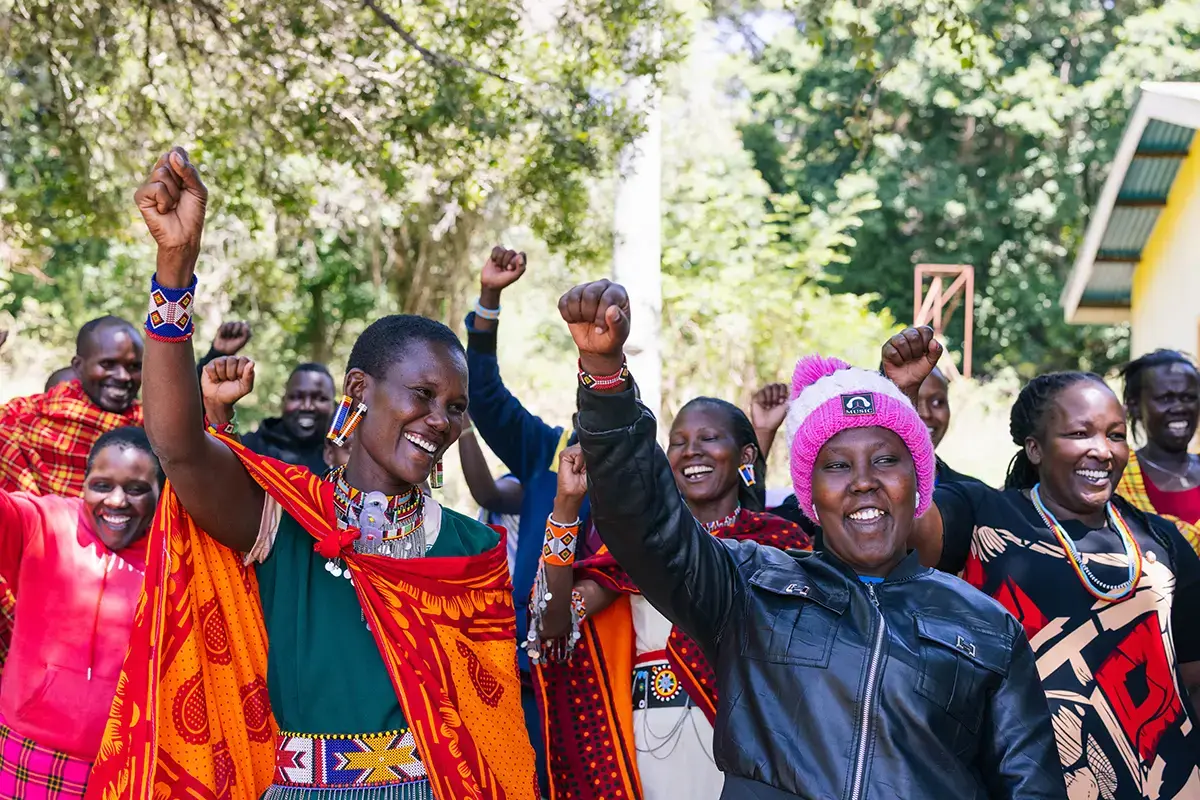
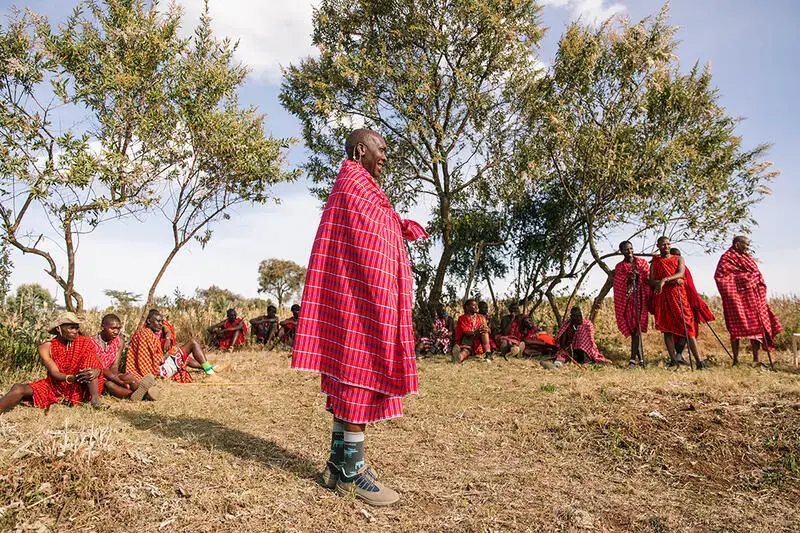
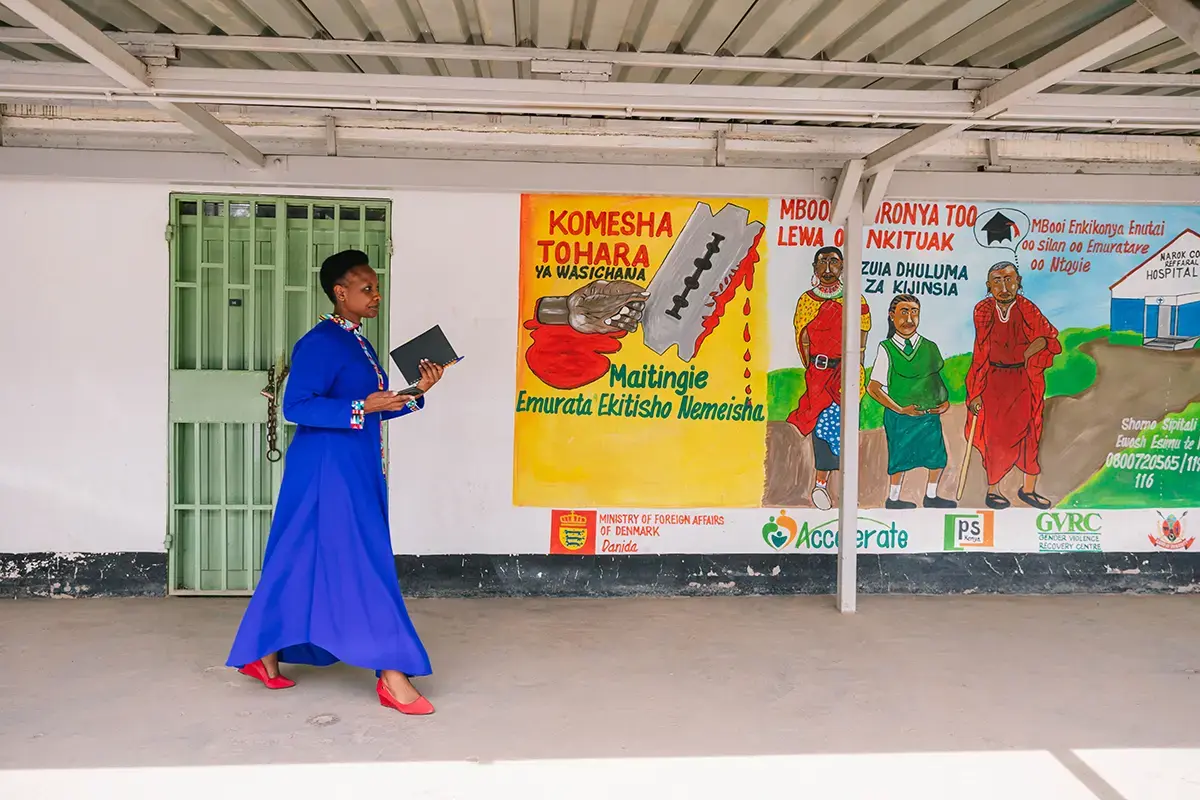
UNFPA, the United Nations Population Fund, which is the sexual and reproductive health agency of the UN, supports both Mission with a Vision and the community dialogues, along with a number of other prevention initiatives, in addition to providing support for survivors.
These activities are part of the UNFPA-UNICEF Joint Programme on the Elimination of Female Genital Mutilation. The largest global programme to accelerate the elimination of the harmful practice, it operates across 18 countries.
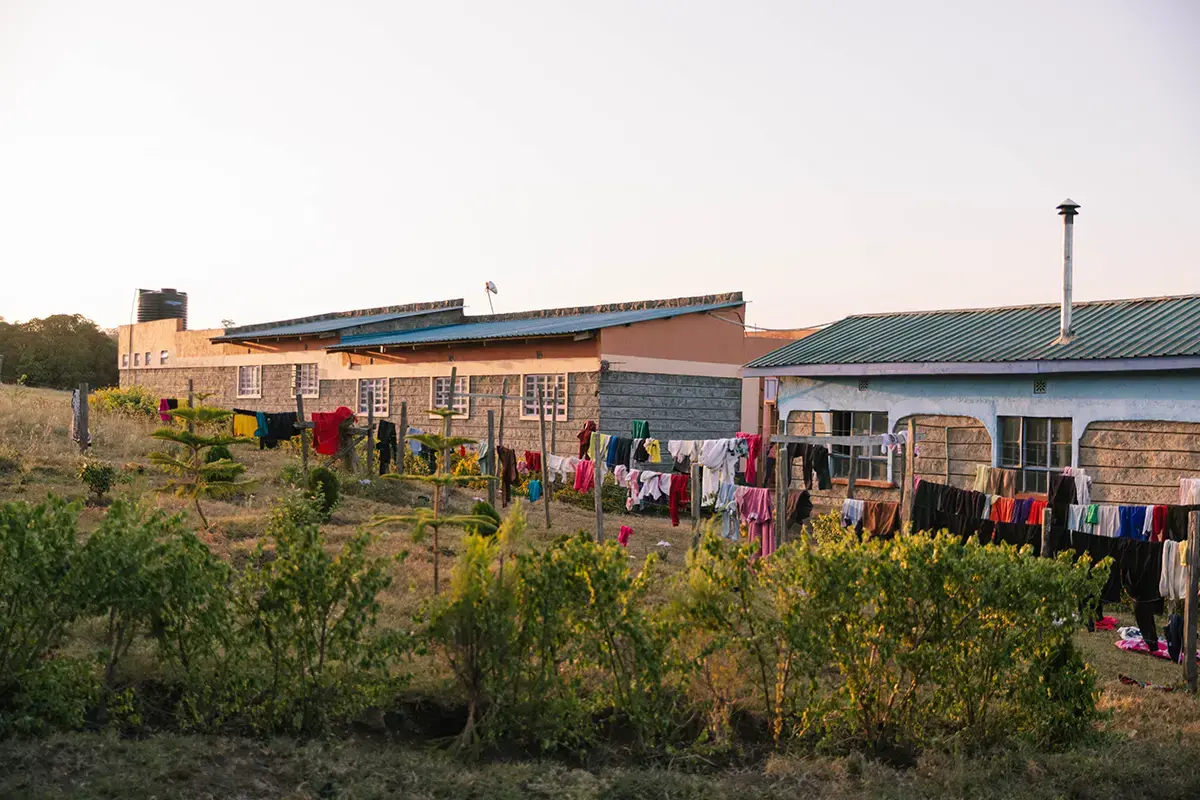
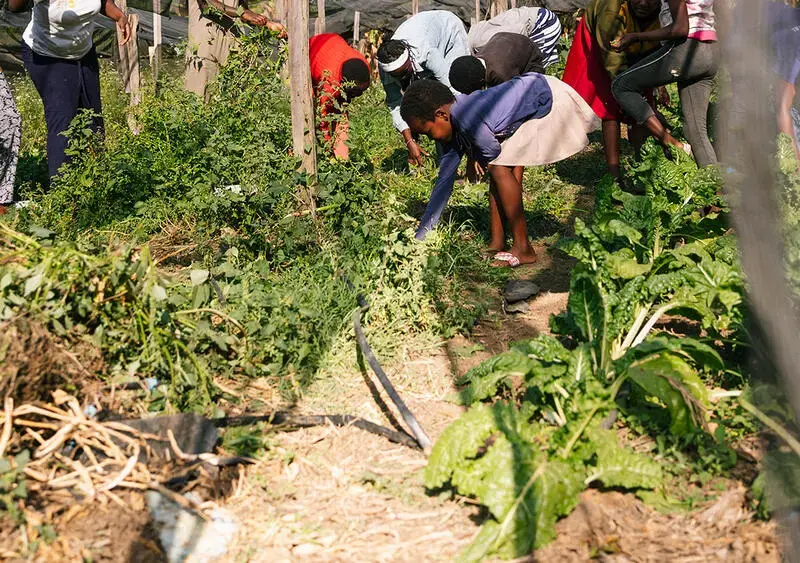
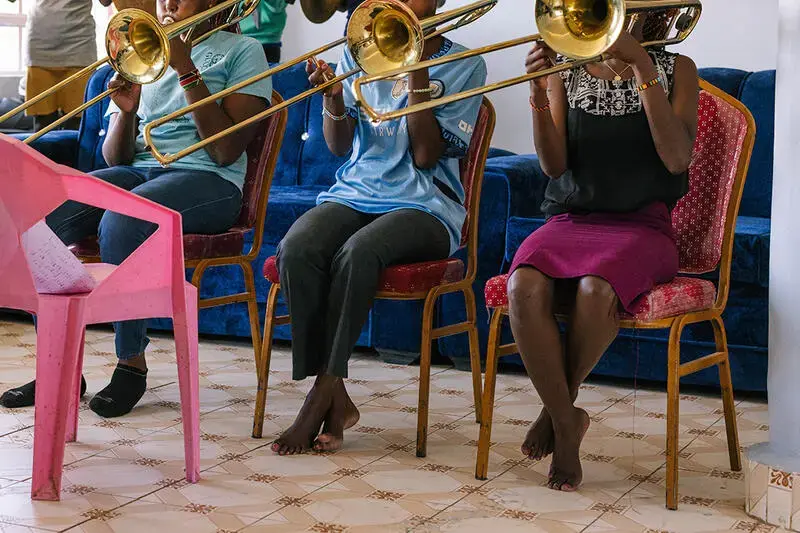
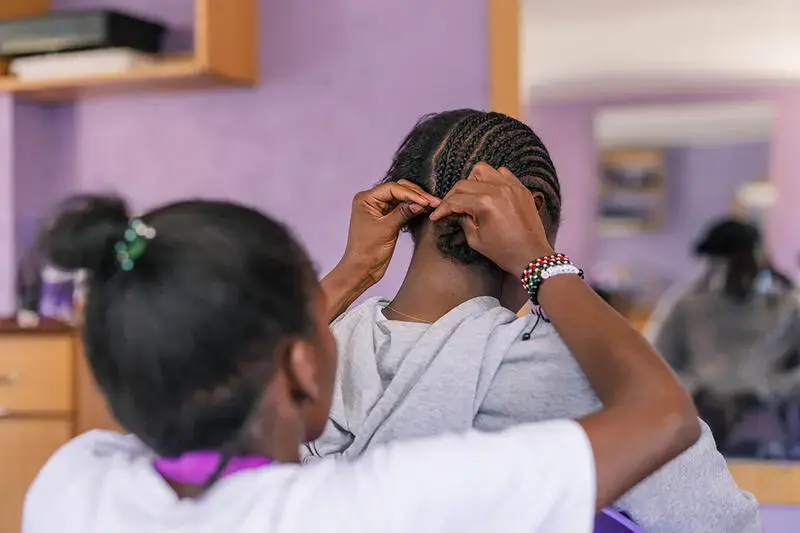
Back at the rescue centre, girls and young women are being supported to fulfil their potential. They can return to an education that they had to abandon when they left their families, and learn skills in a supportive, familial environment.
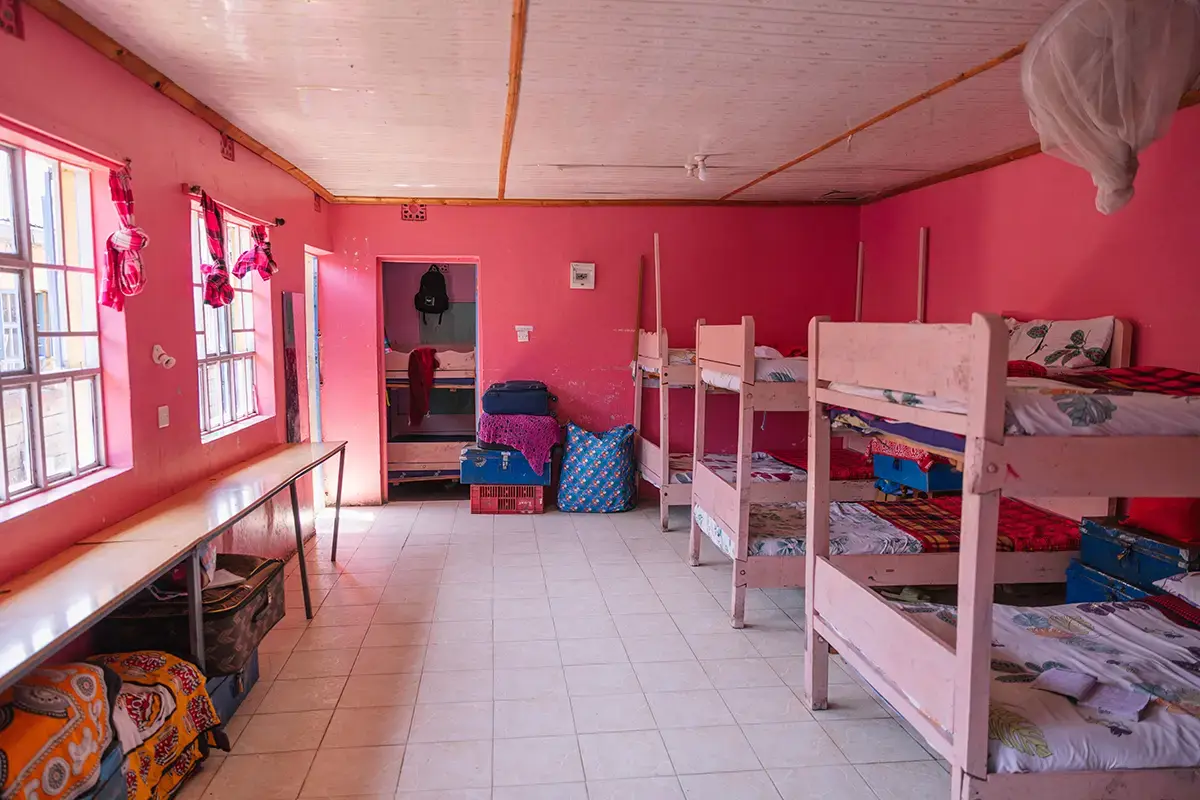
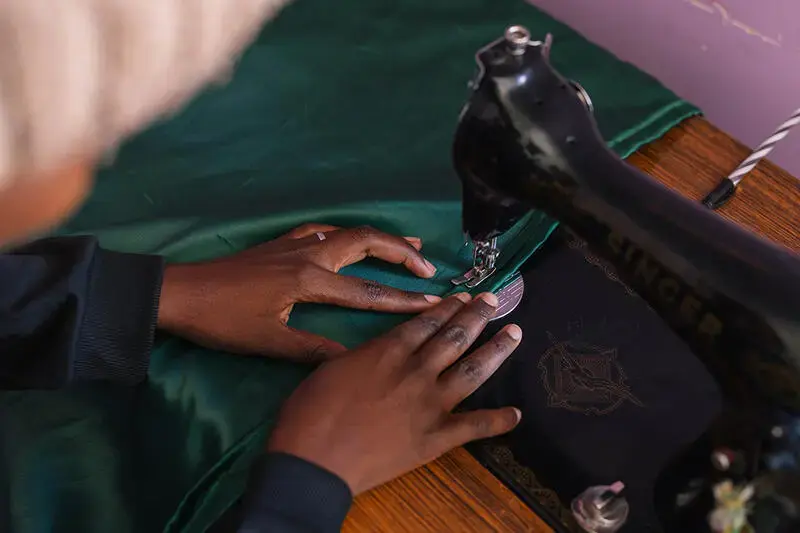
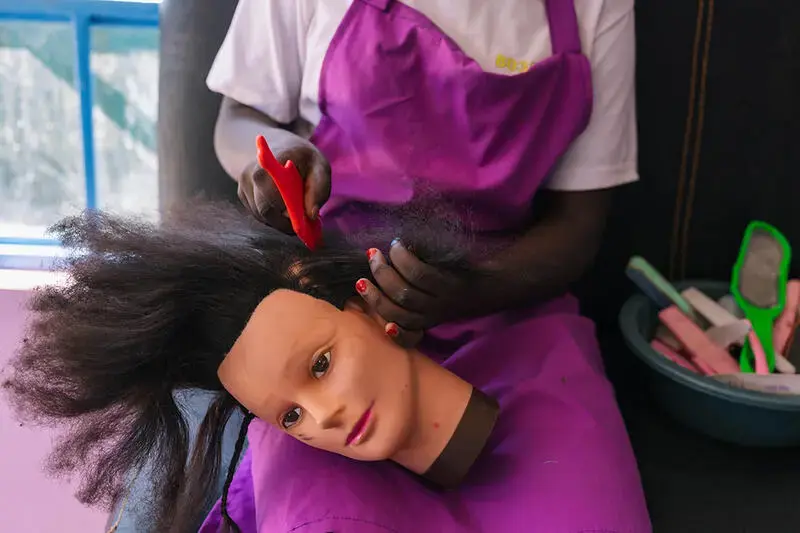
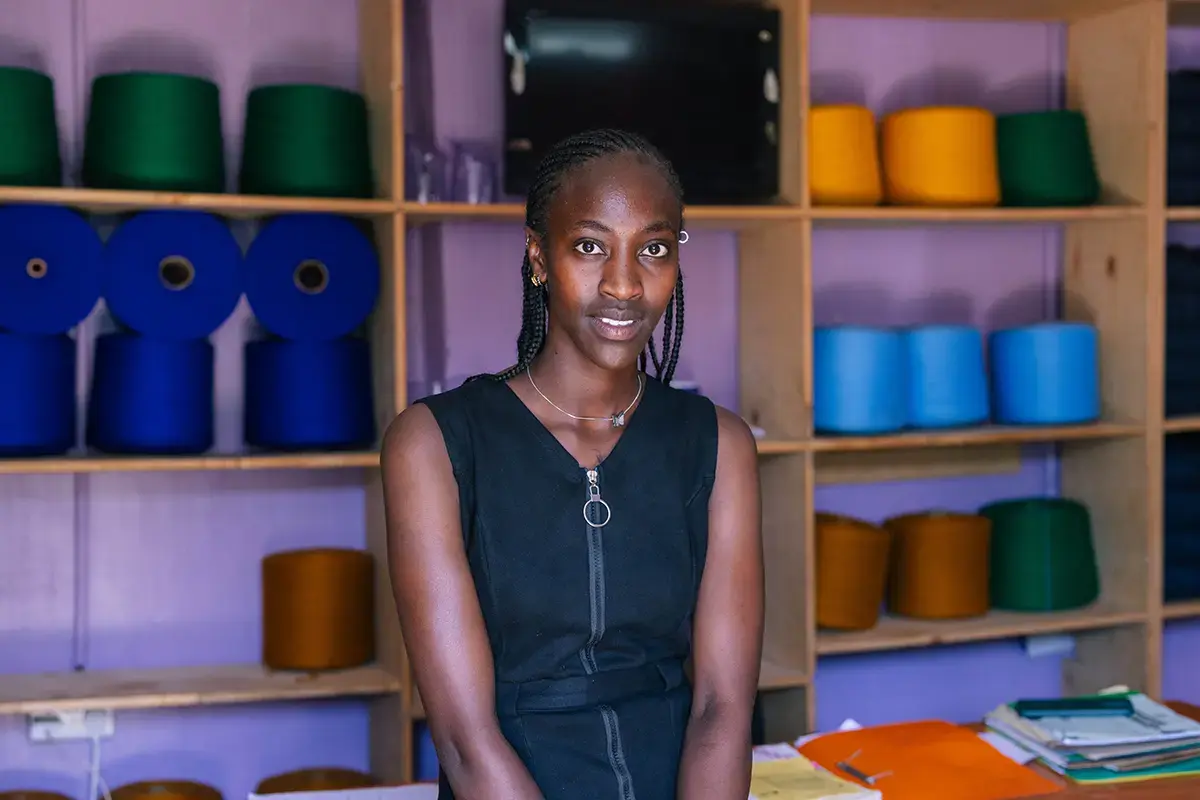
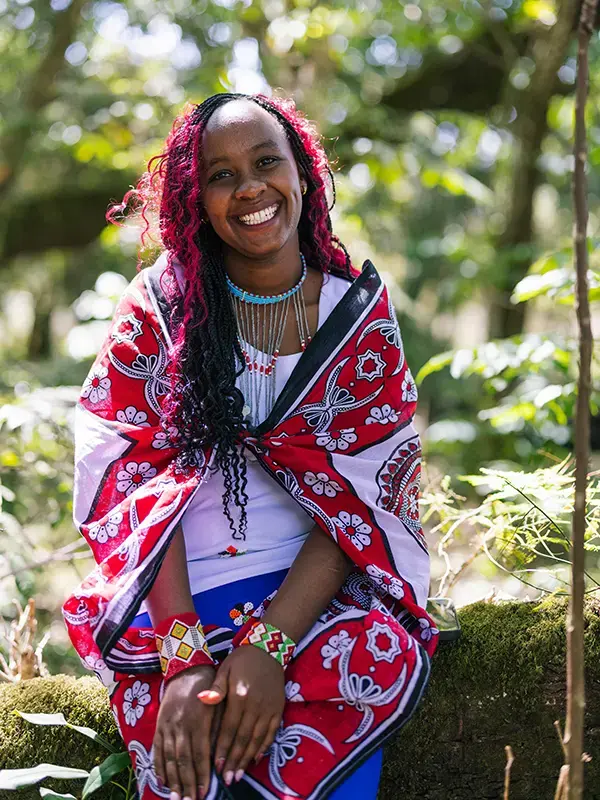
Cynthia, 23, escaped female genital mutilation at the age of 11. The centre has been her home for 13 years, and she is now employed there, offering encouragement and support to girls. She has studied supply chain and procurement management and sees herself becoming a successful businesswoman in the future.
“I come from a very large family. For many girls, early marriage and female genital mutilation were decided for them before they could choose anything for themselves. My younger sister and I escaped at dawn without my father knowing. It was the only way to protect our future and continue our education. When the community found out we were in a safe house, my mother paid the price – she was mocked, isolated and disowned because of us,” she says.
“Today, I am a leader here. I support younger girls, help them stay in school and remind them that their future matters. There is no positive impact of undergoing female genital mutilation; what girls talk about is pain, bleeding and suffering that lasts.”
“I loved education, so I ran for my life.”
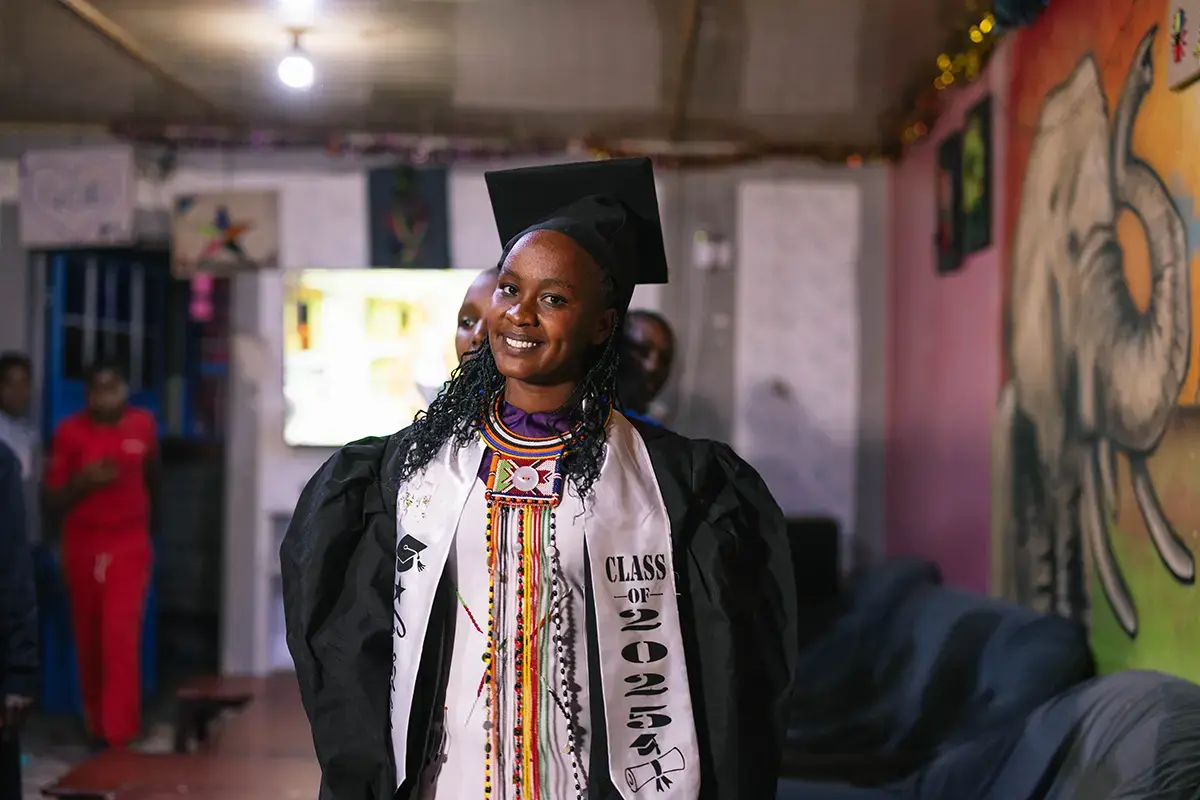
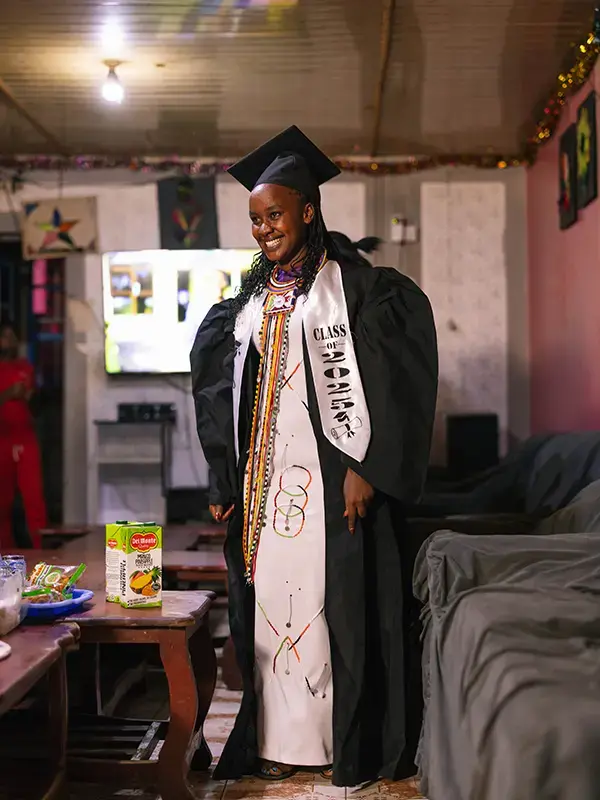
Cecilia, 24, also a resident at the centre, has just earned a diploma in counselling psychology, and her housemates and staffers are celebrating with her.
Cecilia said no to female genital mutilation. “I loved education, so I ran for my life,” she says. “They still stigmatize me,” she says of her community, “but I don’t care. I wanted to change my life.” Her decision to study counselling was driven by her personal experience of being a girl in need of help. “I now want to be that help.”
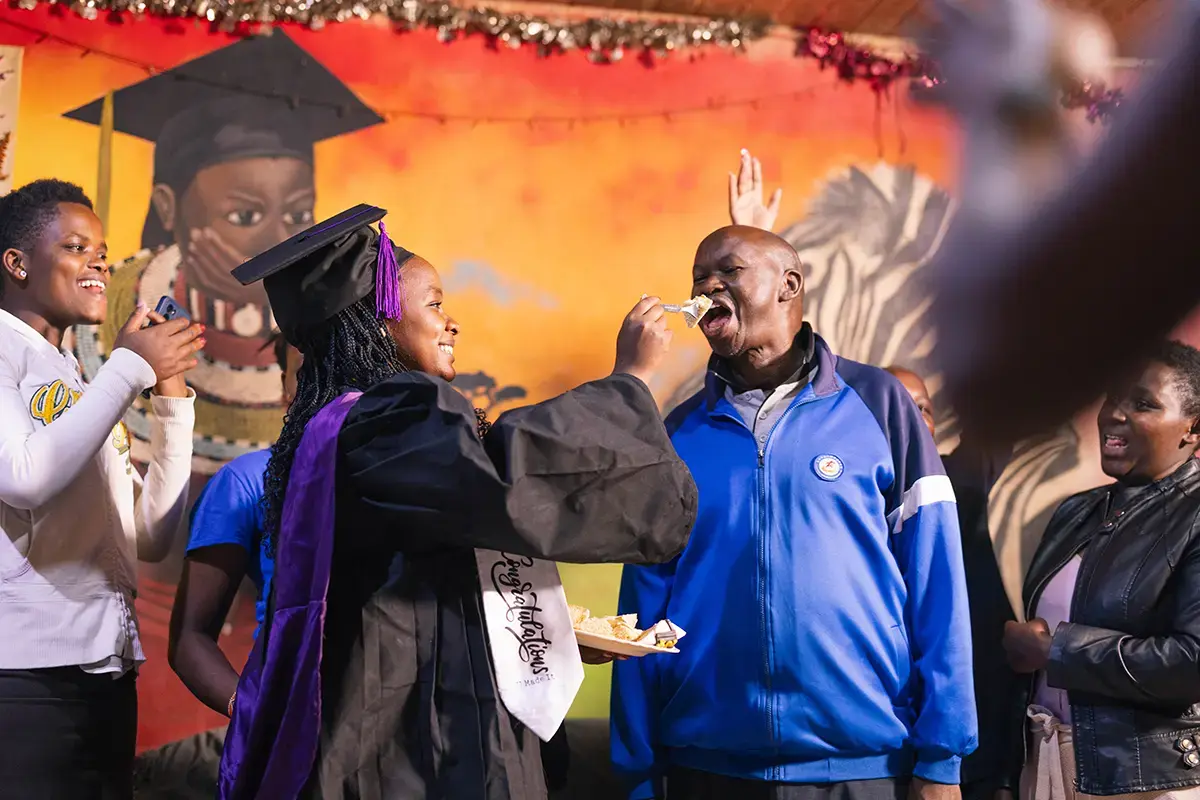
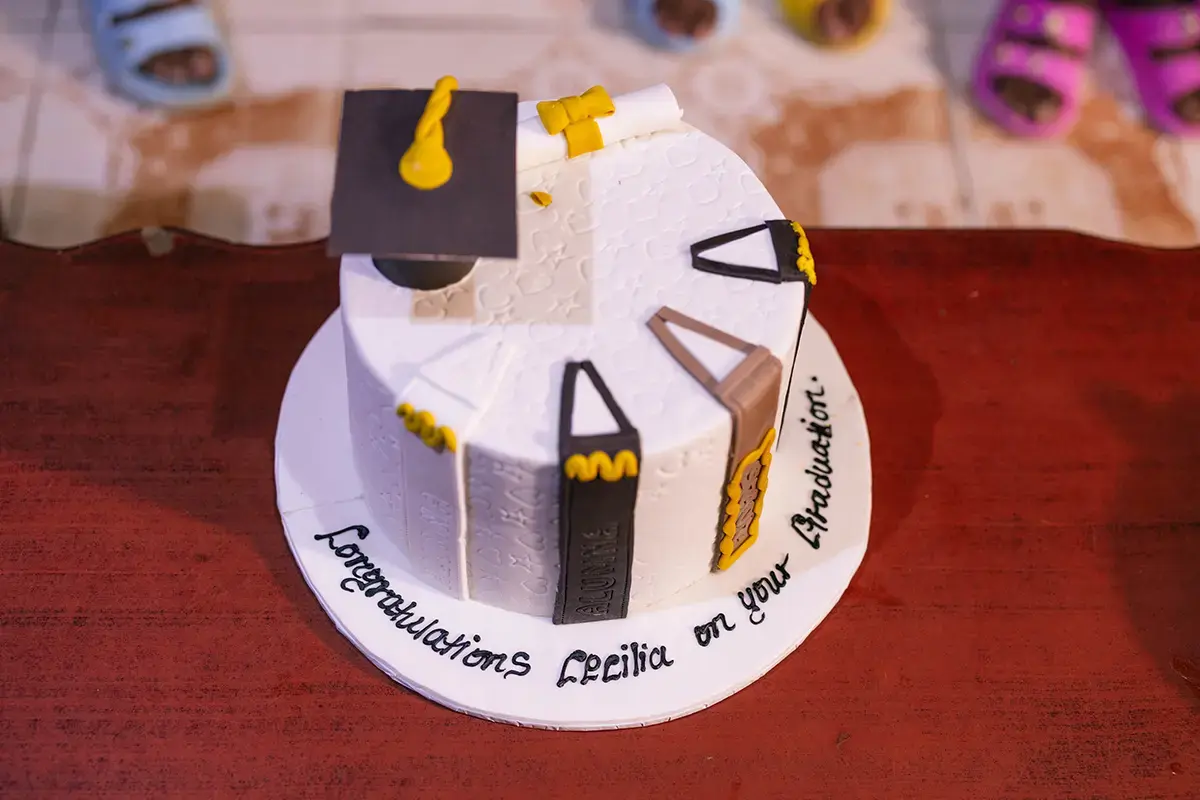
Every single girl’s escape from female genital mutilation and child marriage, along with their achievements, are successes celebrated by the entire centre – and the wider movement against female genital mutilation, both locally and globally.