The long road to healing in Sudan
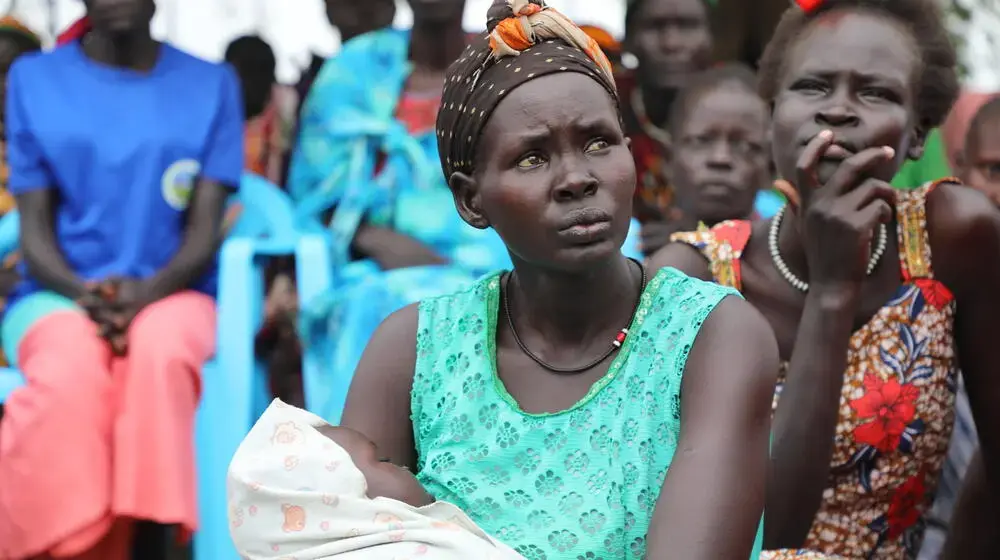
“We left with nothing but our lives,” says a mother of five named Anna, describing how she and her children fled their home amid armed conflict in South Kordofan state in Sudan. The journey was harrowing: As they crossed through a forest in search of safety, fighters tried to gun them down.
“Not everyone we travelled with survived,” she told UNFPA, the United Nations Population Fund, which is the sexual and reproductive health agency of the UN. “One man was shot dead. Another was taken, and we don’t know what happened to him.”
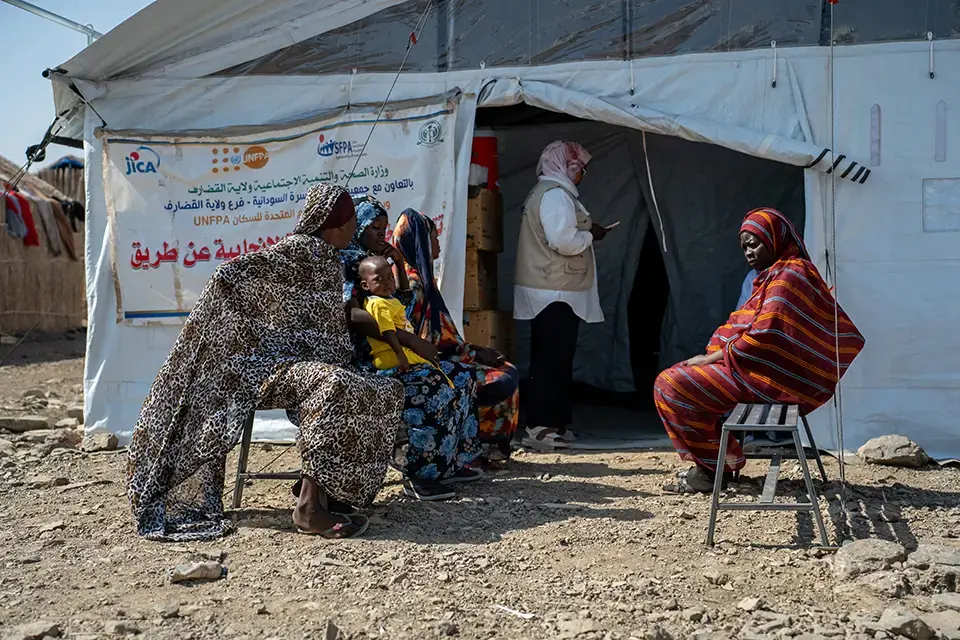
She and her children made it to the Abu Al Naja camp in the town of Gedaref, about 1,000 km from their home in the city of Kadugli. At the camp, a UNFPA-supported mobile health team stood ready, offering healthcare and much-needed emotional support.
Anna’s husband is not with the family; he went missing amid the chaos of war, and is feared dead.
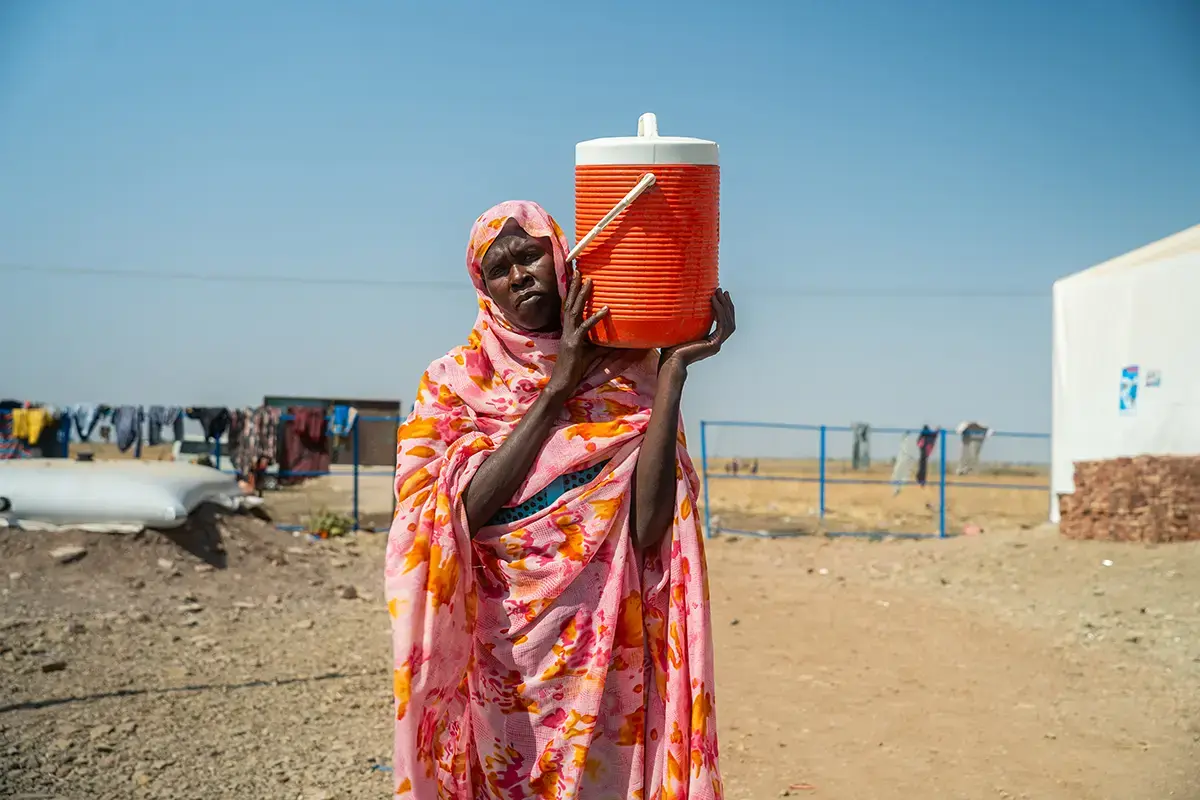
Anna and her children are among the tens of thousands of people who have been displaced from the Kordofan region, an area that has become a flashpoint in the ongoing war in Sudan.
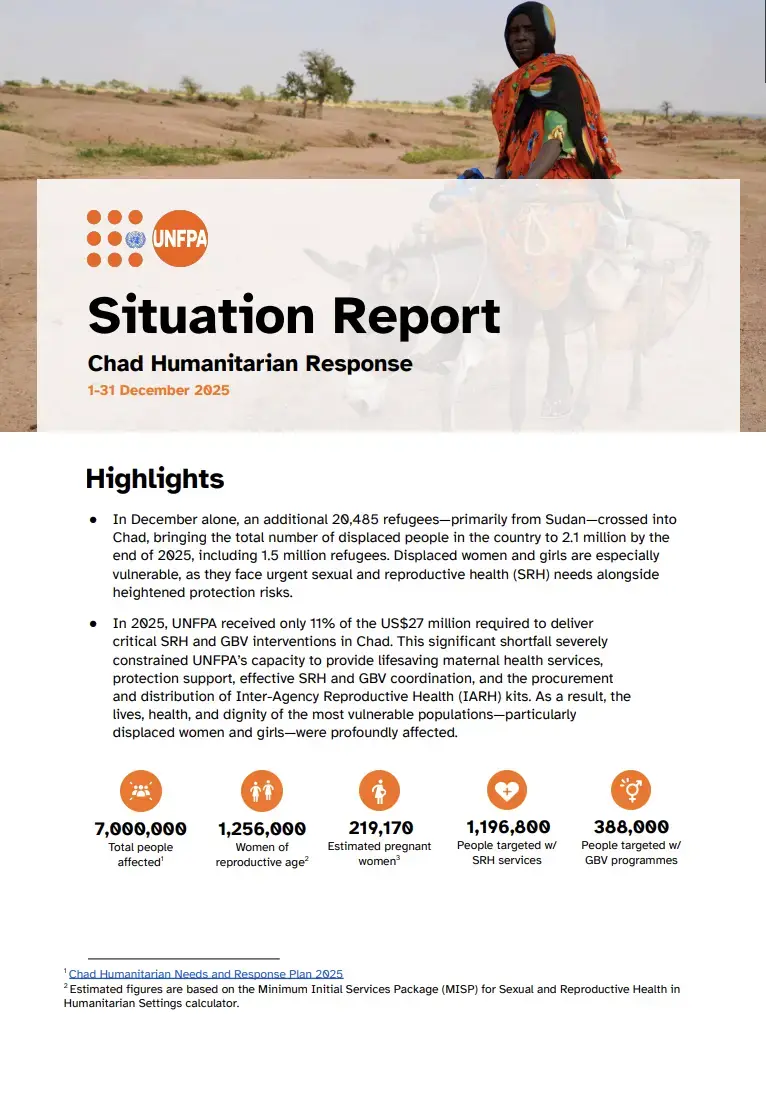
The country is experiencing the world’s largest displacement crisis, with some 13.6 million people uprooted by the fighting – around 9.3 million internally displaced and 4.3 million seeking refuge in neighbouring countries. The war has been marked by atrocities committed against civilians, including mass killings and rape.
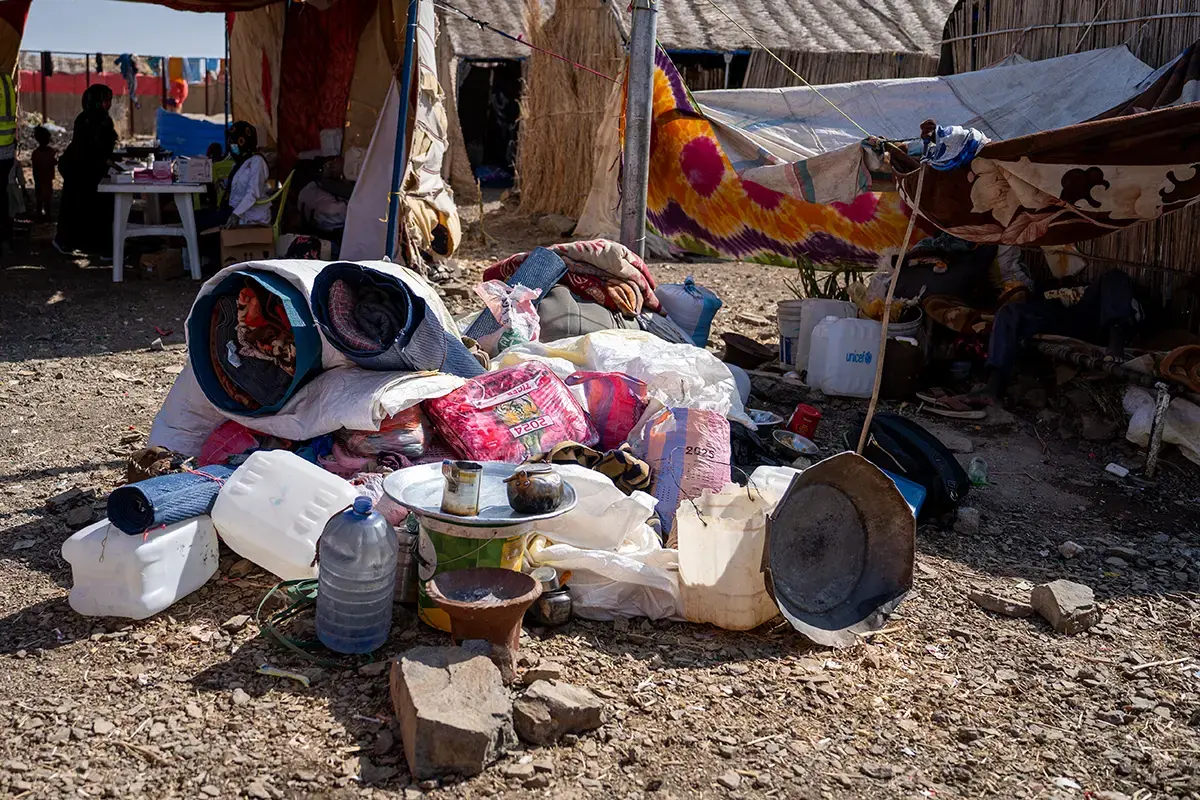
“Our houses were destroyed. There is nothing to return to.”
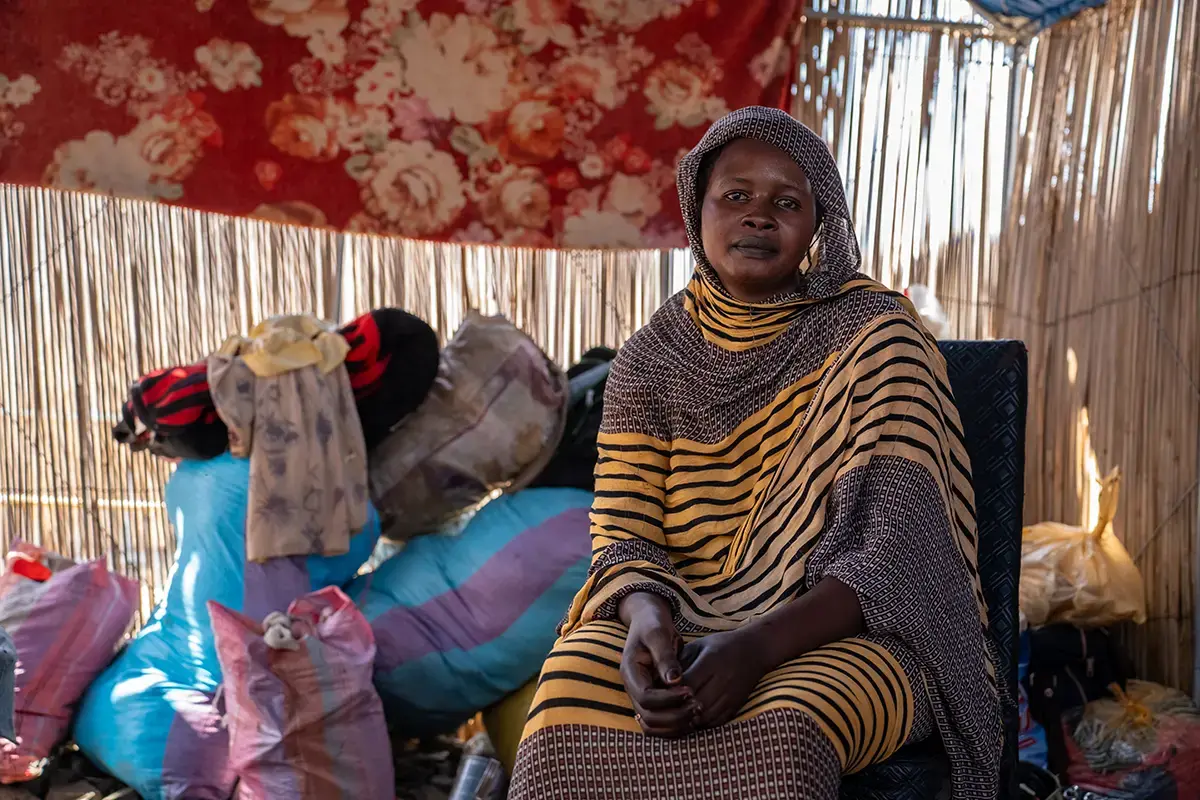
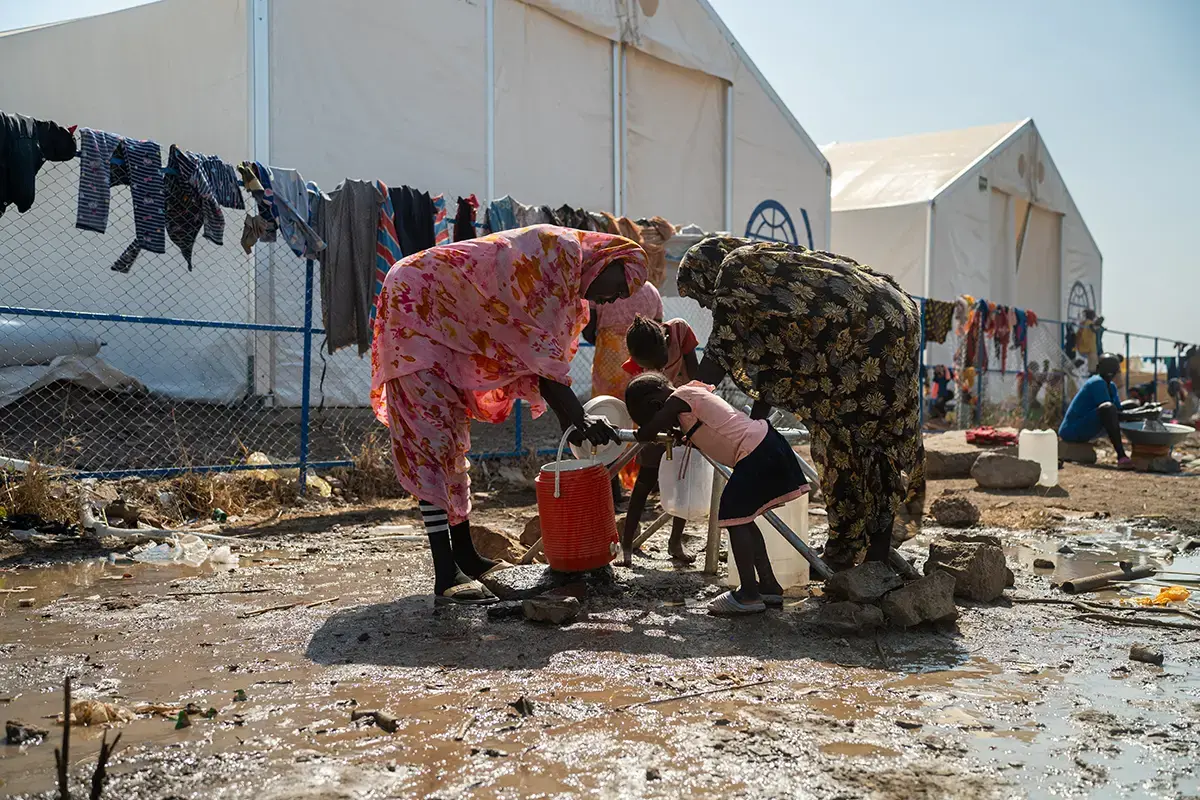
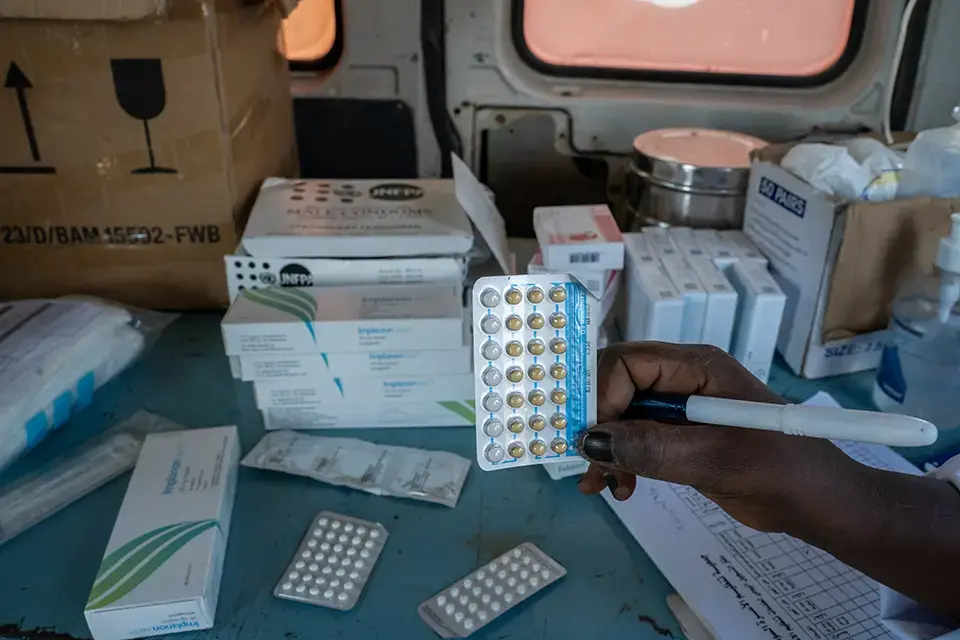
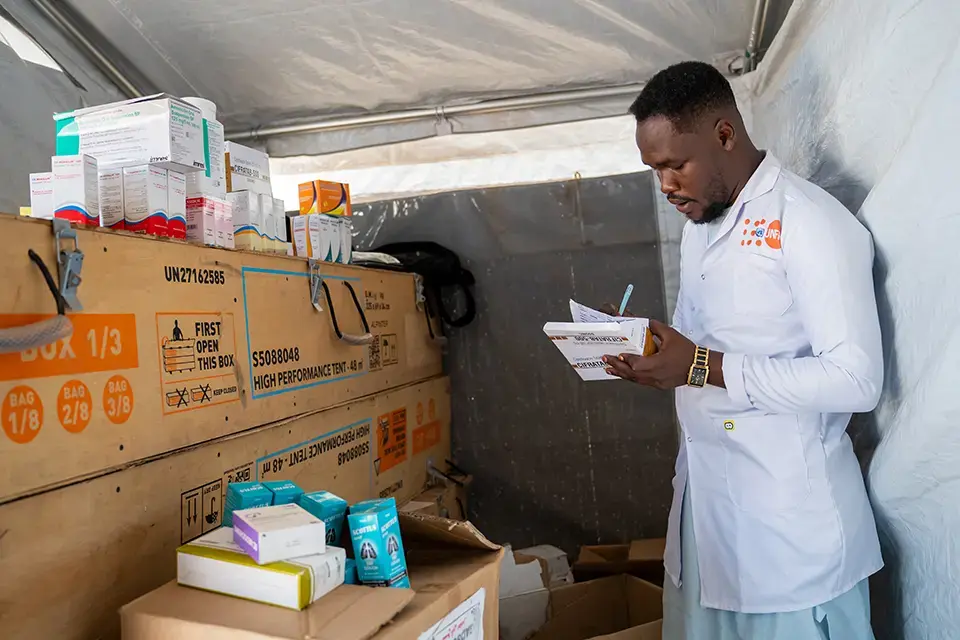
UNFPA supports the mobile health team in the Abu Al Naja camp by providing physical and mental healthcare, essential medicines, including for the clinical management of rape, and referral services. Midwives are on hand to ensure safe deliveries and antenatal and postnatal care.
“Healthcare is not only about medication, but also about providing support, safety and dignity.”
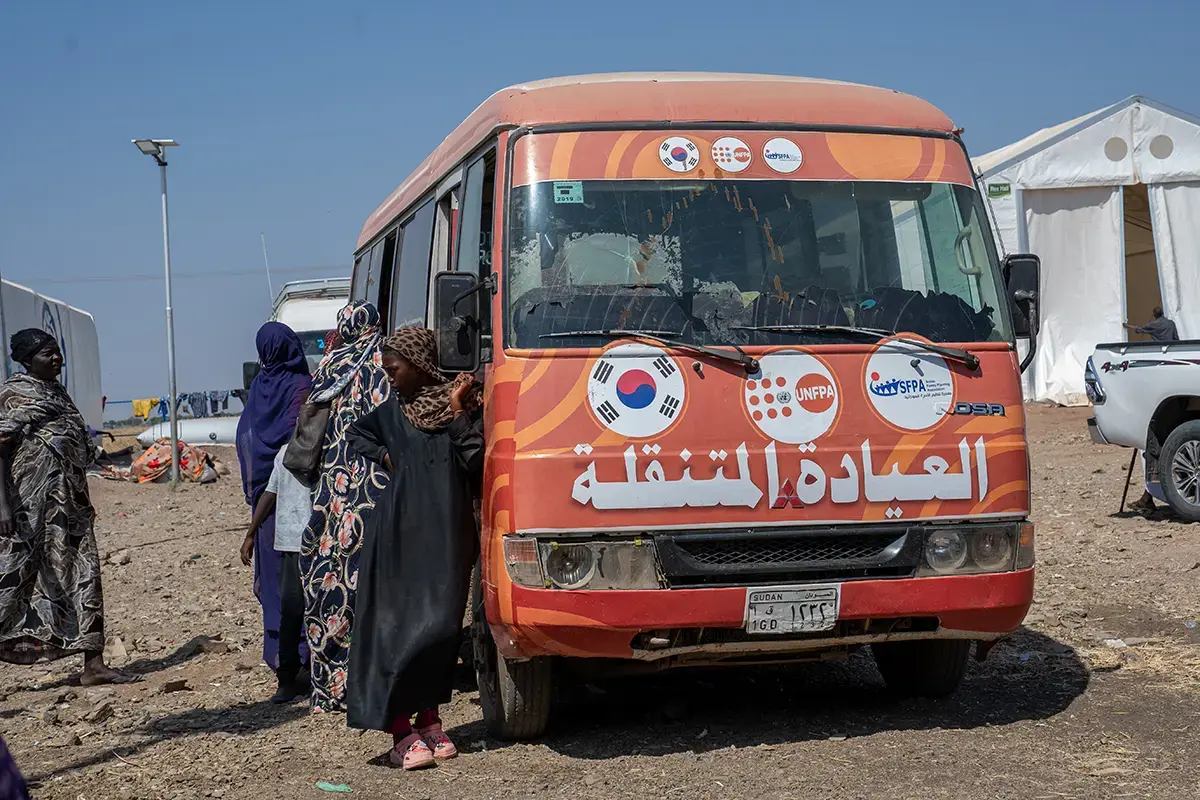
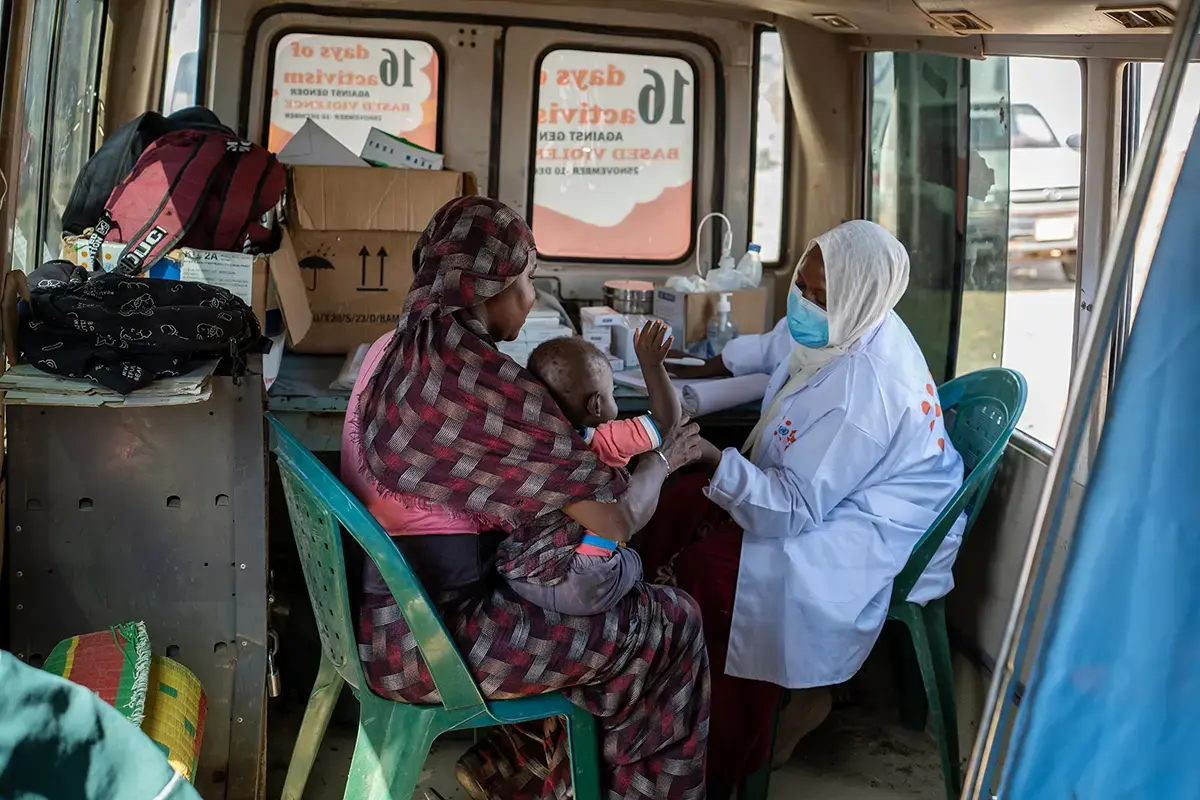
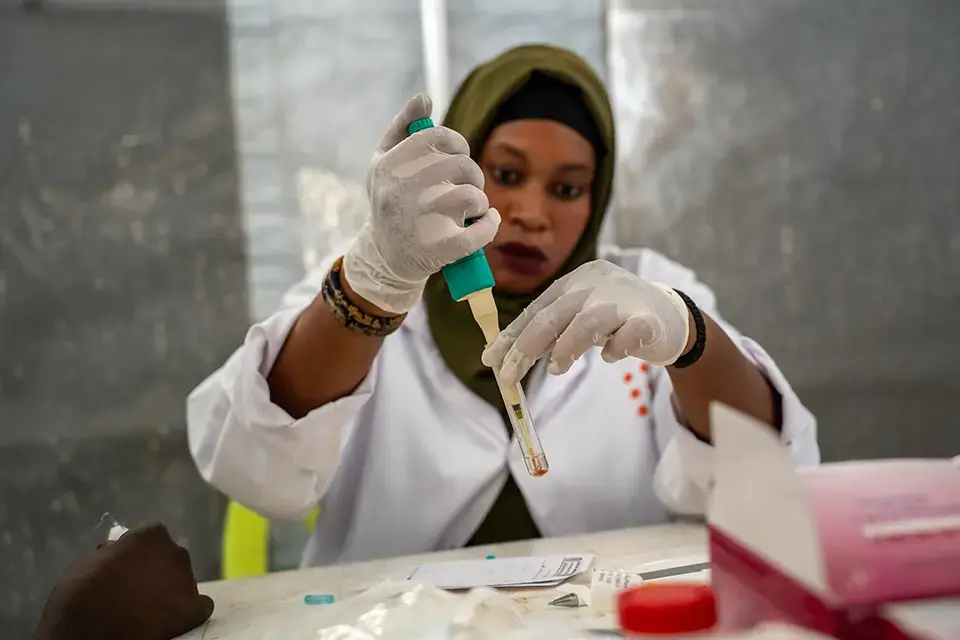
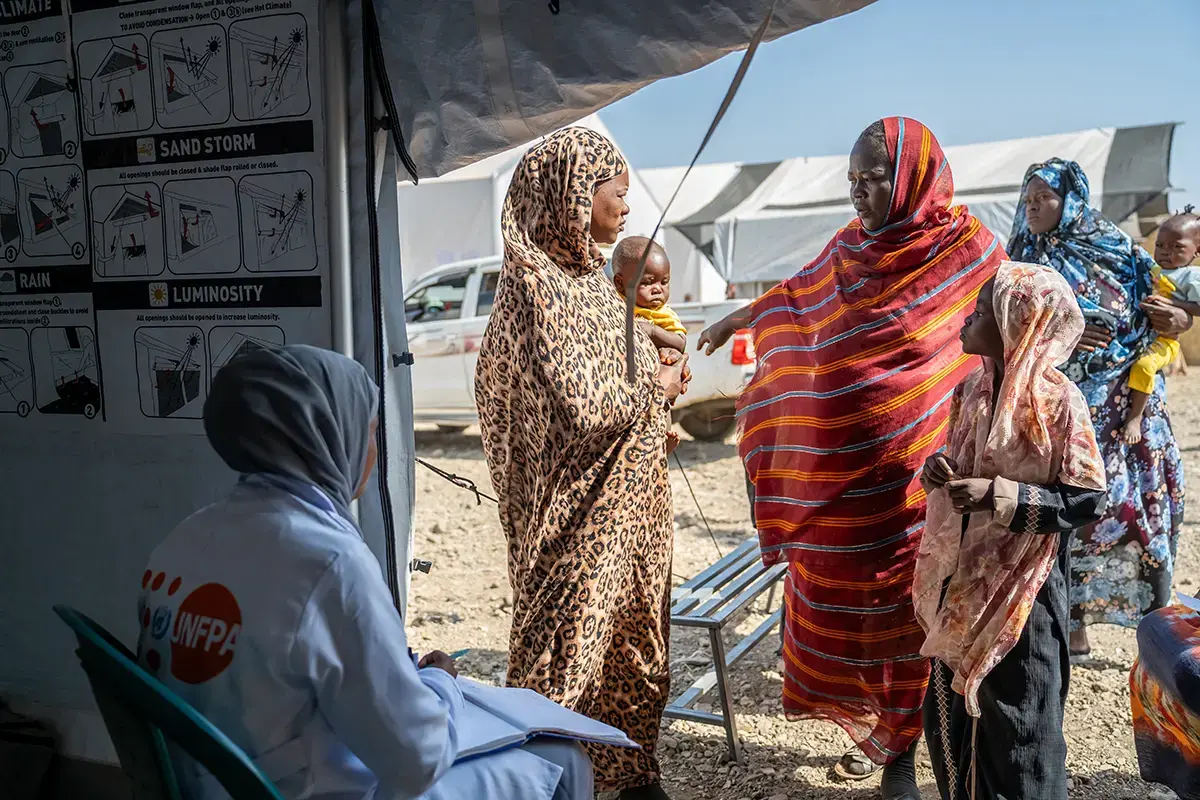
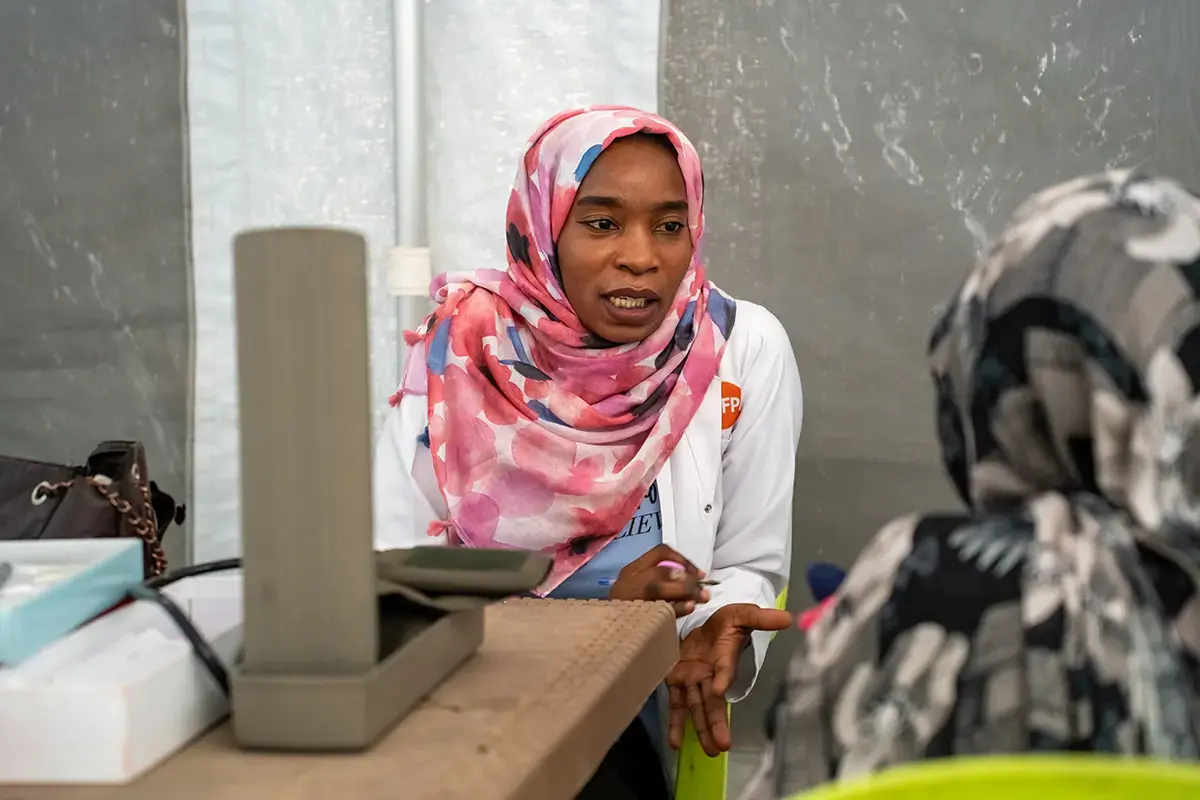
Dr. Rayan Youssef is a general practitioner with the camp's mobile team and is displaced herself. She provides comprehensive reproductive health services and support for survivors of gender-based violence.
“One of the cases that affected me most was a survivor of gender-based violence,” she recalls. “She arrived at the clinic in a very fragile psychological state and had visible physical injuries. With proper medical care and follow-up, her condition improved, and she left the clinic feeling stronger both mentally and emotionally. Healthcare is not only about medication, but also about providing support, safety and dignity.”
Her work is deeply personal: “What makes my work truly meaningful is that I am serving displaced Sudanese people like myself, people from my own community who are living under extremely difficult circumstances.”
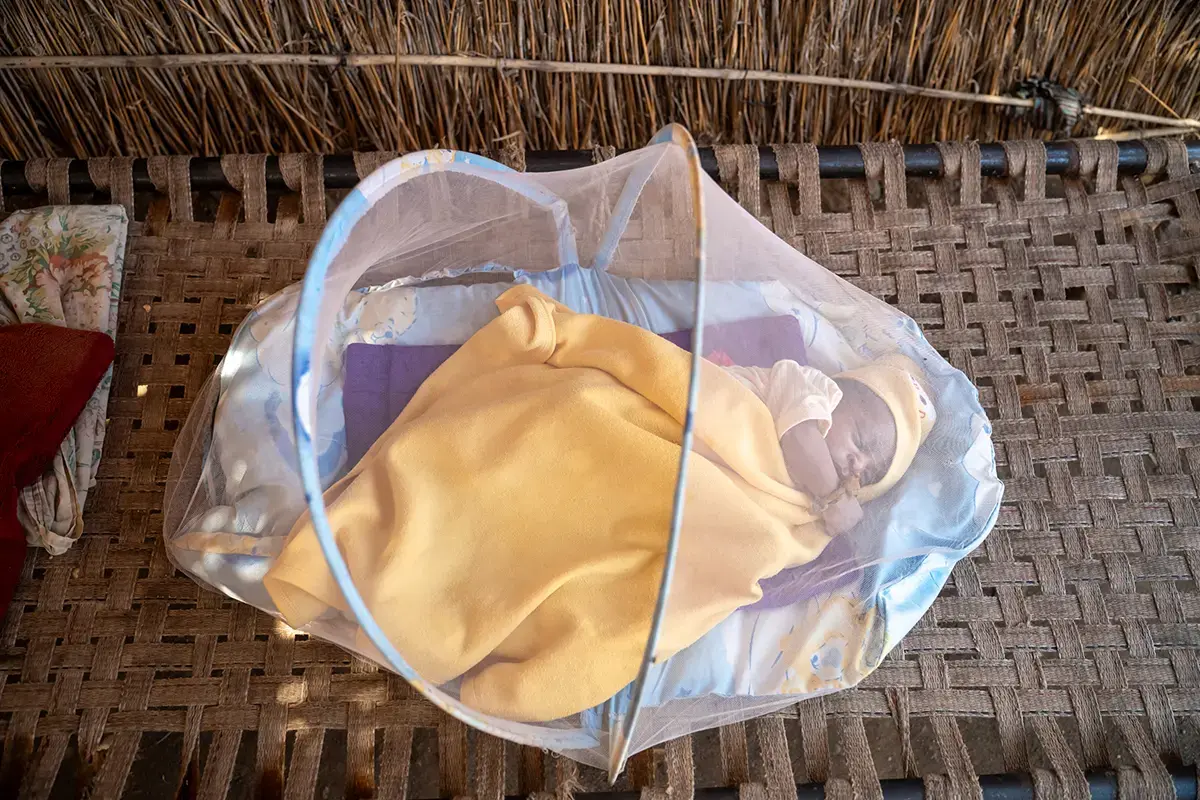
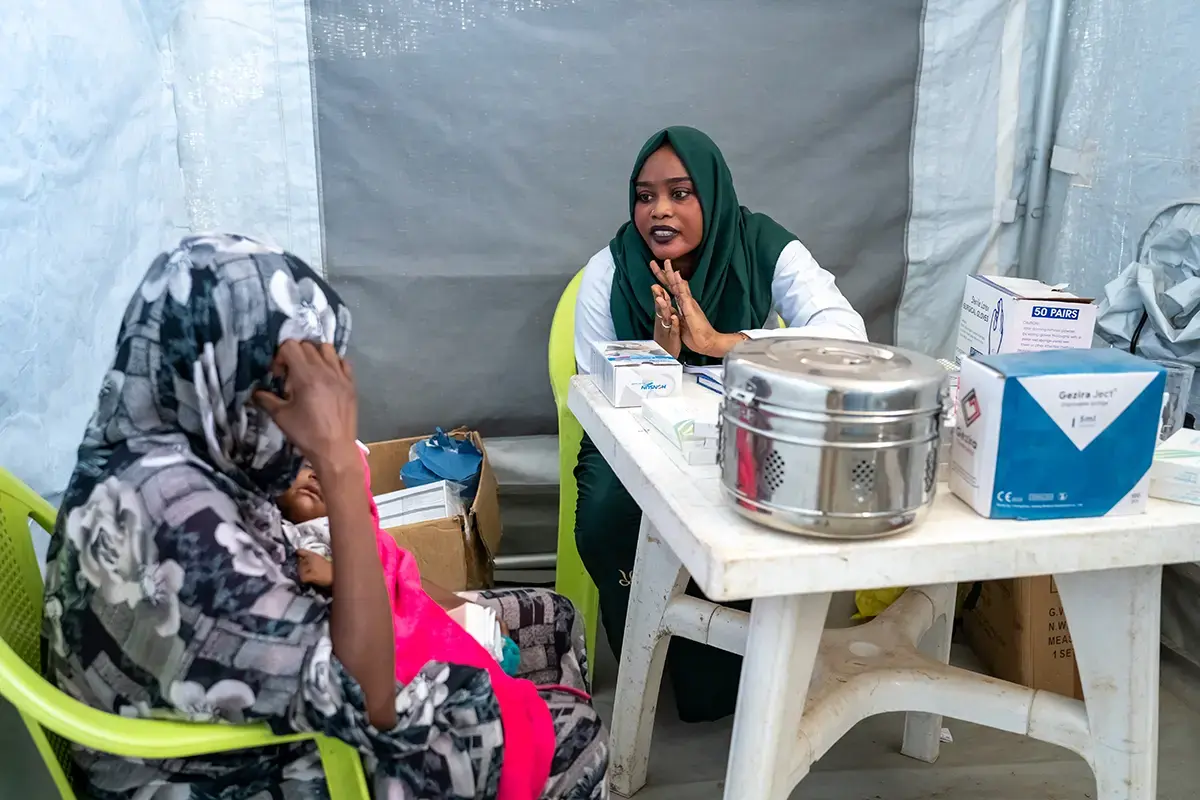
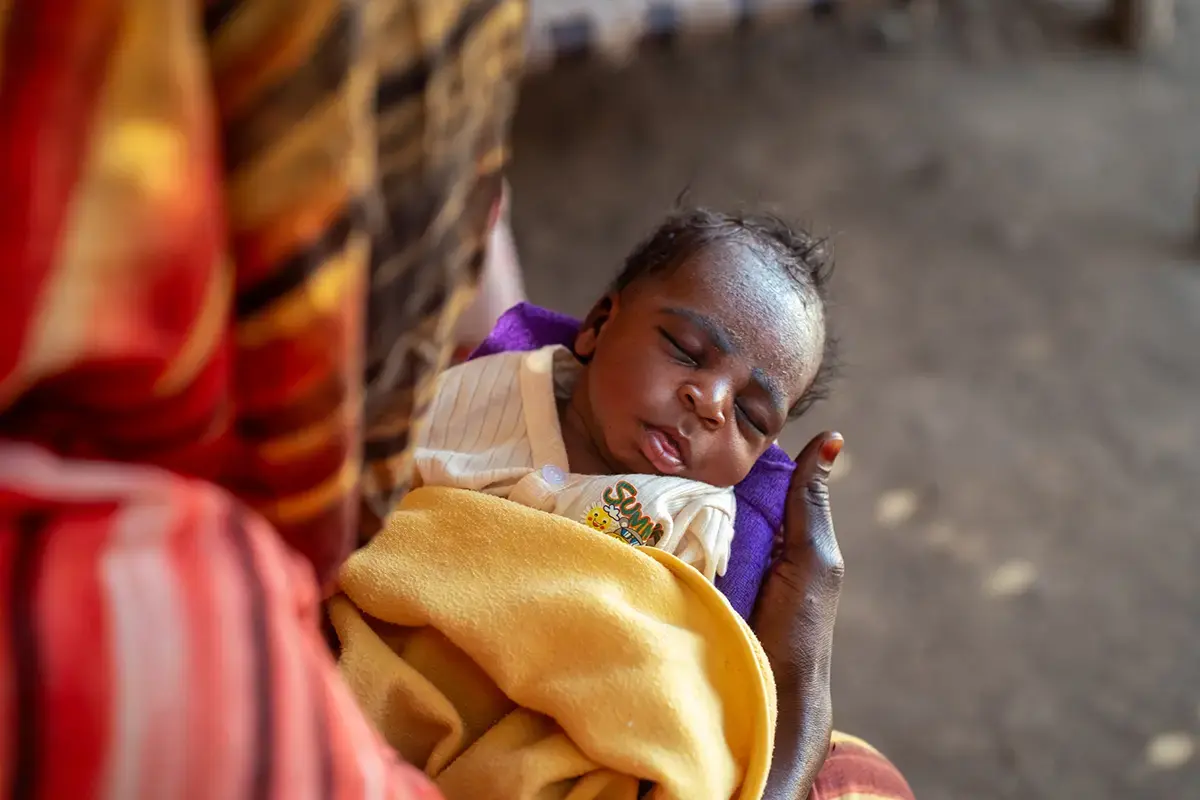
Shaimaa Ahmed, an assistant midwife with the mobile team, points out the importance of having health services that are free and available within the camp, as many pregnant women otherwise would not be able to access prenatal care.
“The presence of a midwife inside the camp makes a significant difference,” she notes. “Without a midwife, there is often no skilled support during childbirth, such as cutting the umbilical cord properly or managing complications like bleeding. Post-partum haemorrhage can be life-threatening, and without a trained midwife, the risk is much higher.”
She adds that midwives support women in many ways, before, during and after the birth: “We provide continuous psychosocial support. Follow-up care is not only about treatment – it is also about care, reassurance and emotional support.”
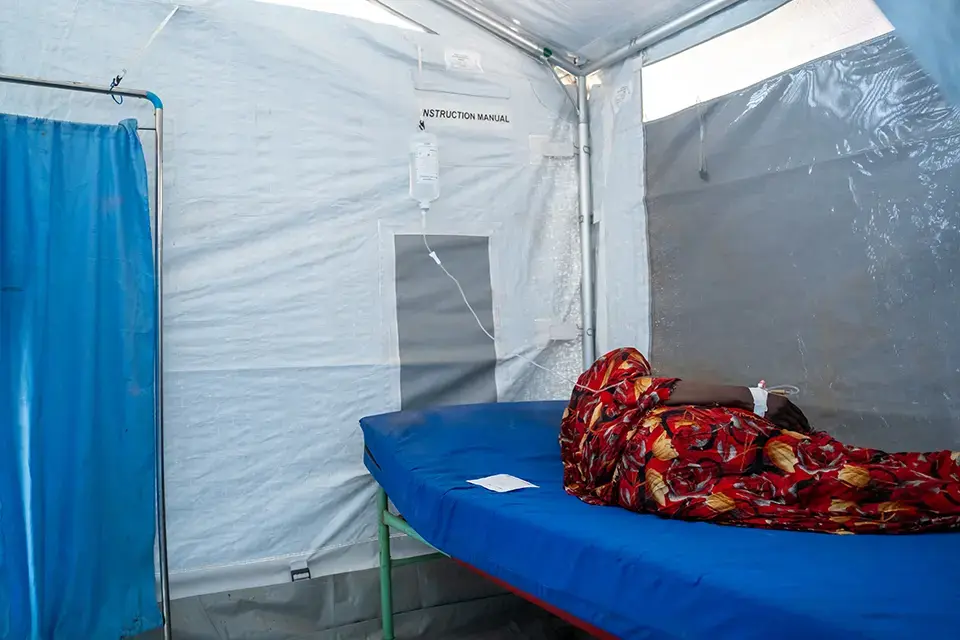
The team is working in incredibly difficult circumstances, often with limited supplies, supporting people who have experienced trauma.
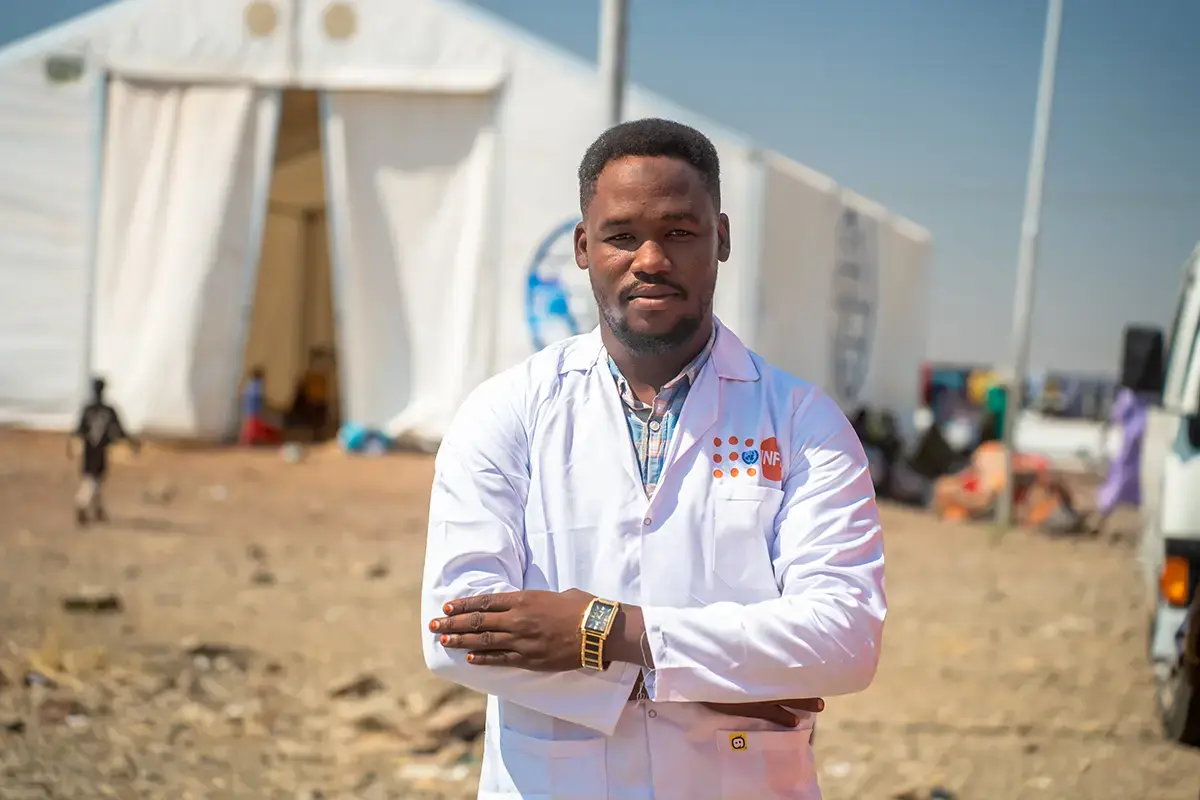
Pharmacist Ismail Al-Zubair says he is concerned about medicine shortages amid the influx of displaced people and disruptions to supplies. “There are many people in need of treatment,” he says. “I feel fulfilled when we can provide medicines and end someone’s suffering. We have suffered from shortages before, and while the situation has improved, supplies remain limited. I hope that all essential medications will become available so we can serve every patient and fully meet their needs.”
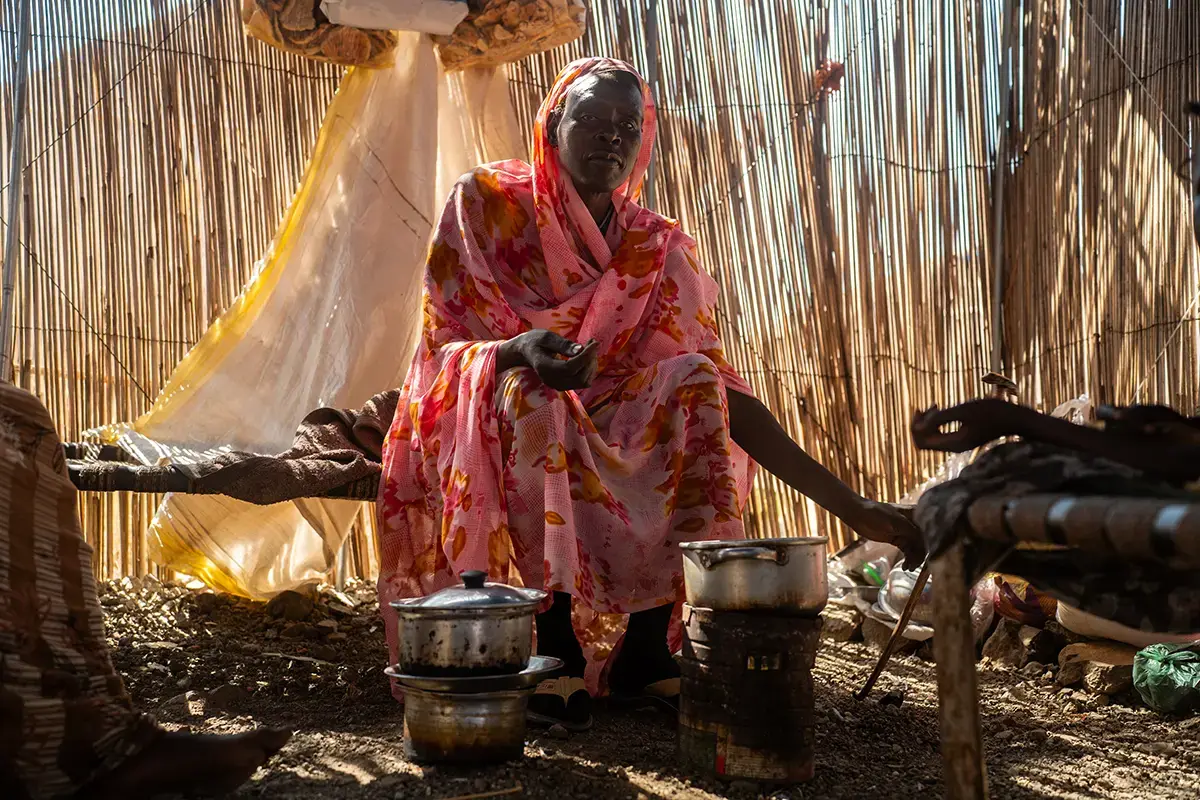
For women like Anna and Mona, this camp will be home for the foreseeable future. Returning home while the current level of violence persists is not an option. “Our houses were destroyed. There is nothing to return to,” Mona says, adding that life in Kadugli was “impossible to endure.”
UNFPA and partners will continue to provide support throughout this protracted crisis and echo the UN Secretary General's call for all parties to respect and protect civilians in Sudan and allow and facilitate unimpeded passage of humanitarian aid.