On the front line of rights
Six women in Georgia standing up for equality
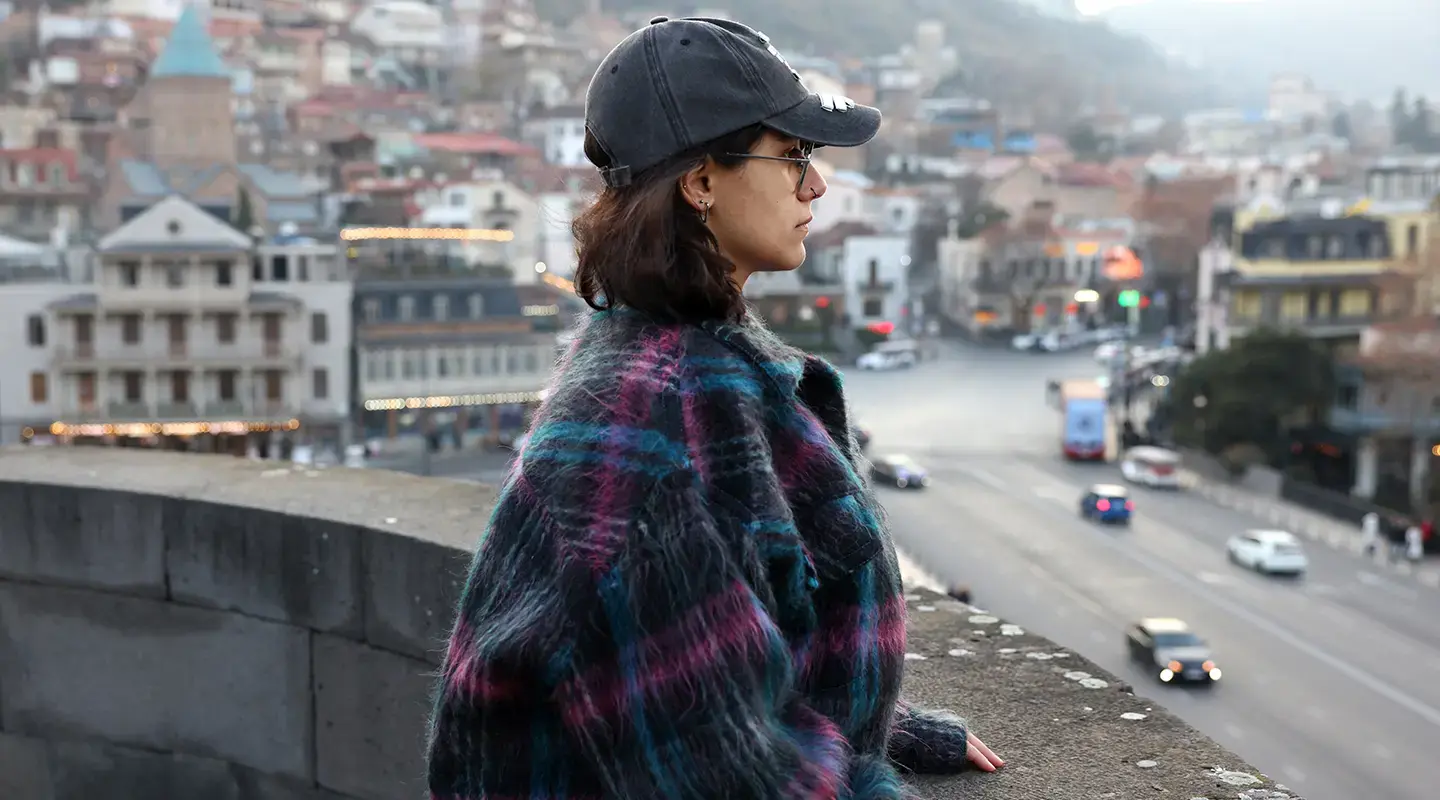
In many places around the world, the space for women, young people and marginalized groups to speak openly about their rights has narrowed in recent years. Conversations about issues like gender-based violence, reproductive choice, sexual abuse and discrimination are increasingly labelled as “sensitive” or “taboo”.
International Women’s Day 2026 calls for action to dismantle the structural barriers to equal justice – from discriminatory laws to weak legal protections, and harmful practices and social norms that erode the rights of women and girls.
Six women in Georgia working for organizations supported by UNFPA, the United Nations Population Fund – which is the UN’s sexual and reproductive rights agency – share their vision for equality and how they are striving towards justice.
Tekla: Creating a wave of hope
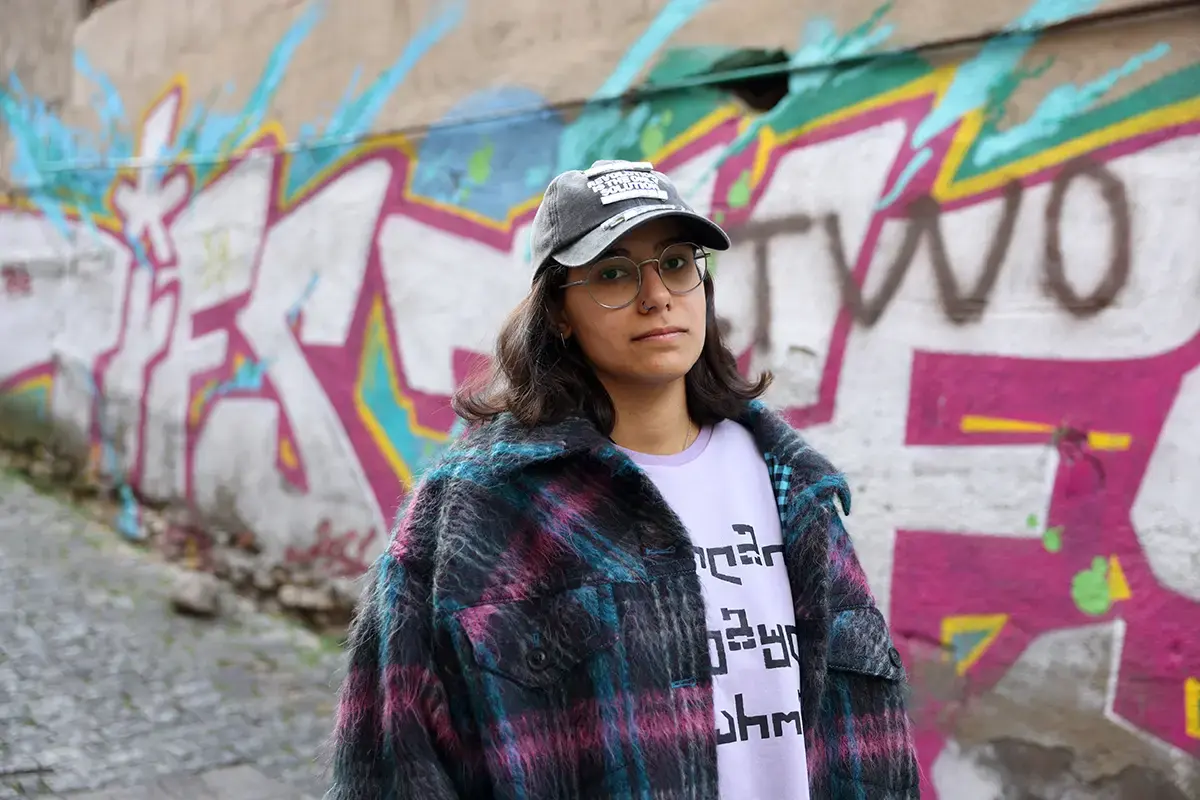
“Why should talking about issues that affect women, youth and LGBTQIA+ people be taboo?,” asks Tekla, who describes herself as a feminist and activist.
Tekla is a founding member of GrlzWave, a platform that aims to challenge harmful norms and confront stigma head-on, through bold digital activism and education. “We found nothing like it, so we are doing it for ourselves and for people like us,” she says.
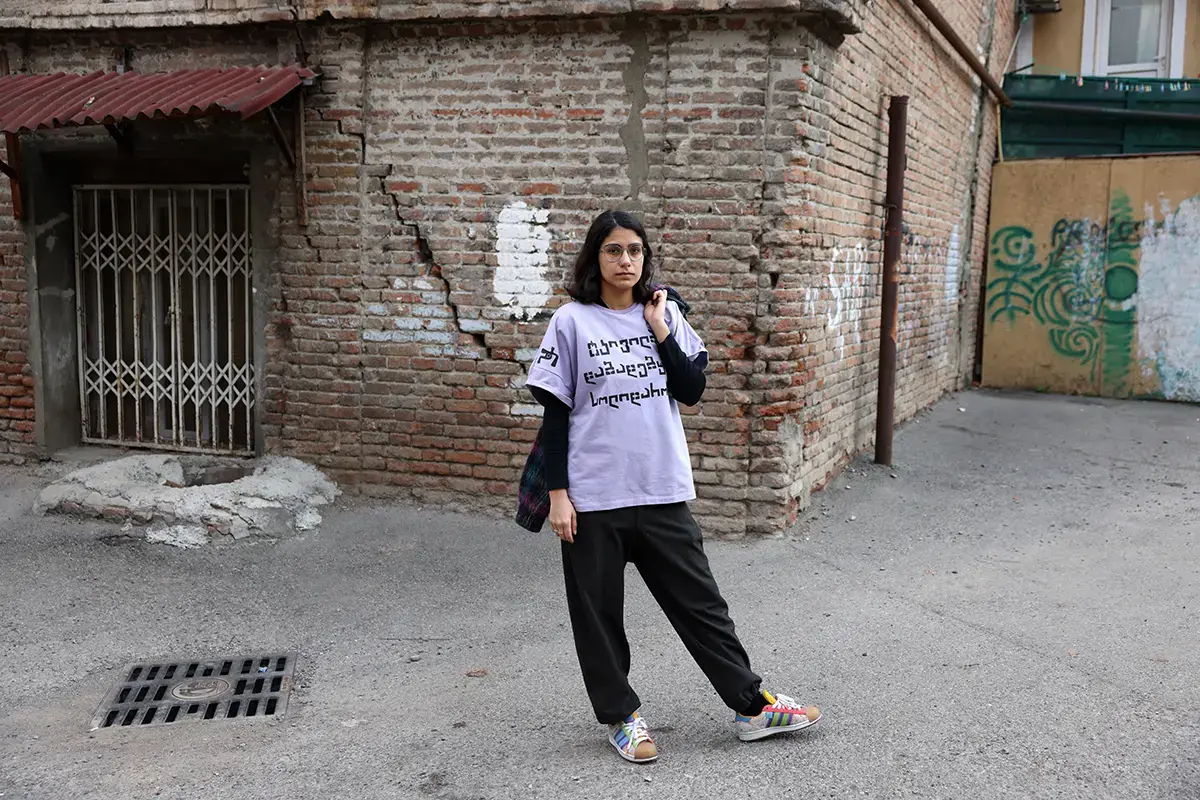
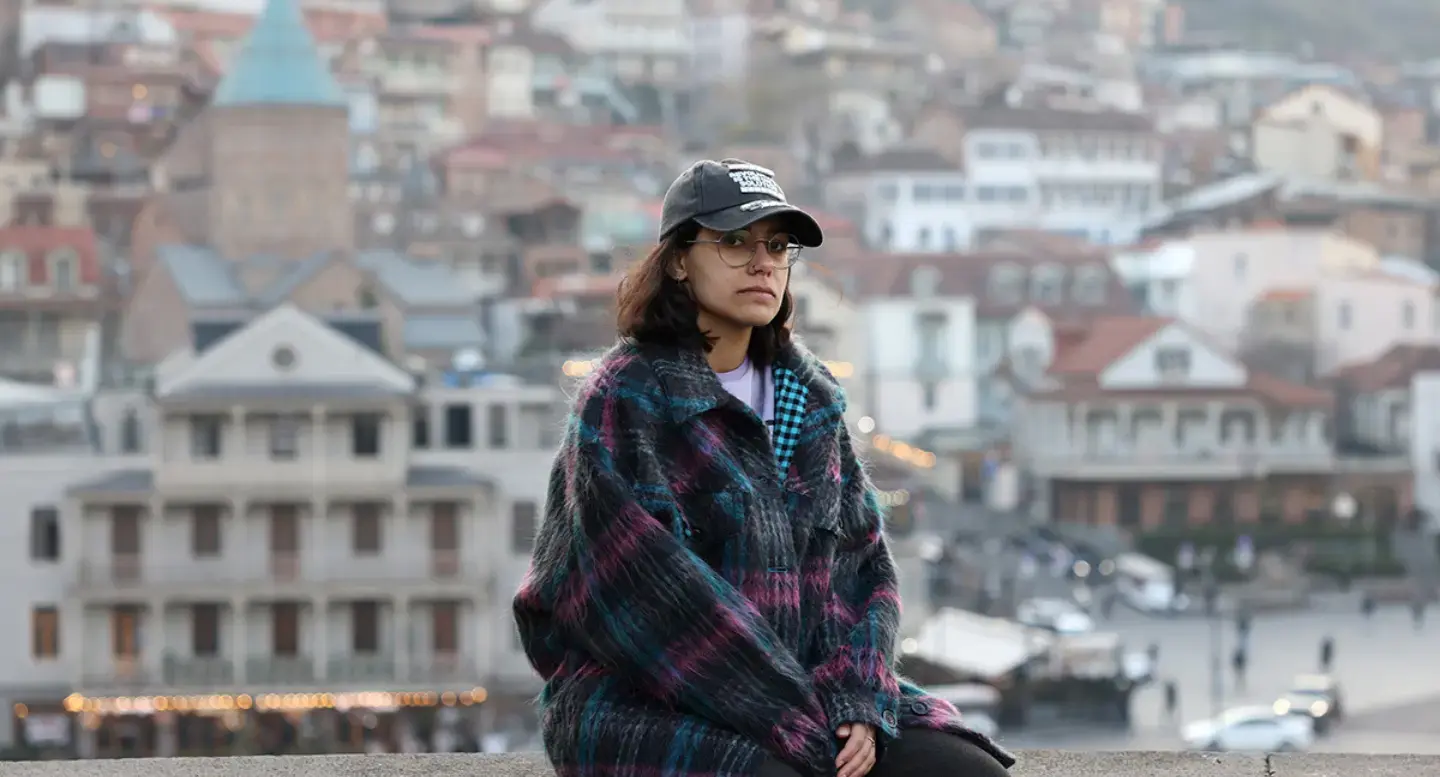
“Even as a child, I saw that girls were treated differently and had fewer opportunities – and I wanted to change this.” – Tekla
Londa: Reimagining rights
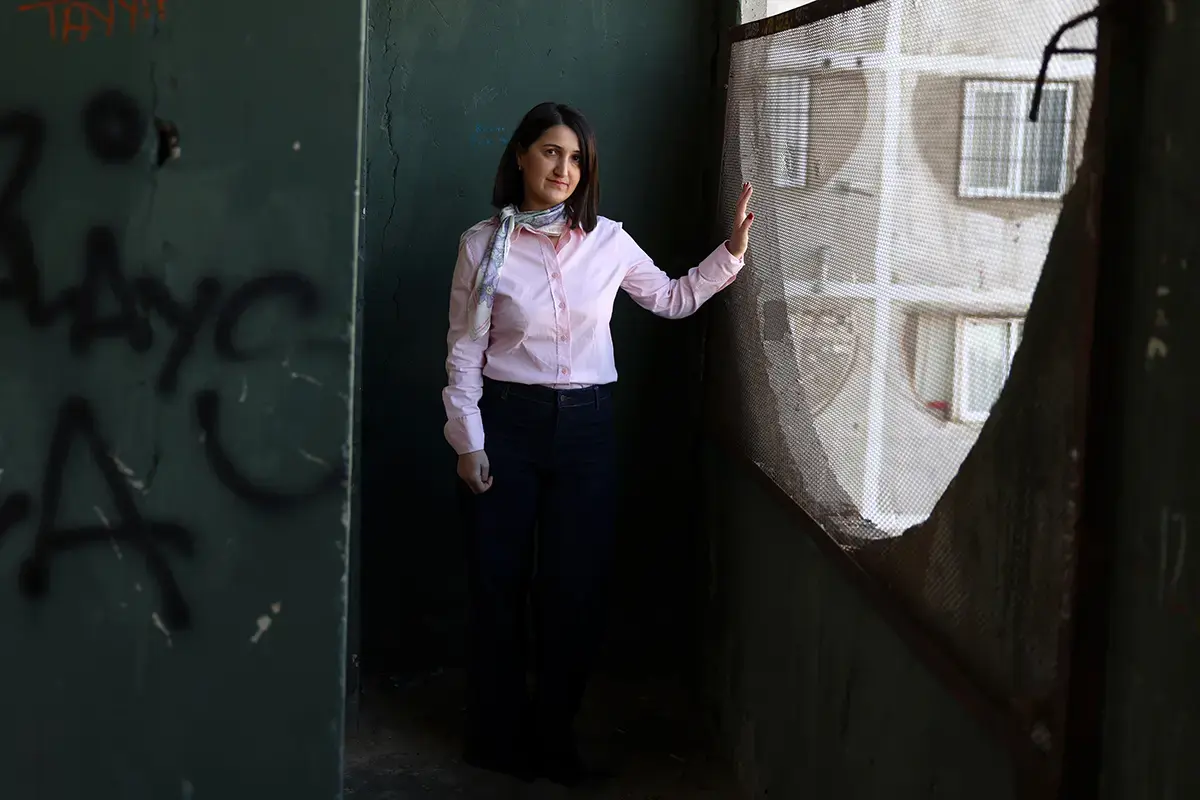
Following an extensive and highly respected career within Georgia’s justice system, Londa established the Rule of Law Centre, a civil society organization that monitors discrimination and human rights abuses. Part of its remit includes assessing emerging risks associated with technology-facilitated gender-based violence and promoting safer online and offline environments.

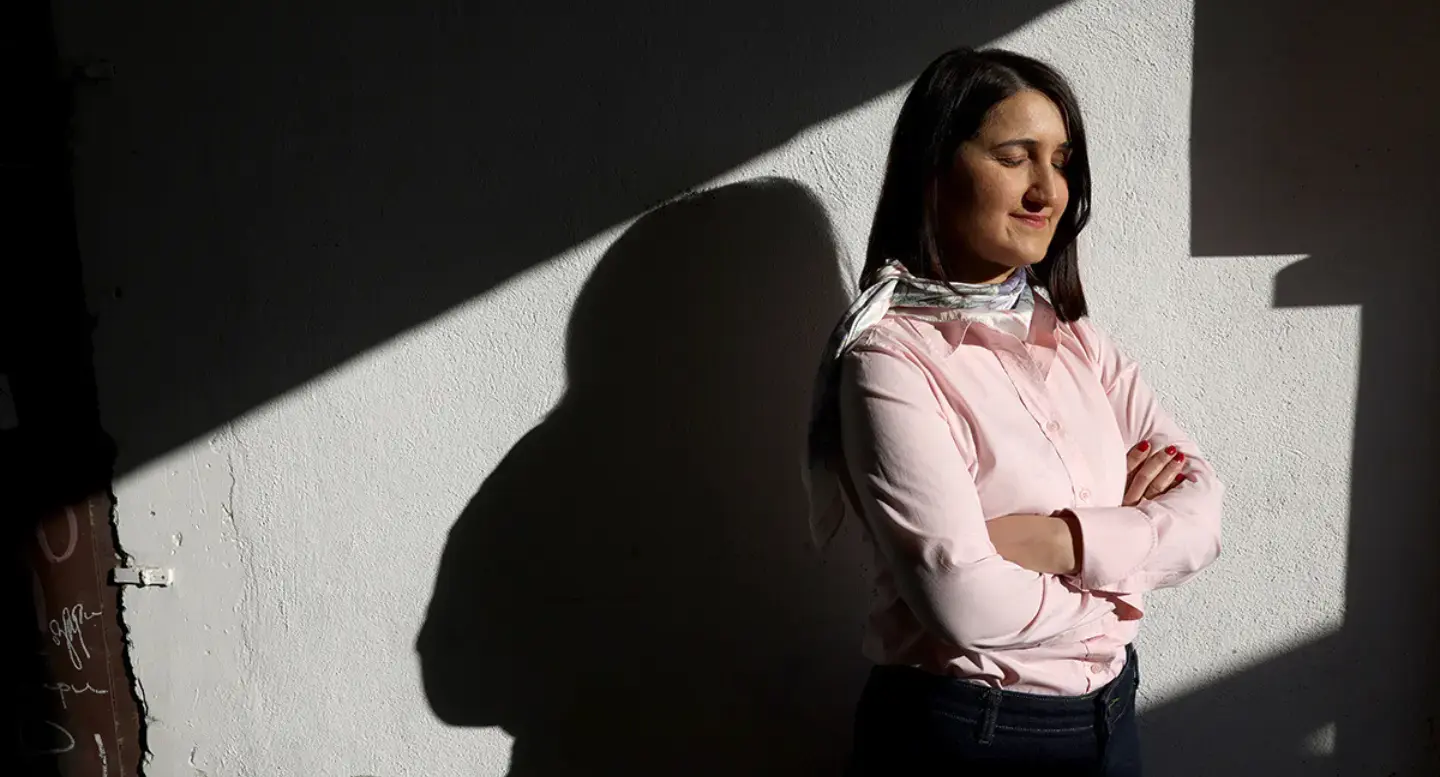
“I believe that, ultimately, we will achieve meaningful change and equality” – Londa
Mari: Fighting crimes “that don’t yet exist”
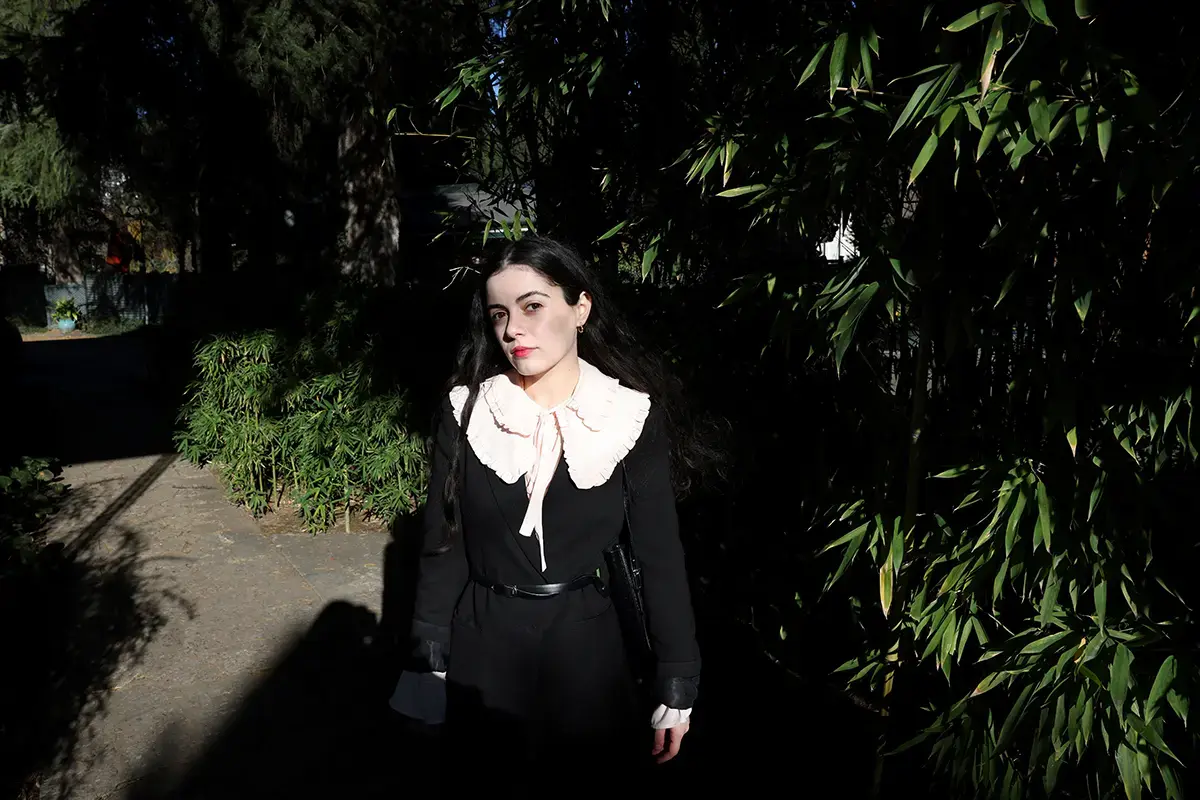
Mari works for Sapari, an organization that offers legal and psychosocial assistance to survivors of gender-based violence. She takes on complex cases of online violence against women and girls. When these cases are successful, it means more forms of online abuse become recognized. It also helps to set legal precedents.
“Cyber violence is illegal under Georgian legislation, but the law is not fully adapted to all cases,” says Mari.


“Fighting for justice is an unquenchable desire. It cannot be restrained.” – Mari
Nato: Heartbreaking work
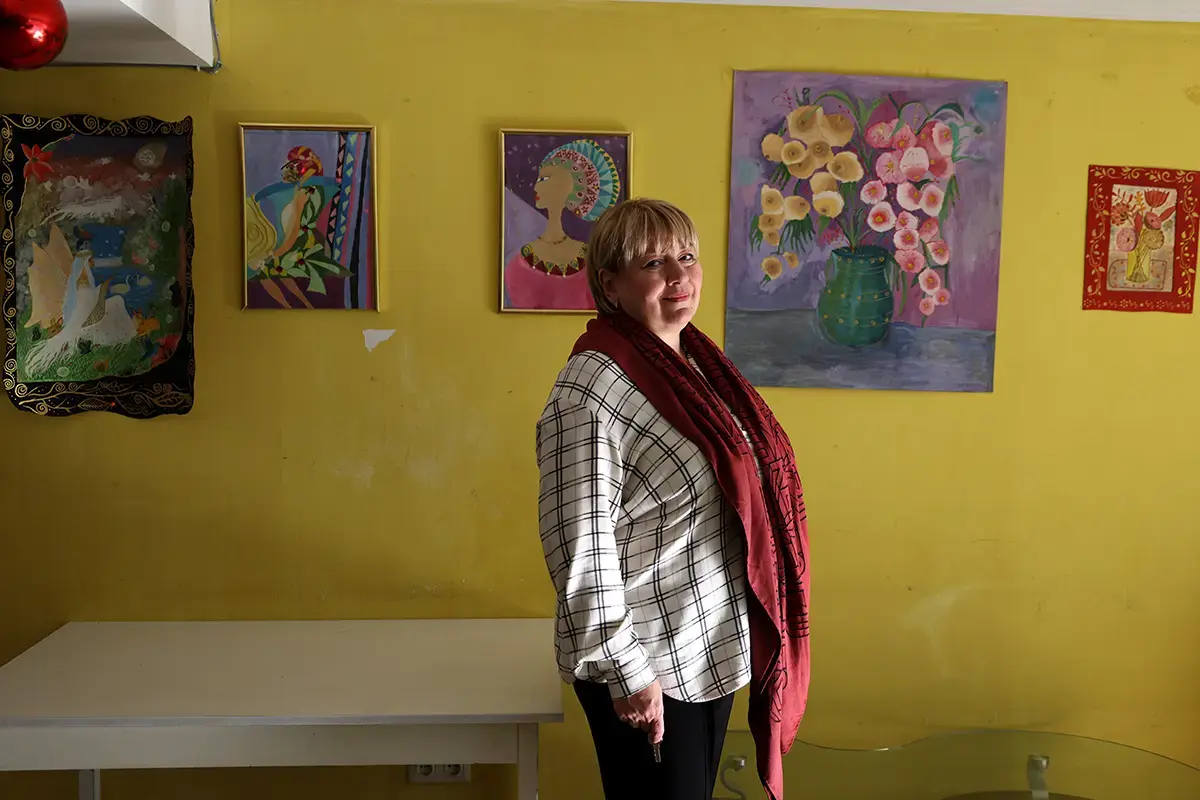
Nato is the co-founder and chairperson of the Anti-Violence Network of Georgia. The network supports survivors of any form of gender-based violence, including women who have been trafficked and women in prison, and runs a residential shelter where women and girls can find safety and start over.
“There is one case I cannot forget and it breaks my heart. A woman was being abused by her husband and wanted a divorce, but her own family refused to take her in. Her mother, father, brother and sister-in-law all thought he was a ‘wonderful’ husband,” says Nato. “Patriarchal attitudes allow for cases like this.”
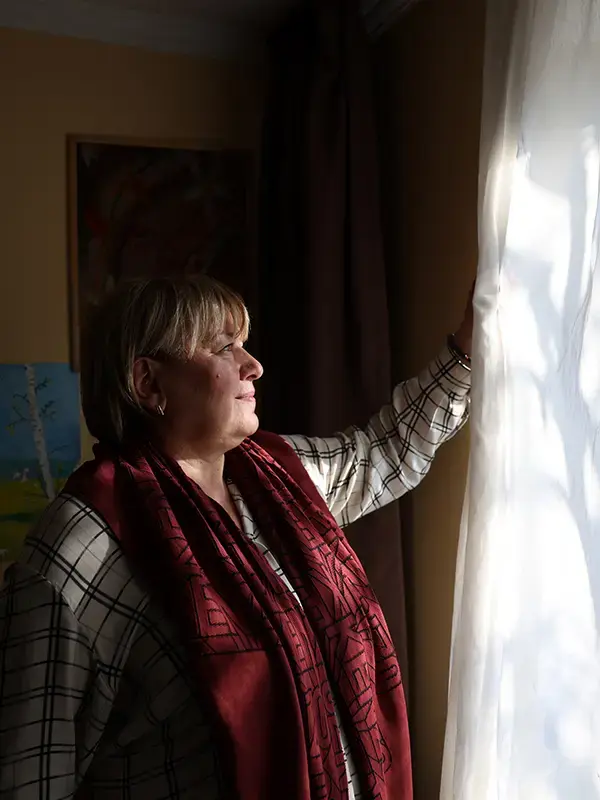
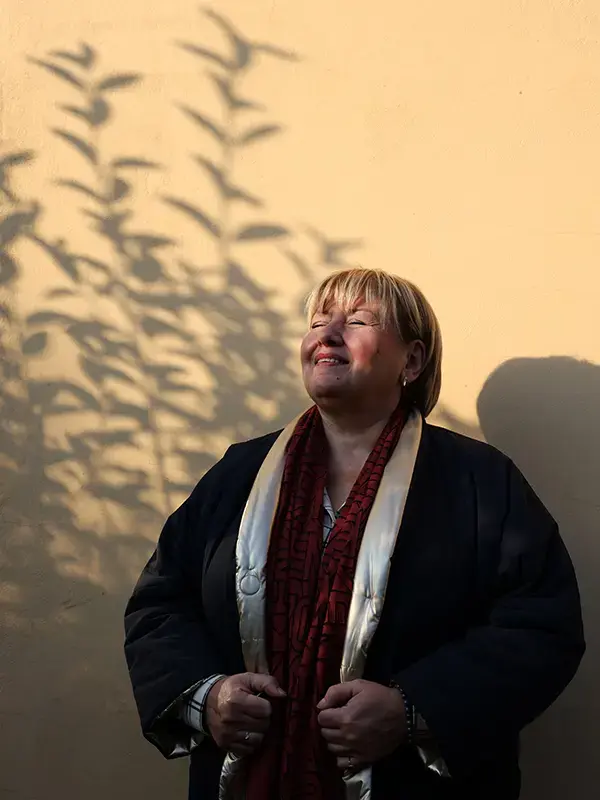
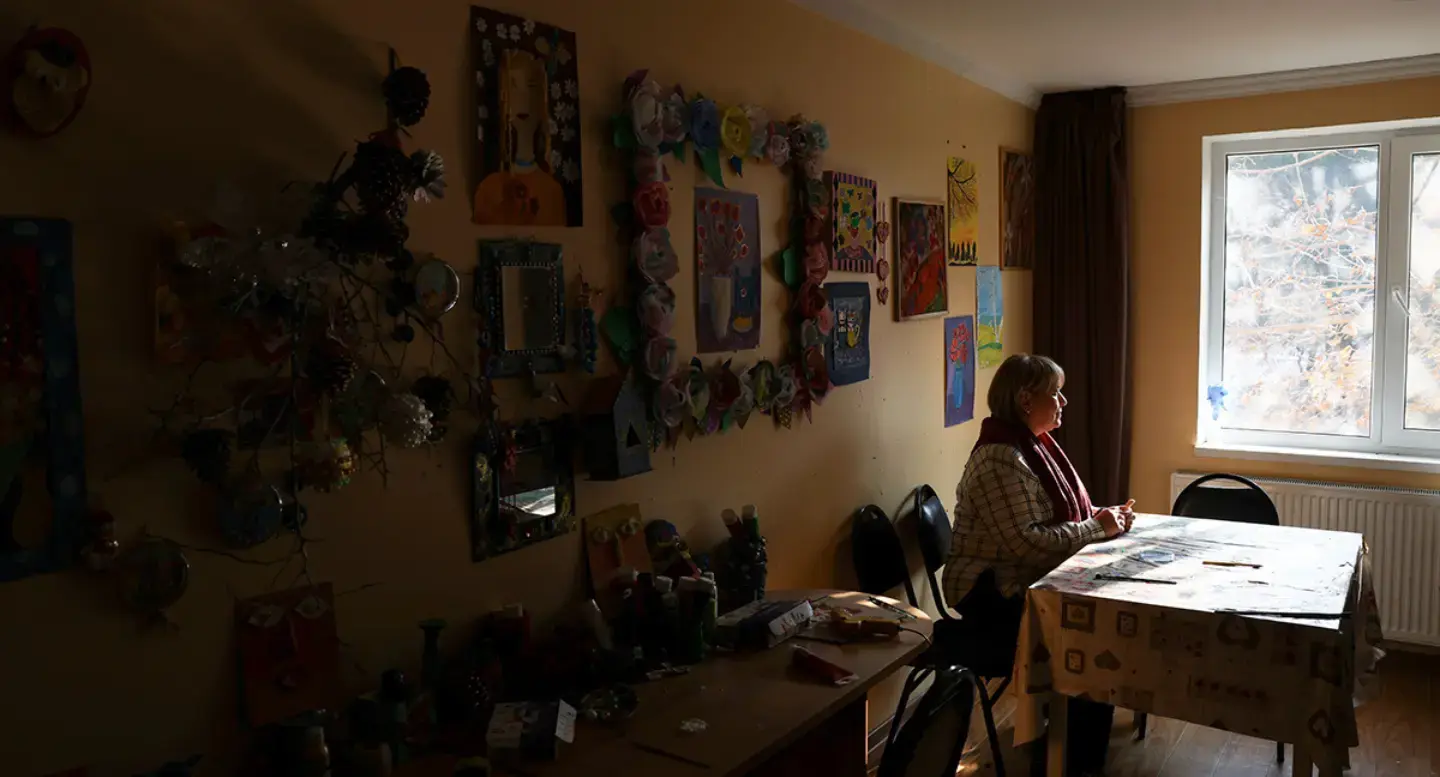
“Thanks to our unrelenting efforts, the lives of several women have been saved” – Nato
Iza: Sparking a shift in power
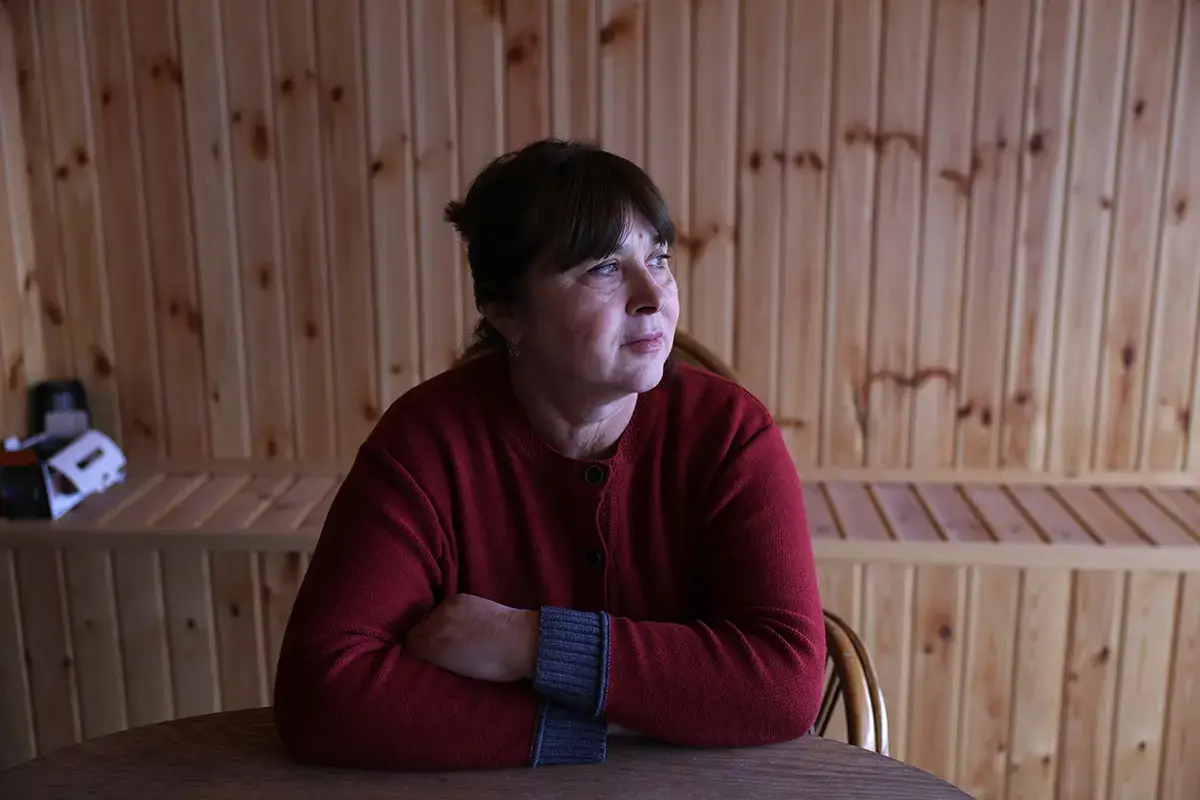
Iza has been challenging entrenched gender norms for more than two decades in the Kakheti region of eastern Georgia, working with both women and men in the community to spark change from within.
Iza began volunteering with women who were refugees fleeing hostilities in Chechnya, a republic of the Russian Federation, in 2002, and in 2008 she founded the Kakheti Regional Development Foundation. “We wanted to provide women with grants to start small businesses, but women did not have property registered in their names,” she explains. “Patriarchal norms such as this meant women had a lack of rights, and this was hindering our work and blocking progress.” Iza set a clear condition: If a husband wanted his wife to access funding, property had to be registered in her name.
Women became co-owners of their homes and land, and the income-generating grants instigated a deeper shift in power.
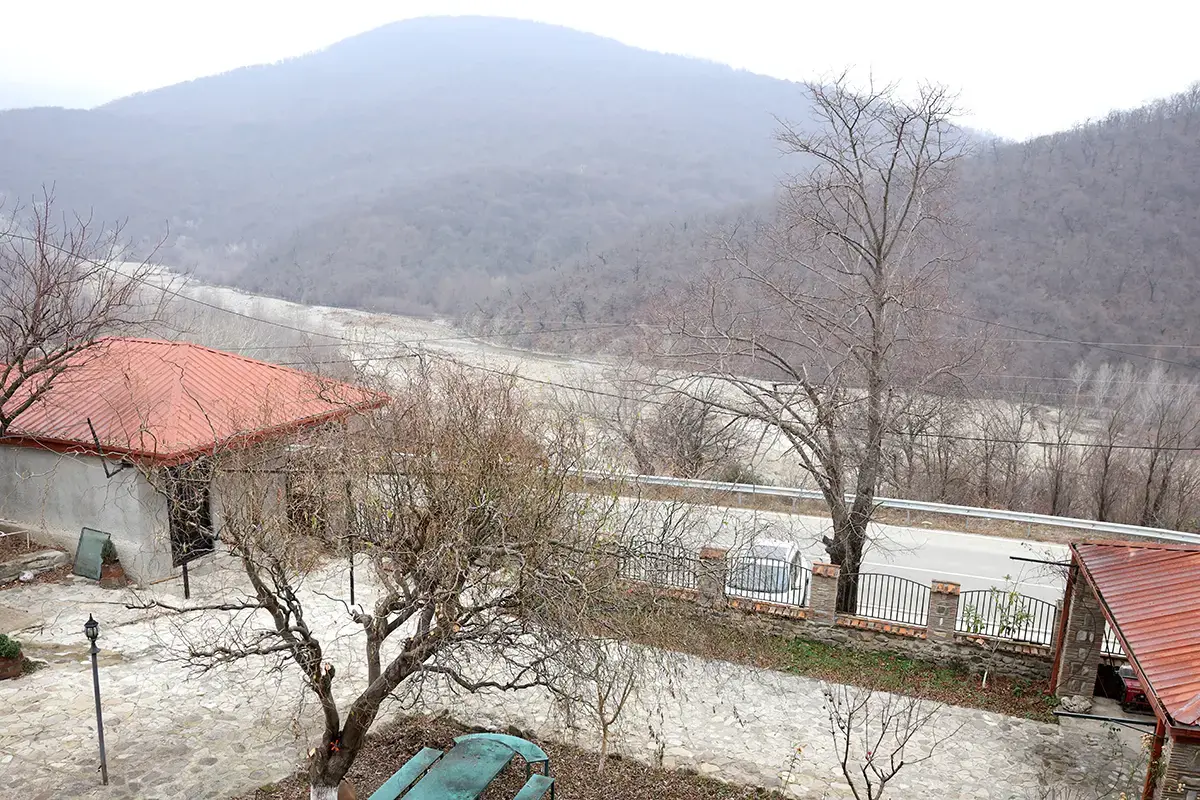
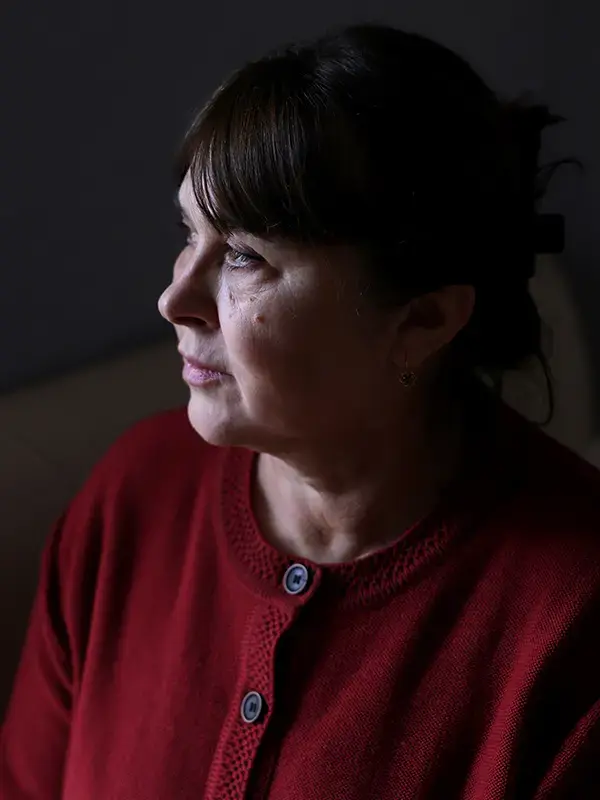
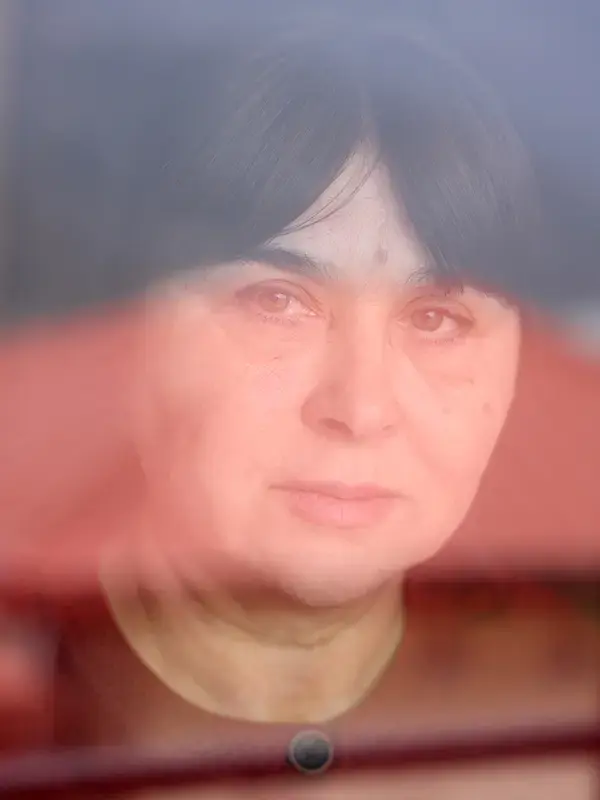
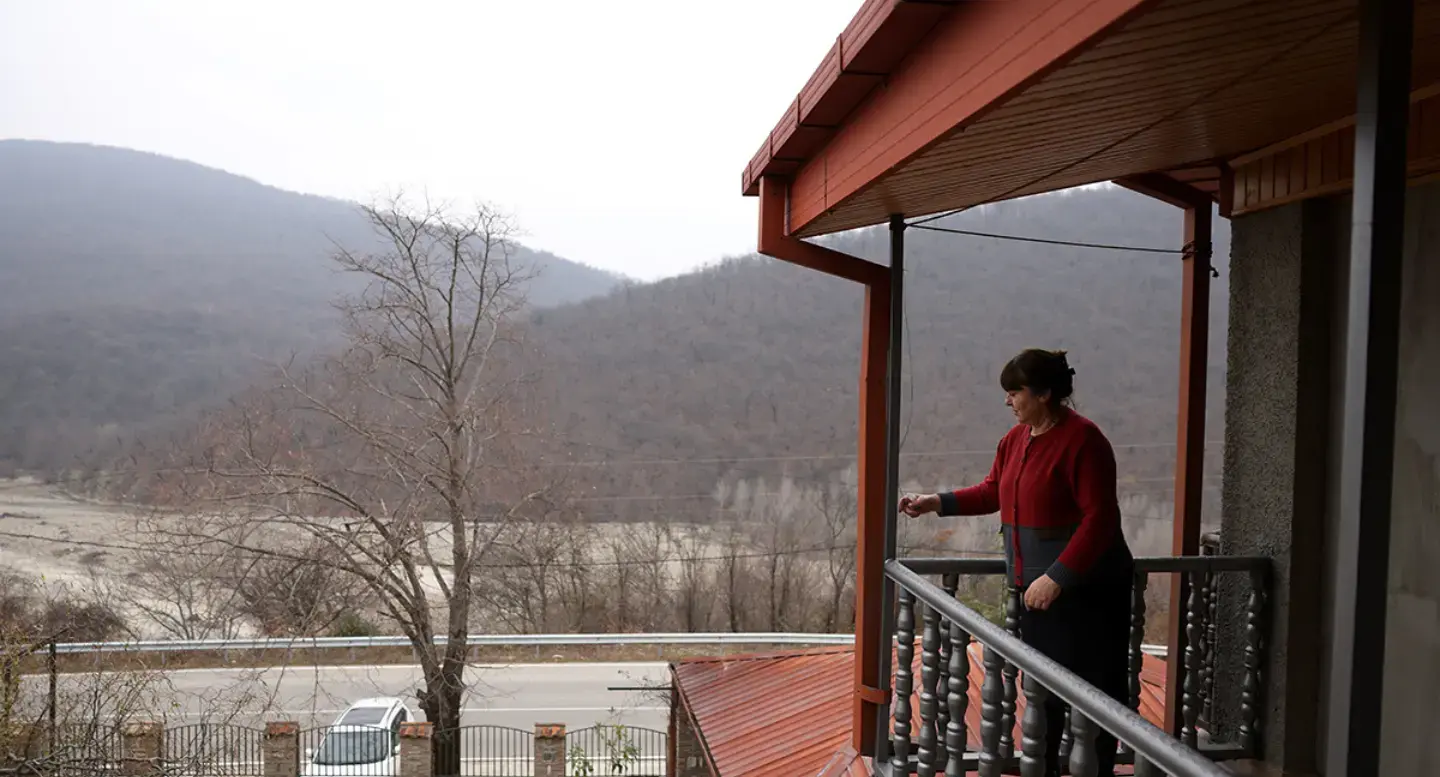
“We work hand-in-hand with men to increase the rights of women. Women’s rights are an issue for everybody." – Iza
Elene: We must not abandon rights – or each other
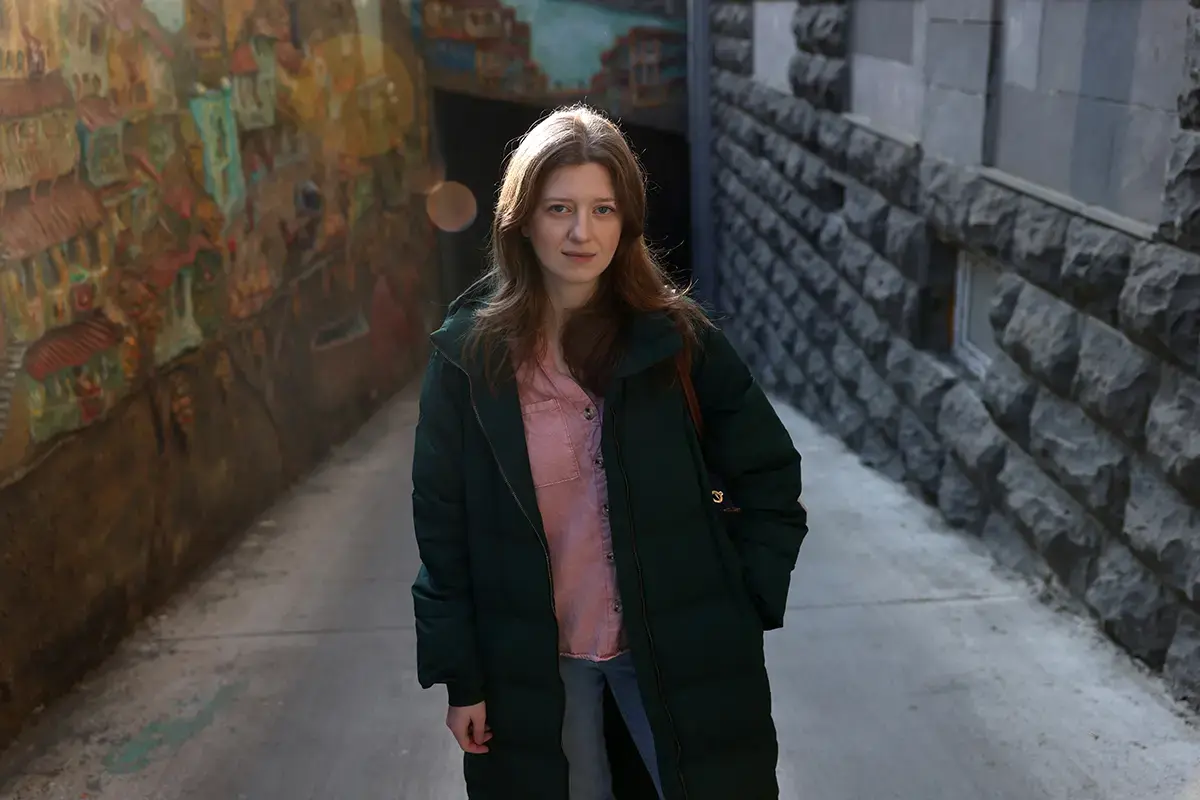
“Solidarity means not abandoning each other in hardship,” says Elene.
A writer and speaker, Elene works with UNFPA platforms in Georgia to ensure people understand women’s rights are the same as human rights, sexual and reproductive rights are recognized, and youth have access to age-appropriate information.
She uses online activism to share knowledge and document rights abuses.
“Human freedom, human rights – these should be core values.” – Elene