In 2026, UNFPA is appealing for $1 billion to deliver life-saving reproductive health and critical gender-based violence prevention services and programmes to 34 million women, girls, and young people across 42 countries.
Share on

Close

2026 Humanitarian Action Overview
Somalia. A young girl smiles while carrying her baby on her hip through Koris IDP camp in Dayniile district, Mogadishu. © UNFPA Somalia/Usame Nur Hussein
A message from the Executive Director
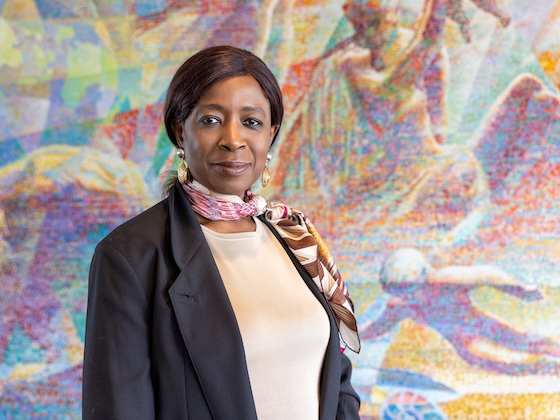
UNFPA Executive Director, Ms. Diene Keita
Amid changes in the humanitarian system, UNFPA is redoubling efforts to safeguard sexual and reproductive health and gender-based violence response as non-negotiable, lifesaving pillars of humanitarian action.
Conflicts are more protracted and more brutal, climate shocks are intensifying, and over 117 million people remain forcibly displaced. Medical facilities, health workers, and patients are routinely attacked; rape as a weapon of war is on the rise, while the perpetrators act with impunity in defiance of international humanitarian law. Women and girls once again are paying the highest price.
Our vision for 2026 is clear. Essential sexual and reproductive health services must be in place from day one. The same applies to survivor-centred gender-based violence services. These are lifesaving interventions. Flexible funding is essential to reach all those in need, from crises out of the headlines to those that dominate the front pages. Local and women-led organizations must be supported as first responders; they know what works, who’s at risk, and how to reach them when no one else can. And we must act earlier: pre-positioning supplies, deploying mobile teams, and activating anticipatory responses so that early warnings lead to early care.

$1 billion
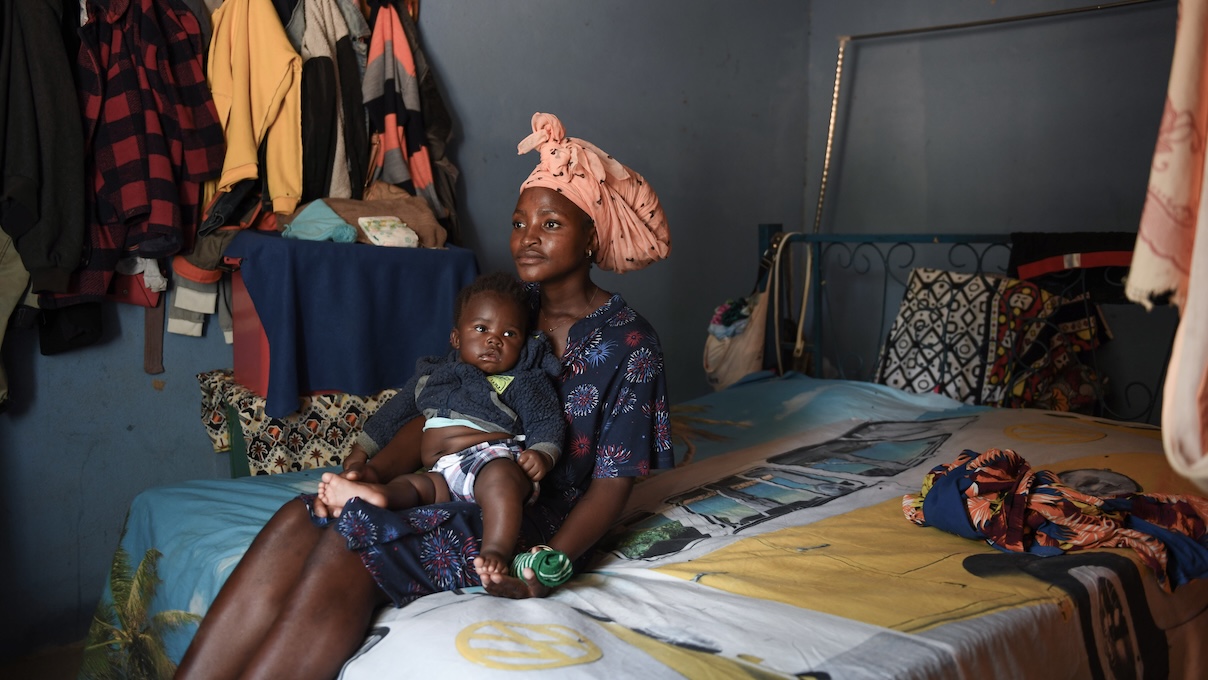
A woman in drought-affected Namibe, Angola, describes giving birth at home because the nearest maternity facility is far, and the burden of carrying water before and after delivery. © Noriko Hayashi
Fully aligned with the Global Humanitarian Overview led by the United Nations Office for the Coordination of Humanitarian Affairs (OCHA), this is a focused and streamlined humanitarian appeal—a reflection not of all that is needed, but of what absolutely cannot be left unfunded. Every figure represents a calculated decision to prioritize the most urgent, lifesaving interventions. Funding this appeal will save and improve lives, and be the true measure of our collective resolve to stand by women, girls and young people in dire need when it matters most.

21 Priority Appeals
-
1. Sudan$116,500,000
-
2. Occupied Palestinian Territory$110,000,000
-
3. Afghanistan$90,000,000
-
4. Yemen$70,000,000
-
5. The Democratic Republic of the Congo$54,900,000
-
6. Ukraine$51,800,000
-
7. Syrian Arab Republic$45,000,000
-
8. Ethiopia$42,100,000
-
9. Haiti$32,800,000
-
10. Lebanon$30,000,000
-
11. Somalia$26,900,000
-
12. Myanmar$26,800,000
-
13. Venezuela$19,500,000
-
14. Bangladesh$19,300,000
-
15. South Sudan$17,900,000
-
16. Chad$17,700,000
-
17. Central African Republic$13,200,000
-
18. Mali$11,600,000
-
19. Mozambique$11,500,000
-
20. Niger$6,000,000
-
21. Burkina Faso$5,000,000
Priority countries are designated through a new system-wide prioritization process led by the Inter-Agency Standing Committee (IASC). Introduced for 2026, this process identifies the crises where coordinated international support is most urgently needed, helping humanitarian agencies focus limited resources on the settings with the greatest life-saving needs.